
 Ethan Cole

Focus on high-quality images to attract potential buyers. Use diverse angles and close-ups to highlight intricate details, such as mechanisms and materials. Ensure the lighting is perfect to showcase the watch’s design clearly.
Optimize your product descriptions with specific terminology to appeal to enthusiasts. Include details about the brand, model, craftsmanship, and any unique features that distinguish the item, as well as its history or origin, to add value.
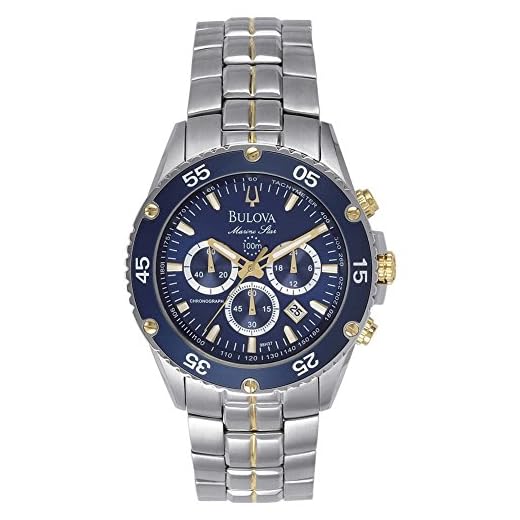

Utilize social media platforms to create buzz around your merchandise. Engage with prospective clients through visually appealing posts and informative stories. Consider partnering with influencers who resonate with your target audience for enhanced visibility.
Offer competitive pricing based on market research. Analyze similar products to find a price point that attracts buyers while still ensuring a healthy margin. Keep an eye on promotions and seasonal sales to drive traffic and increase conversion rates.
Strategies for Online Timepiece Commerce
High-quality visuals are non-negotiable. Clear, well-lit photographs from multiple angles enhance appeal. Consider including close-ups of intricate details, such as the watch face and clasp, and images showcasing the product in various settings.
Merging elegance with functionality in descriptions can significantly boost interest. Incorporate relevant details–material specifications, movement type, and special features. Utilize engaging language to describe the craftsmanship and design aesthetics without drifting into fluff.
Engagement through social platforms is advantageous. Active presence on channels like Instagram and Pinterest can create a visual narrative. Encourage followers to share their experiences with your products, establishing a sense of community and trust.
Targeted advertising via Google and Facebook can reach specific demographics effectively. Utilize analytics tools to refine your approach and tailor campaigns based on consumer behavior and interests.
Develop compelling content that educates potential buyers. Blog posts or videos focused on maintenance tips and stylistic trends can engage an audience while positioning your brand as an authority in the market.
Customer reviews play a pivotal role in influencing purchasing decisions. Encourage past buyers to leave feedback, and showcase positive testimonials prominently on your platform.
Ensure a seamless checkout process by offering multiple payment options. Clarity on shipping times and return policies instills confidence, making the purchasing experience smoother for consumers.
Choosing the Right Platform for Your Watch Sales
Selecting an appropriate venue for your timepiece transactions is critical. Consider platforms that cater specifically to luxury items, such as Chrono24 and WatchBox, which attract serious collectors and enthusiasts. These sites often carry dedicated features designed for high-value transactions, ensuring a secure environment for both buyers and sellers.
Create a presence on social media platforms like Instagram and Facebook Marketplace. Utilize visually appealing content to draw in potential customers. Engaging stories and lifestyle posts surrounding the use of your items can greatly enhance visibility and desirability.
Evaluate e-commerce platforms such as Etsy or eBay, which offer extensive reach. These sites allow you to tap into diverse markets. It’s essential to optimize your listing with quality images, detailed descriptions, and strategic keywords to improve searchability.
Consider luxury consignment shops that operate both online and in physical locations. They can provide valuable exposure while handling payment logistics, allowing you to focus on sourcing new pieces.
Research each platform’s fees, user demographics, and customer service. It’s vital to ensure that the platform’s audience aligns with your target consumer profile. Analyze reviews and testimonials to gauge user experience and overall reliability.
Finally, always prioritize platforms that provide comprehensive security measures to protect financial transactions and personal information. A trustworthy platform builds confidence and fosters repeat business.
Creating Standout Listings with High-Quality Images
Focus on capturing sharp, high-resolution images to highlight features and details of the timepieces. Use natural light for soft shadows and vibrant colors to present an authentic view. Avoid cluttered backgrounds; opt for simple settings that enhance the product. A plain white or neutral backdrop can provide a clean and professional appearance, ensuring the item remains the focal point.
Multiple Angles and Close-Ups
Include a variety of angles–front, back, and sides–to give a comprehensive view. Close-up shots should emphasize important elements like the watch face, texture, and any unique craftsmanship or branding. This not only piques interest but also builds buyer confidence in the integrity of the product.
In-Use Lifestyle Images
Incorporate lifestyle images that depict the watch in use. Showcasing the item being worn or styled enhances relatability and allows potential buyers to envision how it fits into their lifestyle. Pair these shots with descriptive captions that convey the watch’s versatility. Strive for authenticity by featuring it in everyday settings, which can create a stronger emotional connection with your audience.
Understanding Pricing Strategies for Different Watch Models
Assess the market demand for specific types of timepieces. Research recent sales to determine a baseline for pricing. For example, luxury brands like Rolex might hold their value exceptionally well, while fashion labels may depreciate faster.
Utilize different pricing models based on the watch’s features:
| Feature | Pricing Strategy | Example Models |
|---|---|---|
| Luxury | Premium pricing strategy due to high demand and brand prestige. | Rolex Submariner, Audemars Piguet Royal Oak |
| Mid-Range | Competitive pricing strategy to attract buyers looking for quality without a hefty price tag. | Seiko Prospex, Tissot PRX |
| Budget | Penetration pricing strategy to quickly attract price-sensitive customers. | Casio G-Shock, Timex Weekender |
Consider the condition of the item, especially for pre-owned pieces. Include details on any flaws or maintenance history to justify your price.
Monitor competitors regularly to ensure pricing remains attractive. Adjust your strategies based on trends and seasonal sales.
Implement a psychological pricing approach – for example, pricing at $199 instead of $200 can make a notable difference in buyer perception.
Combine promotional strategies such as limited-time offers or bundling products to enhance perceived value and boost sales.
Marketing Your Timepieces Through Social Media and Ads
Utilize platforms like Instagram and Facebook to showcase your timepieces. High-quality visuals are key; invest in professional photography to capture the details and craftsmanship of each piece. Create engaging content featuring lifestyle shots that resonate with your target audience, demonstrating how your products fit into their lives.
Targeted Advertising Strategies
Implement targeted ads using demographic data to reach potential buyers. Consider interests, age, location, and purchasing behavior when creating ad campaigns. Use A/B testing to refine your ads based on performance metrics, focusing on conversions and engagement rates to determine effective messaging.
Building a Community
Engage with your audience by responding to comments and messages promptly. Leverage user-generated content by encouraging customers to share their experiences wearing your timepieces. Running contests or giveaways can also enhance community involvement and increase brand visibility, creating a loyal customer base.
Collaborate with influencers who align with your brand values to extend reach. Influencers can provide authentic endorsements that resonate with their followers, driving traffic to your sales platforms while adding credibility to your offerings.
Providing Excellent Customer Service Throughout the Process
Make responsiveness a priority. Aim to reply to inquiries within a few hours, ensuring potential buyers feel valued and prioritized.
Offer multiple channels for communication, such as email, live chat, and social media. This variety allows customers to choose their preferred method of contact.
Ensure product knowledge is comprehensive among your team. Familiarize them with specifications, materials, and unique features to provide accurate information.
Consider a robust FAQ section on your site that addresses common concerns about shipping, returns, and care instructions. This reduces customer effort in searching for answers.
- Implement a satisfaction guarantee to reassure customers about their purchases.
- Maintain transparency regarding shipping times and costs. Provide tracking information as soon as orders are shipped.
Follow up with customers post-purchase to gather feedback. This demonstrates care for their experience and can offer insights into areas for improvement.
Encourage reviews and testimonials. Positive comments build trust with new customers and enhance credibility in the marketplace.
Be prepared to handle returns or exchanges smoothly. Clearly outline your policy upfront and streamline the process to minimize inconvenience for the client.
Offer personalized recommendations based on past purchases. This adds a personal touch and encourages repeat business.
Continuously evaluate customer service processes. Use metrics like response time, customer satisfaction scores, and return rates to identify opportunities for enhancement.
Handling Shipping and Returns for Timepiece Sales
Implement a reliable shipping strategy with multiple courier options to increase customer trust. Offer standard and express shipping. Track shipments for transparency, and provide tracking numbers to buyers. Consider incorporating branded packaging to enhance unboxing experiences.
Returns Management
Establish a clear return policy, stating timeframes and conditions for returns. A 30-day return period is standard. In case of defects or damages, cover return shipping costs. Highlight the policy on product listings to set expectations upfront.
International Shipping Considerations
For cross-border deliveries, verify customs regulations in target countries. Include shipping charges at checkout to avoid surprises. Also, clearly communicate potential delays related to customs processing.
Utilize a trustworthy returns portal to facilitate easy processing of returns. This can streamline the experience, making it hassle-free for customers to initiate returns and receive refunds or exchanges without extensive back-and-forth communication.


