
 Ethan Cole
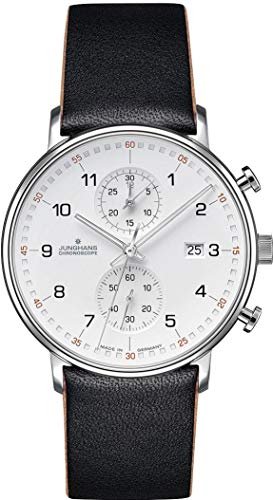
Begin by gathering the necessary tools: a pin pusher or a small flathead screwdriver, a soft cloth, and, if available, a dedicated watch link removal tool. This will ensure a smooth and damage-free adjustment process.
Next, identify the type of closure on your timepiece. Most models feature either a deployant clasp or a traditional pin and collar system. For a pin system, locate the arrows on the underside, which indicate the direction to push out the pins. Gently apply pressure with your tool until the pin is released.
After removing the desired links, reassemble the strap by reinserting the pin into the remaining links. Ensure the pin is flush with the surface to avoid any discomfort while wearing. Wipe down the entire band with a soft cloth to remove any residue or fingerprints before securing it back to your wrist.
Adjusting Your Timepiece Strap
Begin with proper tools: a small pin or a watch link remover. Ensuring you have the right equipment simplifies the process and minimizes damage risk to your accessory.


Steps to Remove Links
- Identify the links that require removal. Adjust the strap’s flexibility by checking the fit around your wrist.
- Position the strap with the link facing up. Locate the pin holding the desired link.
- Gently push the pin out using the pin tool. Apply light pressure to avoid bending the pin.
- After removal, check if the link is securely attached to the remaining section.
Alternative Methods
- If the strap includes a clasp, adjust its position to achieve a better fit without removing links.
- Consider utilizing a watch repair service for complex designs or if you’re uncertain about adjusting it yourself.
Regularly review the comfort of your strap, as it affects usability. Keeping your timepiece secured and fitting correctly enhances its longevity and your satisfaction.
Selecting the Right Tools for Shortening Your Watch Band
Begin with a proper spring bar tool to safely detach links or adjust the connection points of your timepiece accessory. This tool features a pointed end for easy access to spring bars, allowing for seamless removal without damaging the band or watch case.
Additional Tools
A pair of pliers, preferably with plastic tips, can assist in gripping metal without causing scratches. Micro screwdrivers are useful if your bracelet incorporates screws for link removal. Ensure that the screwdriver fits snugly into the screw to prevent stripping.
Safety Gear
Consider wearing safety glasses during the process to protect your eyes from small parts that may spring out unexpectedly. A soft cloth or mat helps catch any fallen links and prevents scratches on surfaces.
Gathering these tools beforehand will streamline the entire adjustment process, ensuring you achieve the desired fit efficiently.
Identifying the Type of Watch Band: Metal or Leather
Assess the material to determine whether your accessory is crafted from metal or leather. For a metallic option, look for shiny surfaces, links, or bracelets that exhibit weight and coldness. In contrast, leather bands are characterized by softer textures, a variety of colors, and possible stitching.
| Feature | Metal Bands | Leather Bands |
|---|---|---|
| Material Appearance | Shiny, often reflective | Matte, textured |
| Weight | Generally heavier | Typically lighter |
| Durability | Highly durable, resistant to wear | Can deteriorate over time with moisture exposure |
| Adjustment Method | Links can be removed | Holes for pin adjustment |
| Comfort | Can be less breathable | More breathable and flexible |
Check for additional components such as clasps in metal pieces, verifying whether they are fold-over, deployant, or sliding. Leather options may feature varied fastening techniques, from simple buckles to Velcro. Knowing these distinctions aids in selecting the right approach for resizing.
Step-by-Step Guide to Removing Links from Metal Bands
Begin by laying the timepiece face down onto a soft, clean surface to avoid scratches. This is crucial for maintaining the integrity of the glass face.
Identify Link Removal Areas
Examine the links for small arrows indicating the direction to push the pins for removal. These markers simplify the process, ensuring proper disassembly without damage.
Using Appropriate Tools
Utilize a pin pusher or a small hammer and a block to carefully push out the pins. Align the pin pusher with the pin’s edge, and apply gentle pressure. If resistance is met, check the alignment and approach again with caution.
After removing the desired number of links, reassemble the remaining sections by aligning the links accurately and inserting the pins back, ensuring they are securely fastened. Check the fit on the wrist and adjust if necessary.
Adjusting Leather Bands: Methods for Cutting and Resizing
Before making any permanent alterations to leather straps, ensure they are clean and free from dust. Choose an inconspicuous area for initial adjustments to test the technique.
Required Tools
- Sharp leather knife or scissors.
- Cutting mat to protect surfaces.
- Ruler or measuring tape for accuracy.
- Pencil or chalk for marking.
- Hole punch set for re-establishing holes.
- Leather conditioner for finishing touches.
Resizing Steps
- Measure the desired length. Use a ruler to determine how much material needs to be removed for a proper fit.
- Mark the cutting line. Use a pencil or chalk to draw a straight line across the strap where cutting will occur.
- Cut carefully. Use a sharp leather knife for a clean edge, or scissors if more comfortable. Avoid jagged edges by ensuring a smooth motion.
- Punch new holes if necessary. If adjustments require more fastening options, use a hole punch to create additional holes in the proper alignment.
- Condition the leather. Apply a leather conditioner to restore moisture and luster to the adjusted area. Ensure the finish matches the rest of the strap.
Following these recommendations will help maintain the aesthetic quality of leather while ensuring comfort for regular use.
Understanding the Different Clasp Mechanisms
Familiarity with clasp types enhances adjustment ease. Key mechanisms include:
Deployment Clasps
Often seen in premium pieces, deployment clasps provide secure fit and ease of wearing. They typically consist of a hinged design that opens and closes with a simple motion. Adjustments can be made via micro-adjustment features that allow for fine-tuning without link removal.
Folding Clasps
This clasp style offers a combination of aesthetics and practicality. It resembles a traditional clasp but folds over itself for added security. Folding clasps often incorporate safety features to prevent accidental openings, making it a reliable choice for daily wear.
Pin Buckles are straightforward mechanisms, utilizing a pin that fits into holes along the strap or band. Adjustability is limited but is suitable for leather straps, providing a classic look with a simple function.
Double-lock clasps combine elements of both deployment and folding clasps, providing extra security. This design requires two simultaneous actions to open, ensuring that it stays fastened during activities.
Understanding these mechanisms aids in selecting the right timepiece and facilitates effective resizing maneuvers.
Testing and Final Adjustments After Shortening the Band
After resizing, ensure proper fit by first putting the timepiece on your wrist. The ideal snugness allows for a slight movement, not overly tight or loose. If it’s uncomfortable, further adjustments may be necessary.
Check Comfort and Stability
Motion should feel effortless. Raise your arm and check that the accessory stays secure without sliding. If there is excessive space, consider removing another link or adjusting the leather for a closer fit.
Final Functional Tests
Inspect the clasp mechanism. It should engage smoothly and securely without resistance. Open and close it several times to confirm it doesn’t accidentally release. If it feels faulty, reassess the link adjustments and clasp orientation.
For leather types, check the cut edges to ensure they are even and finished properly, preventing any irritation. Treat the new edge with leather conditioner to maintain suppleness and prevent fraying.
Conduct a thorough visual inspection of the entire accessory to confirm that it maintains its original aesthetic, ensuring that resizing hasn’t compromised its appearance. Make any necessary cosmetic adjustments before daily wear.
FAQ:
What tools do I need to shorten a watch band?
To shorten a wristwatch band, you typically need a few basic tools: a spring bar tool, which helps to remove the spring bars holding the band; a pair of pliers, preferably with smooth jaws to avoid scratching; and, if necessary, a small screwdriver set for adjusting certain types of clasps or links. Additionally, having a soft cloth on hand to protect your watch during the process is helpful.
Can I shorten a watch band myself, or should I take it to a jeweler?
Shortening a watch band can be done at home if you feel comfortable with basic DIY tasks and have the right tools. Many people successfully adjust their watch bands themselves. However, if you are unsure or do not want to risk damaging the band or watch, visiting a jeweler or a watch repair shop is a safe choice. They have the expertise and tools to ensure the job is done correctly without any mistakes.
What are the steps to properly shorten a metal watch band?
To shorten a metal watch band, follow these steps: First, lay the watch face down on a soft cloth to protect it. Use the spring bar tool to remove the spring bars from the lugs. Next, identify the links you need to remove. Many metal bands have removable links secured with pins. Use the small screwdriver or a pin punch to push the pin out of the link. Once you have the desired number of links removed, reconnect the band by reinserting the pins and reattaching the spring bars. Finally, check the fit on your wrist to ensure it’s comfortable.



