
 Ethan Cole

To accurately measure intervals, engage the pushers located on the side of the timepiece. The upper pusher typically starts and stops the timing function, while the lower pusher resets the mechanism back to zero. This precise operation allows for effective tracking of elapsed time in various activities, from sports to cooking.
Familiarize yourself with the sub-dials; they usually display the seconds, minutes, and hours for the timing feature. Note that often the primary dial continues to show the current time, providing dual functionality. Monitor the minute sub-dial for longer durations, while the second sub-dial provides real-time tracking. Understanding these components enhances the practical application of your timepiece.
For frequent use, practice operating the timing functions in a low-pressure setting until adept. This confidence ensures smooth transitions during real-life applications. Whether timing a lap or an event, streamlined processes allow for concentrated focus on the task rather than the tool itself.
Understanding the Basic Functions of a Chronograph
To accurately time events, familiarize yourself with the primary operation of the start, stop, and reset functions. Press the top button to initiate timing and the same button again to halt it. Resetting the counters is accomplished by pressing the lower button, bringing the hands back to the zero position.
The central hand usually measures seconds, with sub-dials for minutes and hours. Typically, the first sub-dial reflects elapsed minutes while the second may indicate hours. Check your model, as configurations may vary.
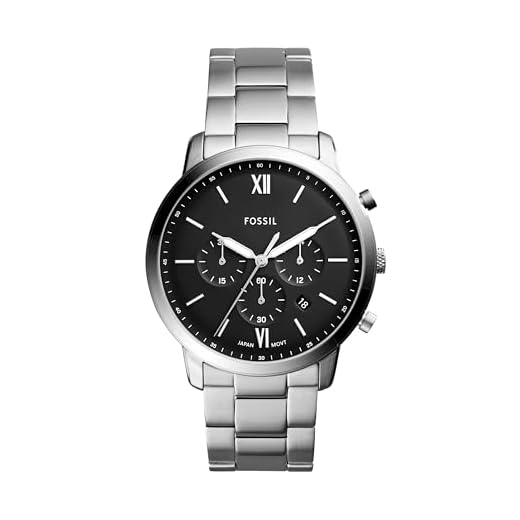

In addition to timing, some models feature a tachymeter scale along the bezel, useful for calculating speed. To utilize this feature effectively, begin timing at a known distance, and then read the scale for speed calculations after completing that distance.
For models with multiple functionalities, ensure to refer to the manual for specific features, such as split-timing or multiple time zones. Understanding the layout and operation of these features enhances versatility and precision.
Setting up the chronograph for accurate timings
To achieve precise measurements, calibrate the timer before initiating any timing activities.
Calibration Process
- Ensure the timepiece is set to the correct time.
- Locate the start/stop button, typically situated at the top of the side.
- Press this button to begin the timing; you’ll notice the central hand moves.
- To reset to zero, press the reset button, usually at the bottom. This action will return all hands to the original position.
Timing Events
- Select the specific time interval you wish to measure.
- Start the timing by pressing the start/stop button; the corresponding second hand will begin to move.
- Upon completion of the event, press the same button again to stop the hand.
- For subsequent laps or sections, utilize the lap counter feature by pressing the start/stop button once more to record without resetting.
Maintain awareness of the small sub-dials, which provide hours and minutes elapsed for enhanced detail in tracking instances.
In precision activities, be consistent in your method to ensure reliable results and replicate conditions as needed for accurate timing outcomes.
Starting and Stopping the Timer
To activate the timer, press the upper button, typically located on the right side of the case. This initiates the timing mechanism, often accompanied by the second hand moving independently from the main hands. To halt the timing, simply press the same upper button again. The timer will pause, allowing you to read the elapsed time accurately.
To reset the timer after stopping it, press the lower button. This action returns the sub-dials to their original position, enabling you to track subsequent intervals precisely. Ensure the timer is stopped before resetting to avoid inaccuracies.
Resetting the chronograph to zero
To reset the stopwatch function to zero, locate the reset button, usually positioned at 4 or 8 o’clock on the case. Press this button once, and the subdials should return to their original positions. Ensure all hands line up precisely at the zero mark for accurate measurements.
In models featuring a flyback mechanism, the process might differ slightly. Look for a button designated for resetting; pressing this will stop and reset the timing hands concurrently. Always check the specific instructions for your model, as variations exist.
If the hands do not reset correctly, adjustments may be necessary. In this case, consult the user manual for calibration procedures. Most models offer a way to adjust the hand positions through the crown, allowing for precise alignment during the reset process.
| Model Type | Reset Button Location | Special Features |
|---|---|---|
| Standard | 4 o’clock | No flyback option |
| Flyback | 8 o’clock | One-button reset and start |
Regular maintenance, including battery checks and cleaning, promotes smooth operation. If you encounter persistent issues with resetting, consider visiting an authorized service center for professional assistance.
Using Sub-Dials for Specific Time Measurement
The sub-dials on these timepieces are designed for precise tracking of various time segments. Typically, you’ll find a small dial dedicated to seconds, while others may track minutes or hours. Familiarize yourself with the layout, as each sub-dial corresponds to a specific function.
To measure elapsed time, activate the main timer, and observe the indicated time segments on each sub-dial. For instance, if the main hand shows three minutes, the minutes sub-dial should reflect this by moving incrementally. Different configurations can usually be encountered; thus, refer to your specific model’s instructions for exact sub-dial functions.
For events spanning longer durations, utilize the hour sub-dial effectively. This dial allows you to monitor up to 12 hours of activity. When timing events like races or meetings, set your primary focus on this feature to ascertain total time elapsed without calculating manually.
Use these features for timed exercises, cooking, or managing tasks efficiently. The minutiae reflected on these smaller dials provide a compact way to track intervals without losing sight of the primary time display.
Regular practice in initiating and stopping the timer while observing the sub-dials will enhance proficiency. Start with shorter timings before progressing to longer durations, ensuring the readouts become second nature.
Common mistakes to avoid when using a chronograph
Confusing the main timekeeping function with the timer is a frequent error. Ensure that the primary hands are used solely for telling the current time.
Neglecting to reset the timing mechanism before starting can lead to inaccurate measurements. Always reset to zero to ensure precision in timing events.
Forgetting to account for elapsed seconds can skew results. Watch closely for the secondary sub-dial that measures seconds during an active count.
Failing to stop the timer before resetting can result in losing recorded data. Always cease the timing sequence before attempting to clear the function.
Overlooking the importance of battery life might lead to unexpected failures. Regularly monitor and replace the battery as needed to maintain consistent performance.
Ignoring the user manual can lead to misunderstandings about specific functions. Familiarize yourself with the particular features of your model.
Using the timing feature for extended periods without breaks can cause wear. Opt for brief assessments to prolong the longevity of the mechanism.
Relying solely on the button function for starting and stopping can lead to confusion. Always confirm the status of the timer visually to avoid errors.
Regular maintenance and cleaning are often overlooked. Keep the device in optimal condition to ensure accuracy over time.



