
 Ethan Cole

Position the timepiece horizontally, ensuring the hour hand points toward the sun. This alignment is crucial as it sets the stage for accurate orientation.
Next, imagine an angle bisector between the hour hand and the 12 o’clock mark. For those located in the Northern Hemisphere, the direction indicated by this line will lead toward magnetic, whereas individuals in the Southern Hemisphere should direct their focus towards the opposite side.
It’s vital to consider the time of year when applying this technique. During Daylight Saving Time, add an hour to the time shown on the clock for optimal accuracy. This minor adjustment accounts for seasonal shifts and ensures reliable results.

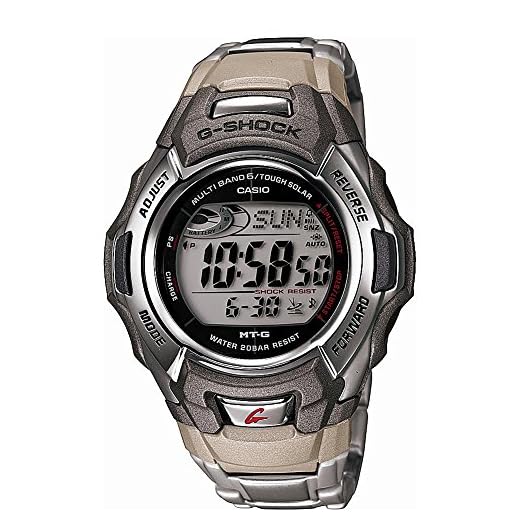
Finally, familiarize yourself with potential variations caused by your geographical location. Proximity to magnetic poles can influence the compass readings, so be aware of local anomalies. Regular practice of this skill enhances proficiency in orientation.
Understanding the Basics of Using a Watch as a Compass
To determine direction, position the timepiece horizontally. Align the hour hand with the sun’s rays. Measure the angle between the hour hand and the 12 o’clock mark. Divide this angle in half to identify the south direction.
Important Tips for Accurate Direction Finding
Ensure the watch displays the correct local time. Adjust for daylight saving time if applicable. In the northern hemisphere, the south is the bisector of the angle; in the southern hemisphere, it’s the opposite. This method is most precise around noon when the sun is at its highest point.
Alternatives for Enhanced Accuracy
Verify your results with a magnetic compass for enhanced reliability. Observe the sun’s position throughout the day, as it moves from east to west. Familiarizing oneself with the sun’s path aids in cross-referencing directions more effectively.
Setting Your Watch for Accurate Direction Finding
Adjust the time piece to reflect your local solar time. If you are in a region that observes daylight saving time, subtract one hour from the displayed time.
Identify the approximate latitude. This is useful for determining the right position of the hour hand. For locations closer to the equator, the angle is greater; nearer to the poles, it is less.
Point the hour hand towards the sun. This creates a line between the hour hand and the 12 o’clock mark on your device.
The midpoint between the hour hand and the 12 o’clock position represents the south direction in the Northern Hemisphere. In the Southern Hemisphere, the opposite applies, and the north is indicated instead.
For precision, take into account the time of year and solar noon adjustments. Seek additional local information if uncertainty arises.
Determining Your Hemisphere: Northern vs. Southern
To identify your hemisphere, examine the position of the sun relative to the hour hand while considering the time of year. In the Northern Hemisphere, the sun generally appears in the southern sky at noon, whereas in the Southern Hemisphere, it is positioned in the northern sky during the same time.
Identifying Time Zones
Daylight saving time affects the sun’s angle. If daylight saving time is in effect, subtract one hour from your local time before proceeding with calculations. This adjustment is critical when determining the sun’s position accurately.
Using Shadows
Another method involves observing shadows cast by objects. In the Northern Hemisphere, shadows point north around noon, while in the Southern Hemisphere, they will point south. This can provide an immediate visual reference when determining directional orientation.
Remember, the season impacts the sun’s trajectory. During summer months in the Northern Hemisphere, the sun rises northeast and sets northwest. In winter, it rises southeast and sets southwest. The opposite is true for the Southern Hemisphere.
Understanding these principles enables reliable identification of your location’s hemisphere and assists with orientation techniques effectively.
Using Hour Hand Positioning to Locate North
To pinpoint the direction of the North using the position of the hour hand, observe the following steps:
- Identify the current hour on the dial.
- Visualize an imaginary line from the center of the timepiece through the hour hand.
- For those situated in the Northern Hemisphere, create a bisecting line between the hour hand and the 12 o’clock mark. This line will direct you toward the North.
- If located in the Southern Hemisphere, take the same initial line from the hour hand towards the 12 o’clock mark and extend it outward; the opposite line will indicate the direction of North.
For enhanced accuracy, adjust the hour hand based on whether Daylight Saving Time is applicable:
- If observing Daylight Saving Time, subtract one hour from the current hour reading before drawing the line.
- In standard time, keep the hour position as is.
Keep in mind the angle of the sun’s position, as it will influence the accuracy of your reading throughout the day. Avoid the moments around noon when the sun is directly overhead.
Adjusting for Daylight Saving Time and Other Variables
To ensure precision in direction indication, account for Daylight Saving Time (DST). Adjust the hour hand by one hour forward if DST is in effect. This modification is fundamental for accurate positioning in the northern hemisphere as it impacts the sun’s trajectory.
Geographical Location plays a significant role; positions closer to the poles experience substantial variations in daylight hours throughout the year. Regular resets for the local time zone prevent discrepancies in results. Always confirm whether local time aligns with standard or daylight saving time.
Seasonal Effects
Be mindful of seasonal factors influencing the sun’s height in the sky. In winter months, the sun appears lower; therefore, adjustments in the angle between the hour hand and the 12 o’clock mark might be needed. Conversely, during summer, the sun rises earlier and sets later, altering its position during the day.
Other Influences
Weather conditions and geographical features can distort observations. Cloud cover may obscure sunlight, making it hard to determine the correct angle. Familiarize yourself with prominent landmarks to enhance your directional assessment, especially in unfamiliar areas.



