Ethan Cole

Positioning your accessory on the arm can significantly influence not just its visibility but also the overall aesthetic. The ideal spot is typically just above the bony prominence of the ulna, ensuring that it remains secure yet comfortable. This allows for easy access to the dial while avoiding excessive movement during daily activities.
The fit of the band also plays a crucial role. Aim for a snug yet comfortable embrace around the arm, allowing for a space of one finger between your skin and the strap. This ensures that the piece does not slide down during movement, keeping it in the right place. Remember, a tight fit can lead to irritation, while a loose one might make it fall out of sight.
Consider fabric and material choices when selecting an arm adornment. Metals can evoke a formal look, while leather offers a classic touch, and silicone bands convey a more casual vibe. Matching the texture to your outfit enhances both comfort and style, lending a coherent appearance throughout your ensemble.
Lastly, be mindful of occasions and settings. Certain environments may call for minimalistic designs, while others allow for more elaborate styles. Keeping this balance in mind will ensure that your accessory not only serves its purpose but also complements your overall fashion statement.
Optimal Placement for Timepieces
Align the accessory about one finger’s width above the wrist bone for comfort and practicality. This ensures ease of movement while maintaining visibility without pinching the skin.


Considerations for Various Activities
For sports or active engagements, secure the item tighter to prevent slippage. Conversely, during formal occasions, a looser fit can enhance comfort and style. Adjust based on the outfit, ensuring balance between functionality and elegance.
Adjusting for Personal Preference
The choice of limb can be influenced by habit or specific scenarios. Some prefer the dominant hand for quick access, while others opt for the opposite arm for a more understated presence. Experiment to discover what feels best.
Factors such as wrist size, watch thickness, and design should guide decisions. A bulkier piece may demand placement further up the arm, whereas slimmer designs can rest closer to the hand.
Ultimately, comfort and style are key; adjust until the fit feels natural.
Choosing the Right Wrist for Your Timepiece
Select the opposite side of your dominant hand. For right-handed individuals, the left side is preferable, while for left-handed users, the right side works best. This alignment minimizes interference with daily activities.
Consider the width of your band. A broader strap may create more comfort when worn on the non-dominant side, providing an excellent aesthetic without compromising functionality.
Evaluate the closure mechanism. A safety clasp may be more secure on a less active wrist, ensuring the piece stays in place throughout your tasks.
Take into account your personal style. If you have a preference for layered accessories, wearing on the non-dominant side allows more room for other jewelry without overshadowing your piece.
For physical activities, such as sports or manual labor, opt for the wrist that offers greater protection. A less active arm may mitigate the risk of damage to your accessory.
Gauge comfort level. If wearing an item on a specific side feels restrictive, don’t hesitate to switch sides until you find a position that enhances your experience.
Ultimately, the choice should align with functionality, comfort, and personal expression. Make adjustments as your lifestyle changes to ensure continued satisfaction with your selection.
Understanding Watch Size and How It Affects Positioning
Selecting the right dimensions of a timepiece directly influences where it should rest on an arm. A piece with a larger case diameter typically appears more pronounced on a slender arm, suggesting that placing it closer to the elbow showcases its design effectively. For individuals with a broader build, designs with a smaller face can create a balanced aesthetic when donned nearer the wrist joint.
Diameter and Thickness
Consider a timepiece’s thickness; thicker models often require a higher placement for comfort. This keeps the accessory from digging into the skin or interfering with movement. Conversely, slimmer variants can rest lower without discomfort, providing versatility in styling.
Strap Material and Flexibility
The choice of strap material also plays a key role. Metal links may offer rigidity, necessitating a snug fit to ensure stability, while leather or fabric allows for a looser touch. A more relaxed fit works well with softer straps, encouraging a natural sag toward the hand, which can add an air of elegance.
Adjusting Your Timepiece for Comfort and Security
Ensure your timepiece fits snugly but comfortably. The ideal adjustment allows for slight movement without sliding excessively on your forearm.
Use a combination of links to achieve the perfect fit. For models with a clasp, ensure that the clasp sits securely against your skin, preventing any chance of slipping during activities.
Regularly check for any changes in size due to factors such as temperature or fluctuations in your physiology. A snug fit in cooler temperatures may become uncomfortable in warmer conditions.
Consider wearing the accessory slightly above the wrist bone or just below the start of the palm to maintain stability. This area allows for unrestricted movement while keeping the device secure.
For additional comfort, opt for a strap made from breathable materials, which can enhance airflow and reduce irritation during prolonged wear.
Styling Tips for Wearing a Timepiece with Different Outfits
Choose a design that complements your ensemble. For formal attire, opt for a classic leather-strapped model in a subdued hue to maintain sophistication. In contrast, casual outfits can be enhanced with stainless steel or fabric straps featuring vibrant colors.
Color Coordination
Match the timepiece to your outfit’s color palette. Metallic tones pair well with neutral shades, while brighter, playful straps work for a relaxed look. If sporting patterns, select a timepiece with a simple dial to prevent clashing.
Accessorizing
Layer accessories thoughtfully. If donning bracelets or other jewelry, ensure they harmonize with the timekeeper. A minimalist piece suits a busy wrist aesthetic, while a bolder watch can stand alone as a statement item. Adjust quantities based on occasion; formal events warrant simplicity, while casual outings can embrace bolder combinations.
| Outfit Type | Recommended Timepiece Style | Color Tips |
|---|---|---|
| Business Attire | Leather strap, classic design | Dark tones, silver or gold accents |
| Casual Look | Fabric or metal strap, sporty design | Bright colors, match with casual wear |
| Evening Wear | Elegant metallic, slim profile | Complement dress colors; use silver/gold |
| Weekend Outing | Sporty and rugged | Play with contrasts, bold brights |
Consider the setting as well. Bright and bold designs stand out in casual gatherings, while understated elegance shines in formal settings. Balancing sophistication with personality enhances overall presentation.
Common Mistakes in Timepiece Placement to Avoid
Placing a timepiece too loosely can lead to constant shifting and potential damage. Ensure a snug fit on the arm without restricting circulation.
Positioning the accessory too high on the forearm can obstruct movement and reduce accessibility. Aim for a spot just above the wrist bone for ease of use.
Wearing an oversized piece can cause an unbalanced look. Opt for a size proportional to your arm’s dimensions for aesthetic harmony.
Combining a formal ensemble with a casual timekeeper can clash in style. Match the accessory’s design with the attire for a cohesive appearance.
Neglecting to consider seasonal factors can result in discomfort. Adjust placement according to clothing and temperature to maintain comfort throughout the day.
Overlooking maintenance can lead to wear and tear. Regularly check for proper fit and condition to ensure longevity and performance.
Using overly complicated fasteners may cause frustration. Choose simple, reliable closures for ease of use and quick adjustments.
Not considering personal activity levels can lead to mismatches. Select a design compatible with your lifestyle–sporty for active days and classic for formal events.
Transitioning from Casual to Formal Accessory Choices
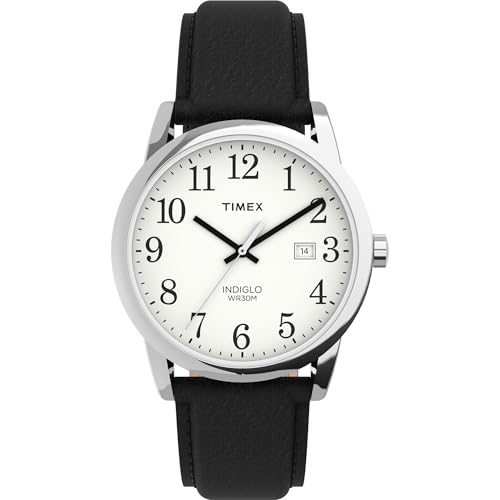
Begin with a sleek, classic design. A minimalist timepiece with a leather band or a metallic strap tends to elevate an outfit. Opt for muted colors such as silver, gold, or black to complement formal attire.
Material Matters
- Choose materials that convey sophistication, such as stainless steel, titanium, or high-quality leather.
- Avoid overly casual materials, like fabric or rubber, which may undermine a more polished look.
Size and Proportions
- Pick a case diameter that aligns with the outfit; smaller cases (around 36-40mm) suit formal events more effectively.
- Ensure the strap fits snugly, but allows for slight movement; this promotes comfort without compromising aesthetics.
Consider the color scheme of your attire. A metallic timepiece pairs well with darker suits, while a classic leather option enhances lighter shades. Pay attention to any accessories, like cufflinks or belts, for cohesive styling. Lastly, adjust the fitting before stepping out to maintain a polished impression throughout the day.