
 Ethan Cole

For those concerned about the potential link between wearing timepieces and joint discomfort, it’s essential to understand that prolonged use, especially with tight-fitting models, can lead to issues such as inflammation or repetitive strain injuries. Choosing a properly sized accessory can significantly reduce the risk of adverse effects on upper limb joints.
Alternating between different styles can alleviate pressure points and minimize repetitive movements that may contribute to joint pain. Ensure your choice allows for adequate circulation and isn’t overly restrictive. Regularly adjusting the fit or opting for lighter materials may also help maintain joint comfort.
Listening to your body is paramount. If you notice any discomfort or swelling in the vicinity while wearing these accessories, consider taking breaks or exploring alternatives. Consulting with a healthcare professional about specific symptoms is advisable, particularly if pain persists.
Impact of Timepieces on Joint Health
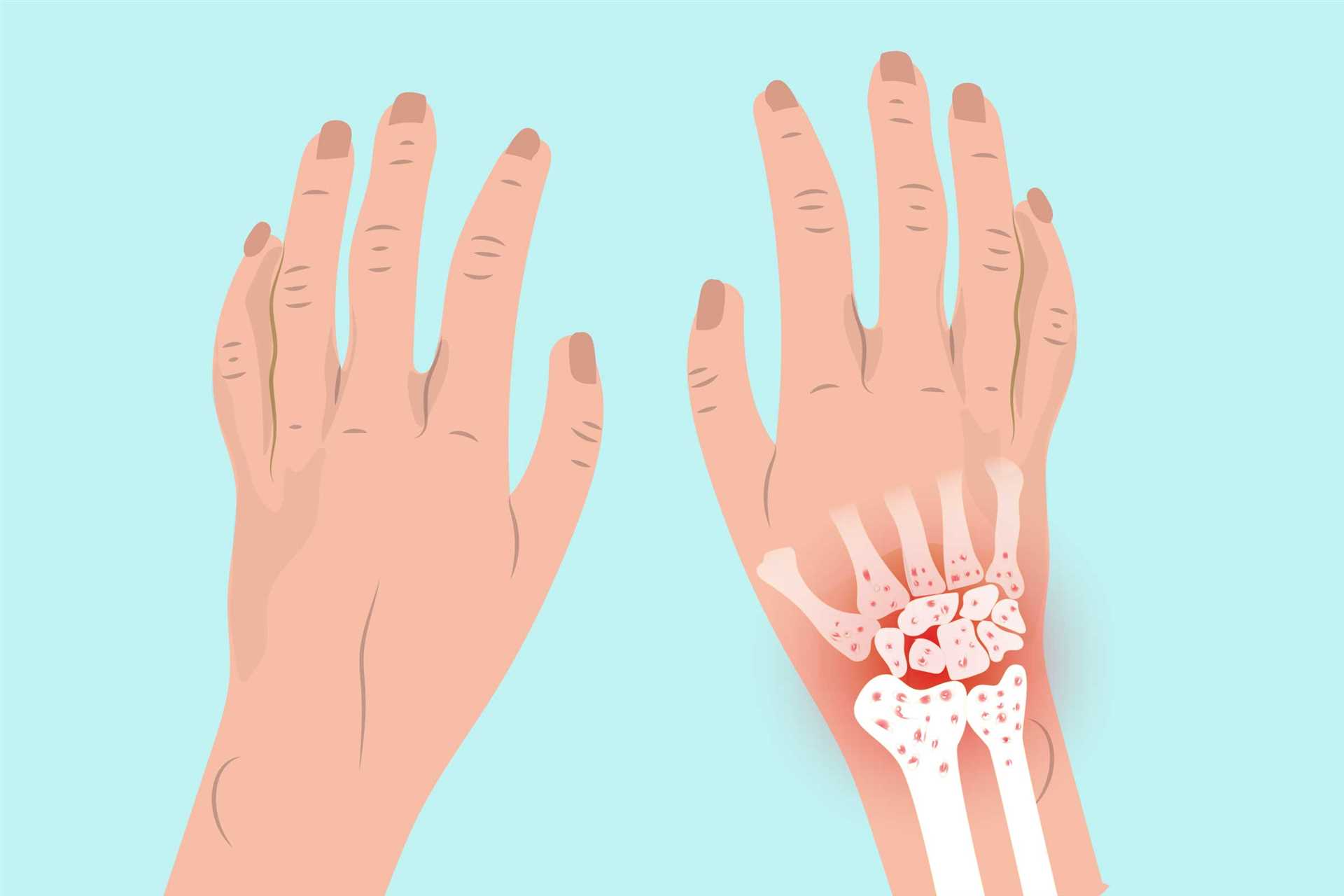
Frequent use of tightly secured timepieces may exert excessive pressure on the wrist joint, leading to discomfort over prolonged periods. It’s advisable to monitor how different styles and materials interact with your skin and joint mobility.
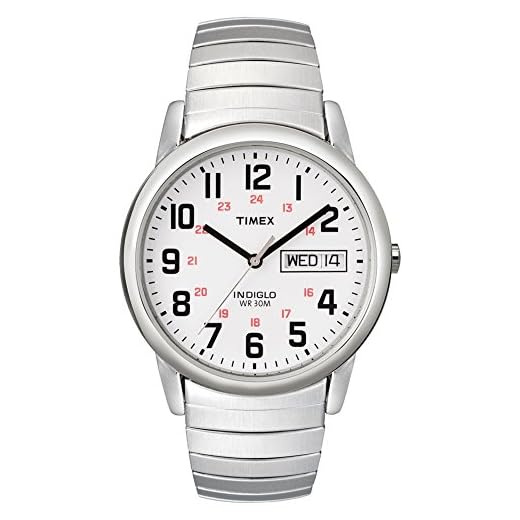
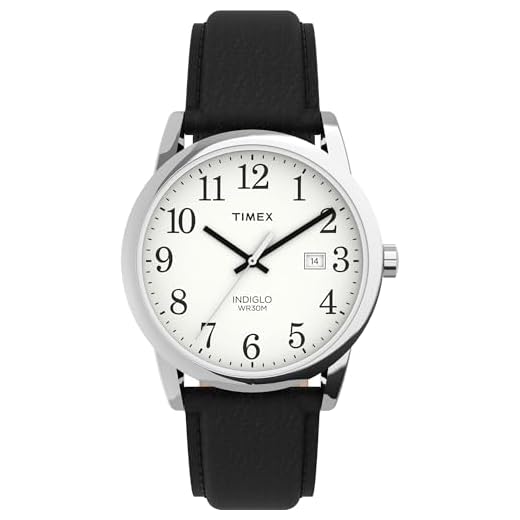
Recommendations for Preventive Measures
- Ensure any timepiece worn fits comfortably. Adjustments should be made regularly to accommodate swelling or changes in wrist size.
- Choose lightweight and breathable materials to minimize friction and pressure against the skin.
- Incorporate regular breaks without the accessory to allow the wrist to rest and recuperate.
- Engage in wrist exercises to strengthen the surrounding muscles and improve flexibility.
Signs of Potential Issues
Remain vigilant for symptoms such as:
- Swelling or tenderness in the wrist area
- Increased stiffness after prolonged wear
- Pain or discomfort that arises during or after use
Should these symptoms occur, consultation with a healthcare professional is recommended for a thorough evaluation and tailored advice.
Impact of Wrist Watch Weight on Joint Health
Individuals should select timepieces with a light weight to minimize strain on the joints. Heavier accessories can contribute to discomfort, leading to repetitive stress injuries over time. Consider opting for models that utilize lightweight materials such as titanium or certain synthetic composites.
Regularly wearing a bulky timepiece can place undue pressure on the wrist joint and surrounding tendons. This added weight may exacerbate existing conditions or lead to inflammation, especially in those with a history of joint issues. Users should be mindful of the sensations in their wrist, adjusting or removing the accessory if any discomfort arises.
Performing periodic breaks while engaging in activities that require wrist movement can enhance joint health. Moreover, alternating the wearing position or even the side of the wrist can redistribute stress and provide relief.
Engaging in wrist-strengthening exercises can further counteract any negative effects from wearing a heavy timepiece. Simple stretches and resistance training may improve flexibility, strength, and overall joint stability, assisting in maintaining a healthier wrist.
Wrist Positioning and Its Relation to Arthritis Symptoms
Maintaining a neutral position is paramount for reducing discomfort in the joints. Keeping the hand straight, rather than bent or twisted, can alleviate undue stress on the wrist. Positioning the palm upwards during repetitive tasks limits strain and may mitigate symptoms associated with inflammation.
Regular breaks are advisable to prevent prolonged pressure on the tendons. Adjustments in hand placement during activities can distribute weight evenly across the joints, fostering better circulation. Ergonomic tools designed to keep the hand in a more natural posture can further assist in mitigating inflammation risk.
Engaging in flexibility and strengthening exercises specifically tailored for the forearm may enhance joint resilience. Stretching can increase range of motion and reduce stiffness, which alleviates discomfort. Additionally, incorporating activities that promote overall joint health, such as swimming or cycling, can be beneficial.
Attention to posture during both daily routines and while engaged in hobbies contributes significantly to joint safety. Regularly assessing hand and arm alignment helps identify any awkward positions early on, allowing for timely adjustments. These mindful practices can support long-term joint integrity and comfort.
Clinical evidence suggests that consistent attention to hand alignment during various activities can play a role in overall joint health. Implementing these strategies can serve as an effective proactive approach to managing discomfort and promoting better joint function.
Material Sensitivities and Their Role in Joint Pain
Individuals who exhibit sensitivities to specific materials should choose accessories carefully. Metal allergies, particularly to nickel, can lead to skin reactions that may exacerbate discomfort in the joints. It is advisable to select hypoallergenic materials, such as titanium or surgical-grade stainless steel, to mitigate adverse reactions.
Leather and synthetic bands may also provoke sensitivities; consider opting for breathable fabrics or silicone alternatives, which are less likely to irritate the skin and surrounding joints. Regular cleaning of the accessory can prevent buildup of allergens and bacteria, further reducing the risk of inflammation.
Observing changes in comfort and any joint discomfort after wearing various materials can provide insights. Keeping a journal of reactions can assist in identifying problematic substances, enabling informed choices for future purchases.
Consultation with a healthcare professional is recommended for persistent discomfort, as they may suggest tests to determine specific sensitivities. Taking proactive steps in monitoring and adjusting material choices can significantly enhance comfort and overall joint health.
Frequency and Duration of Watch Use: A Risk Factor?
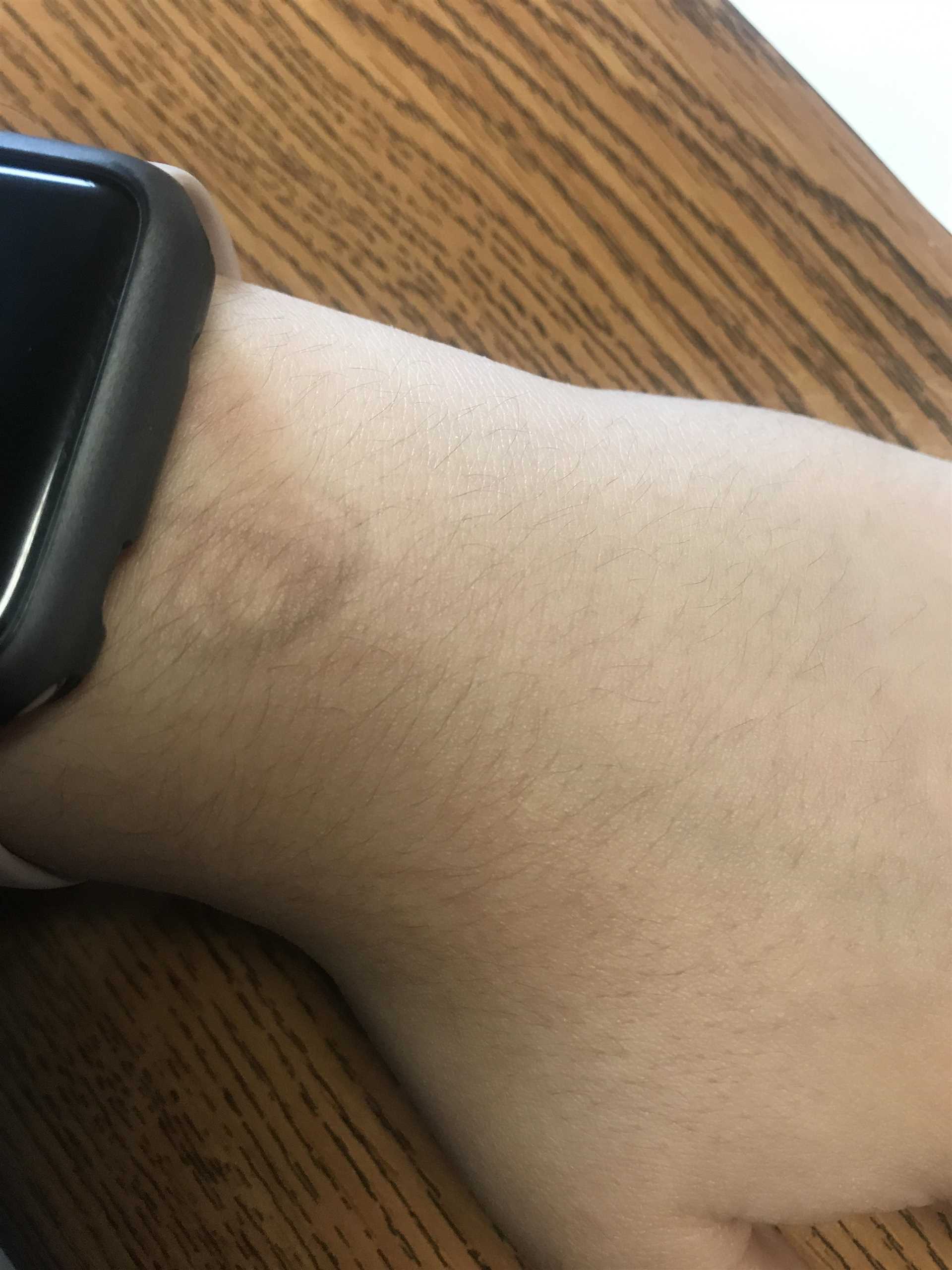
Limit time spent wearing accessories on the forearm to mitigate potential discomfort. Clinical studies indicate that prolonged use may lead to increased strain on joints, especially if the accessory is heavy or poorly designed.
Study Findings
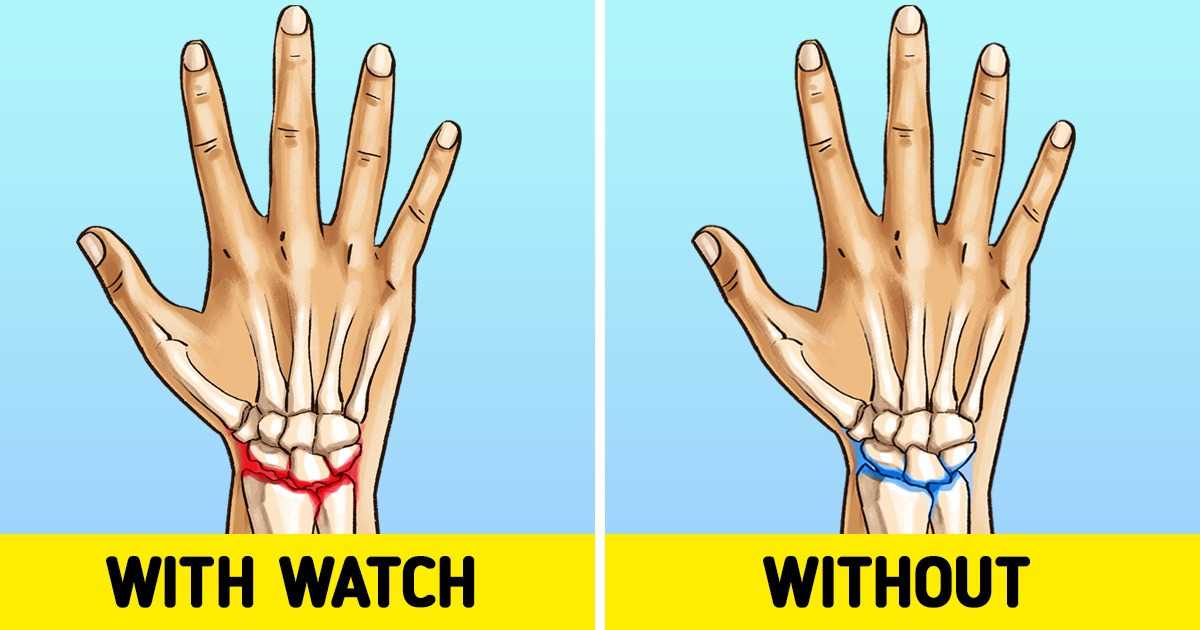
Research highlights a correlation between the frequency and duration of accessory use and joint pain. A survey conducted with participants outlined the following:
| Usage Duration (Hours/Day) | Reported Joint Discomfort (%) |
|---|---|
| 0-2 | 10 |
| 3-5 | 25 |
| 6-8 | 50 |
| 9+ | 70 |
Recommendations
To minimize potential health issues, consider the following:
- Shift accessory positions regularly to alleviate pressure on joints.
- Choose lightweight materials to reduce strain during prolonged use.
- Limit continuous wear to avoid overexertion of the same joints.
Monitoring how long such items are worn daily will assist in maintaining optimal joint health and comfort levels.
Best Practices for Watch Wearers to Minimize Joint Issues
Choose lightweight options to reduce strain. Select timepieces made from materials like titanium or resin, which are known for their durability without excess weight.
Proper Fit
Ensure the accessory fits snugly without being too tight. A good fit prevents unnecessary pressure, allowing for comfort during extended use.
Frequent Breaks
Take regular breaks to relieve pressure on joints. Remove the accessory for at least 10-15 minutes every few hours to promote circulation and reduce stiffness.
Maintain a consistent awareness of position. Adjust the angle of wear to avoid prolonged stress on any single joint, rotating the position throughout the day.
Seek hypoallergenic materials if skin sensitivity exists. Nickel-free options can decrease irritation, thereby minimizing discomfort in surrounding tissues.
Integrate wrist exercises into daily routine. Simple stretches can improve flexibility and decrease the risk of strain from prolonged use.
Monitor changes. If discomfort arises, reassess the choice of timepiece or consult a healthcare professional for tailored advice.


