Ethan Cole
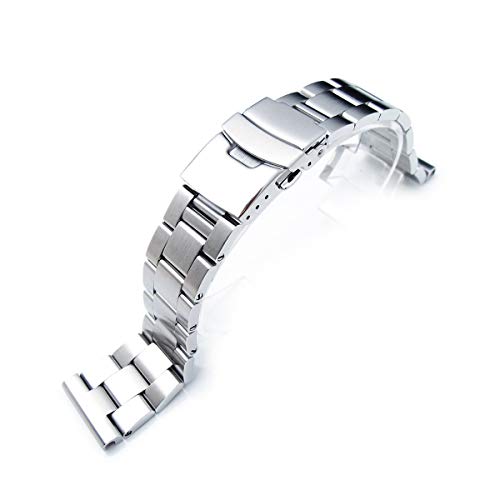
For optimal comfort, a timepiece should fit snugly but not constrictively. A good rule of thumb is to allow enough space for one finger to fit between the skin and the band. This ensures that the accessory remains secure while permitting natural movement.
Consider the type of band material; for example, metal and leather can allow for minor adjustments, while rubber straps may offer greater rigidity. It’s crucial to assess how the piece behaves during daily activities. It shouldn’t rotate excessively but must be able to accommodate slight movement without excessive friction.
Regular checks can help maintain the correct fit. Temperature changes can cause expansion or contraction of materials, altering how tightly the piece feels. Fine-tuning the fit can enhance both comfort and aesthetics, allowing you to wear it confidently throughout the day.
Is a Watch Supposed to Slide on Your Wrist
A comfortable fit is crucial for any timepiece. The correct level of snugness prevents excessive movement without restricting blood flow. A timepiece should rest lightly on the skin, allowing for slight natural shifts during daily activities.
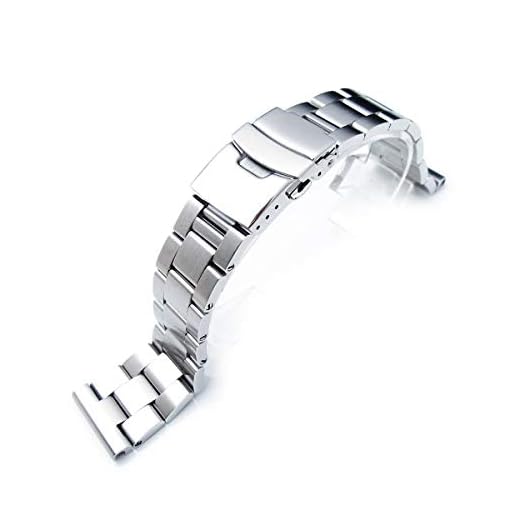


The optimal fit typically means it can be rotated ever so slightly without falling off. If it moves too freely, it may become unwieldy, impacting its function and your comfort. For a tailored experience, consider adjusting the strap or changing the size to meet personal preferences.
Moreover, the material of the strap plays a significant role. Metal, leather, and rubber straps can behave differently; rubber may offer more flexibility, while leather may require occasional maintenance to maintain structural integrity. Ensure that the component aligns with lifestyle and wear frequency for the best result.
In formal settings, a tighter fit may convey elegance, while casual wear can afford more flexibility. Ultimately, finding the right balance between security and ease enhances both practicality and style.
Determining the Ideal Fit for Comfort
The optimal fit for a timepiece is snug but not restrictive. Aim for a position where the band secures the accessory in place without causing discomfort during everyday activities.
Key Measurements and Adjustments
To achieve the best fit, consider the following measurements:
| Measurement | Description |
|---|---|
| Circumference | Measure the area around the area where the device will rest, ensuring you account for potential swelling or movement. |
| Gap | A small gap (about 1-2 fingers) should exist between the band and the skin to allow for air circulation and prevent irritation. |
| Material Flexibility | Choose a band made from flexible materials to ensure comfort throughout different activities. |
Testing the Fit
After adjusting, perform simple movements such as wrist rotation and arm raises. If the device shifts position significantly or feels overly tight, further adjustments are necessary. The device should naturally rest on top of the skin, maintaining stability during routine tasks.
How to Measure Your Wrist for the Perfect Size
To achieve an ideal fit, utilize a flexible measuring tape. Wrap it around the circumference of the lower part of the forearm, just above the hand. Ensure the tape is snug without being tight, and take note of the measurement in centimeters or inches.
If a measuring tape is unavailable, a length of string can serve as an alternative. After wrapping the string around the targeted area, mark where it overlaps, then measure the length against a ruler.
For added accuracy, measure at different times of the day. Variations in body size can occur, particularly during warmer or colder temperatures.
After obtaining the measurement, refer to sizing charts typically provided by manufacturers. These charts translate measurements into size categories, such as small, medium, or large. Choosing the correct size based on these guidelines will enhance comfort and functionality.
Remember to consider the intended style as well. More casual designs may allow for a looser fit, while formal styles often necessitate a more tailored approach. Adjust size preferences according to personal comfort levels and aesthetic choices.
Identifying Signs Your Timepiece is Too Loose or Too Tight
To assess if a timepiece is excessively loose or overly snug, observe these indicators:
- Mobility: If the accessory moves around significantly and can shift more than an inch from its resting position, it’s likely too loose.
- Comfort: Discomfort or pinching while worn suggests it might be too tight, impacting circulation and causing irritation.
- Swelling: Noticeable swelling or indentations on the skin where the item contacts may indicate it’s overly constrictive.
- Temperature Variance: A snug fit can create excessive warmth, while a loose fit may lead to a drafty sensation.
Regular checks can ensure a proper fit, optimizing wearability and function. Adjust or resize accordingly to achieve a balanced, comfortable hold on the arm.
Adjusting Watch Bands: Techniques for a Custom Fit
To achieve a personalized fit, consider the following techniques for adjusting bands.
- Using a Tool: Employ a band adjustment tool to remove or add links on metal bands. Gently push the pin out to extract a link or insert it back for an extension.
- Adjusting Leather Bands: For leather straps, utilize the holes for securing the buckle. If the fit is still unsatisfactory, consider adding additional holes with a leather punch.
- Rubber and Silicone Variants: Many rubber or silicone alternatives feature adjustable buckles. Snap the buckle to the desired notch for a snug fit.
- Heat and Stretch Method: If the band is too tight, carefully applying heat (using a hairdryer) can help in stretching materials like silicone. Ensure to be cautious to avoid damage.
- Consult a Professional: If unsure, seeking assistance from a jeweler or an authorized service center guarantees a proper adjustment without the risk of damage.
Regularly check the fit after adjustments, as expectations may change due to temperature fluctuations or daily activity levels.
Choosing the Right Watch Style for Your Wrist Type
Select a design that complements the shape of your arm. A slimmer timepiece suits delicate builds, while bulkier models align better with larger frames. Consider the thickness of the casing; a thick case can appear overwhelming on a petite arm. Opt for dials with a smaller diameter for a refined look.
Band materials also play a role. Leather bands lend elegance to narrower surfaces, while metal bracelets offer durability and a more robust appearance. Ensure that materials are lightweight for added comfort; heavy elements can lead to fatigue.
Adjustable features are key in finding the right fit. Styles with removable links or customizable fastenings allow for a tailored experience, accommodating the nuances of individual builds. Select a model with enough flexibility to cater to minor changes in size throughout the day.
When selecting a piece, assess how the color and finish harmonize with skin tone and personal style. Lighter shades tend to create a softer look against fairer complexions, while darker palettes provide a striking contrast. Consider multifunctional designs that transition seamlessly from casual settings to formal gatherings.
Evaluate how the watch feels while worn. Ideally, it should balance comfort and functionality without appearing lost or disproportionate on the arm. Prioritize options that align with lifestyle, ensuring everyday practicality.
FAQ:
Should a watch slide freely on your wrist?
A watch is typically designed to fit securely on your wrist without excessive sliding. While it should have enough room to allow for natural wrist movement and circulation, a watch that slides too freely may indicate that it is too large or that the clasp is not fitting correctly. A proper fit will usually allow for minimal movement, maintaining close contact with the wrist without being too tight.
What are the consequences of wearing a watch that slides too much?
Wearing a watch that slides excessively can lead to several issues. It may not only reduce the accuracy of timekeeping due to constant movement, but it can also increase the risk of damage to the watch. Collisions with objects or the ground can result from an ill-fitting watch. Additionally, a watch that is too loose may become uncomfortable over time, leading to frequent adjustments or distractions throughout the day.
How can I ensure my watch fits properly on my wrist?
To ensure a proper fit for your watch, start by measuring your wrist circumference with a flexible measuring tape. Consult the manufacturer’s guidelines regarding bracelet size or consider having the links adjusted at a jeweler. Additionally, testing the watch for comfort by wearing it for a few hours can help determine if it slides too much or feels too tight. Adjustments can typically be made to the band or strap to achieve the best fit.
Are there different styles of watches that fit differently on the wrist?
Yes, different styles of watches can fit differently on the wrist due to factors like design, strap material, and size. For example, sports watches may have adjustable straps designed for active use, while dress watches often feature more rigid bands for a polished appearance. Moreover, smartwatch designs tend to have customizable straps to accommodate various wrist sizes and preferences. Choosing the right style for your activities can also influence how well the watch fits and stays in place.
Can a watch be adjusted if it slides too much?
Yes, most watches can be adjusted if they slide too much. Mechanical and quartz watches, particularly those with metal bracelets, often have removable links to adjust the size. Leather or fabric straps may have extra holes or allow for length adjustment. If you’re unsure how to adjust your watch, visiting a jeweler or watch repair specialist can provide the best solution, ensuring that it fits securely and comfortably on your wrist.