Ethan Cole
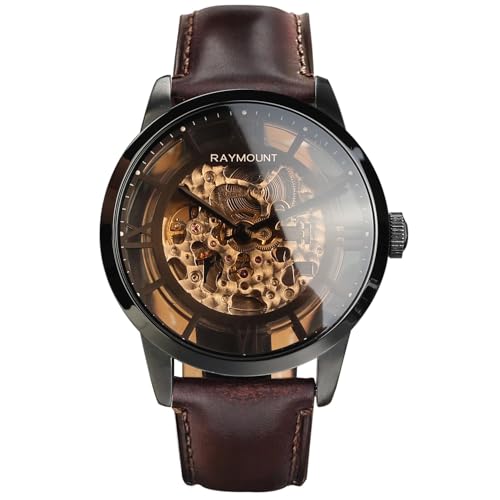
Verify the mechanism behind your timekeeper’s operation before jumping to conclusions. Mechanical devices may display varied accuracy based on several factors, including temperature, vibration, and power reserve. Typically, a well-calibrated timepiece should maintain a precision within a range of +/- 20 seconds per day. Understanding this range is crucial for assessing the performance of your timekeeping instrument.
Additional factors that can impact time accuracy include the positioning of the watch during rest periods. Storing horizontally or vertically can cause minor deviations in timekeeping. For those who rely on their timepiece for precision, consider regular maintenance checks to ensure all components are functioning optimally. Regular servicing can improve time accuracy significantly, preventing discrepancies that could lead to incorrect readings.
Ultimately, familiarity with your specific device’s quirks and features aids in achieving a more reliable understanding of its timekeeping capabilities. Conducting periodic reviews and adjustments can help maintain its integrity, ensuring more consistent performance over time. Remember, proper care and attention to detail are paramount for reliable timekeeping.
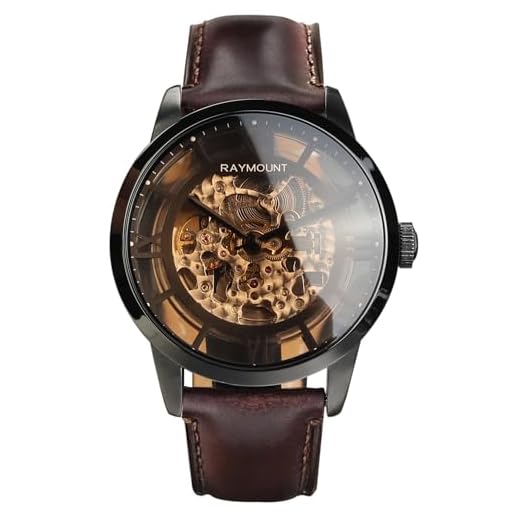

Do Timepieces Indicate Time Inaccurately?
To enhance precision, ensure regular maintenance of your device by a professional. Over time, mechanics and components may wear, leading to performance issues and discrepancies in timekeeping.
Factors Influencing Accuracy
Multiple factors contribute to the precision of a timekeeper:
| Factor | Impact |
|---|---|
| Temperature | Extreme changes can cause expansion or contraction of materials, affecting precision. |
| Magnetic Fields | Exposure to strong magnetic sources may disrupt mechanisms, leading to incorrect time display. |
| Battery Life | Near depletion may result in erratic performance or slower operation. |
| Mechanical Wear | Parts may degrade over time, resulting in irregular intervals. |
Recommendations for Enhancing Performance
To maintain accurate function, consider these actions:
- Have the mechanism serviced annually to address wear and tear.
- Avoid exposure to extreme temperatures and magnetic fields.
- Replace batteries promptly to ensure consistent operation.
Understanding Timekeeping Mechanisms in Wrist Watches
To gain insight into the accuracy of various timepieces, it is crucial to explore their underlying mechanisms. The two predominant types are quartz and mechanical systems. Each offers distinct characteristics that influence precision.
Quartz Mechanisms
Quartz timepieces utilize an electronic oscillator regulated by a quartz crystal. The vibrations produced by the crystal lead to a highly accurate time measurement, typically within ±15 seconds per month. Key features include:
- Battery-operated, requiring minimal maintenance.
- Resistance to external factors such as temperature variations, enhancing reliability.
- Battery life varying from 1 to several years, depending on the model and usage.
Mechanical Movements
Mechanical systems, which can be manual or automatic, derive power from intricate gear assemblies. These are characterized by:
- Manual winding or self-winding through motion, appealing to collectors.
- Precision variability, often influenced by temperature, position, and lubrication.
- Regular maintenance required for optimal functioning, affecting longevity.
Understanding these mechanisms empowers consumers to make informed choices regarding their timekeeping needs. The accuracy of a timepiece often correlates with its design and operational principles, allowing enthusiasts to appreciate the subtleties of horology.
Factors Affecting Accuracy: Temperature and Magnetism
Temperature significantly impacts timekeeping precision. Most timepieces are designed to function optimally within specific temperature ranges. Extreme heat can cause mechanical components to expand, resulting in inconsistencies in timekeeping, while extreme cold may lead to contraction, affecting the lubricant viscosity and causing internal friction. It’s recommended to store these devices in environments where temperature fluctuations are minimal, ideally between 20°C to 25°C, to maintain accuracy.
Magnetism and Its Influence
Magnetism is another critical factor that can disrupt the precision of timekeeping instruments. Exposure to strong magnetic fields can induce magnetization in delicate components, particularly in quartz and mechanical movements, leading to a deviation from the accurate time. To mitigate this risk, avoid placing these devices near electronic devices or magnetic sources. Additionally, some advanced designs incorporate anti-magnetic materials, which can enhance resistance to these external influences.
Recommendations for Accuracy Maintenance
To achieve superior precision, regular servicing is essential. A skilled technician can adjust the mechanism to compensate for any electromotive or thermal disturbances. Investing in tools or storage solutions that shield against magnetic fields may also be prudent. Regular monitoring of time accuracy can help identify shifts early, allowing for timely corrections and ensuring optimal performance.
How to Adjust Your Mechanical Watch for Precision
Use a timegrapher if available. This device measures the accuracy and beats per hour, indicating how far your timepiece is off. Aim for an adjustment within ±5 seconds daily.
Locate the regulation lever or screw on the movement. Typically, it’s near the balance wheel. Turning the lever toward “+” increases speed, while turning it toward “–” decreases speed.
Make minor adjustments, ideally no more than 1-2 ticks or degrees at a time. After each adjustment, allow a full 24-hour period before testing accuracy again.
Consider a professional service if your timepiece lacks a regulation feature or if you feel uncomfortable making adjustments yourself. Regular maintenance is key to long-term precision.
Store the mechanism in a stable environment. Maintain consistent temperature and humidity levels to enhance performance and limit outside influences on movement.
Remember to wind the mechanism regularly if it’s not automatic. A fully wound spring helps maintain consistent energy delivery, improving timekeeping accuracy.
Lastly, calibrate after adjustments by comparing against a reliable atomic clock or time website to ensure optimal performance over time.
When to Seek Professional Maintenance for Timekeeping Issues
Consult a professional immediately if the device consistently deviates from accurate time by more than a few seconds per day. This precision is key to proper functioning.
If irregularities in operation, such as sudden stops or erratic movement, are apparent, these symptoms warrant expert assessment. Ignoring them can lead to further complications.
Regular servicing is advisable every three to five years. This interval helps maintain optimal performance and longevity. During these check-ups, professionals can address wear and tear that impacts accuracy.
Humidity and water exposure can affect internal components. If you suspect such damage, seek assistance without delay to prevent corrosion or other lasting issues.
Changes in sound, such as unusual ticking or grinding, indicate the necessity for immediate attention. These sounds often signify that the internal mechanisms require adjustment or repair.
If the device has been dropped or subjected to significant impact, have it inspected for alignment or damage. Physical trauma can compromise timekeeping accuracy.
Persistent magnetization, resulting from environmental factors, can interfere with precision. A professional can demagnetize the mechanism to restore its reliability.
Finally, if you notice a decrease in battery life for quartz models or other power source issues, consult an expert to evaluate the situation and replace components if necessary.
Digital vs. Analog: Speed Differences Explained
Digital timepieces typically provide instant time reading due to their electronic displays. The mechanism involved allows for precise measurement down to milliseconds, ensuring immediate recognition of time. In contrast, analog types rely on mechanical parts and visual interpretation, which can introduce delays in determining the exact hour and minute.
Factors influencing the speed of time indication include:
- Display Mechanism: Digital outputs show numbers directly, while analog requires interpretation of hands’ positions.
- Battery vs. Mechanical Power: Digital types often use batteries, offering consistent power, whereas mechanical variants can face issues due to winding and friction over time.
- Time Calibration: Digital devices can be automatically synchronized with time standards, ensuring unmatched accuracy compared to the manual adjustments often needed in mechanical alternatives.
Despite their precision, digital formats also face challenges like battery depletion, which can hinder performance. Conversely, while mechanical styles are romantic in analogy, they require regular maintenance to maintain accuracy.
In practice, when immediate time verification is paramount, digital formats are preferable. For those valuing craftsmanship and aesthetics, mechanical types may be more appealing despite the additional consideration needed for speed in functionality.
Common Misconceptions About Time Accuracy
Many enthusiasts believe that traditional timepieces are inherently inaccurate. However, the reality is that modern mechanics can achieve remarkable precision. Most individuals overlook the influence of wear, maintenance, and calibration. A properly maintained mechanism can remain within milliseconds of accuracy over long periods.
Quality of Movement
Variances often arise from the type of movement. Mechanical models, particularly hand-wound variations, may exhibit slight drifts based on user habits and environmental conditions. Quartz options, in contrast, typically boast exceptional time-keeping reliability due to their electronic nature. Misunderstanding the differences between these movements can lead to misconceptions about overall accuracy.
Environmental Influences
External factors such as humidity, temperature fluctuations, and magnetic fields significantly impact timekeeping abilities. For instance, extreme heat can cause lubricants to thin, while cold may thicken them, affecting performance. Recognizing these environmental influences can mitigate unwarranted skepticism about time precision.