
 Ethan Cole
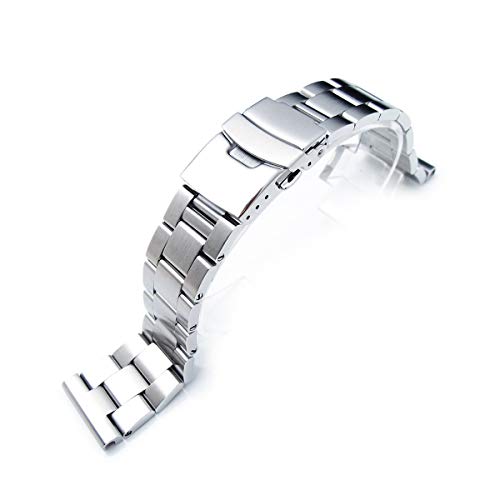
Position a timepiece on your left arm if you are right-handed; this allows for ease of access and minimizes the risk of scratching. Conversely, if you are left-handed, consider the right side for a similar practicality. Popular preference leans towards the non-dominant side to prevent interference during daily activities.
For a more comfortable fit, ensure the bracelet secures snugly, yet not too tightly, to allow for natural wrist movement. Measurements matter; select a size that complements your arm circumference to ensure it remains both functional and aesthetically pleasing. When in doubt, consult size guides or opt for adjustable designs.
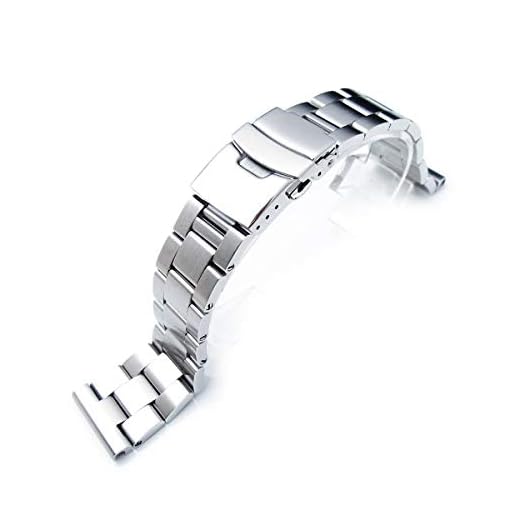

Additionally, consider the occasion when selecting placement. Casual settings often welcome relaxed styles, while formal events might call for a more polished appearance. Always match the timepiece with your attire for cohesive style, making it visually appealing no matter the location.
Is There a Proper Wrist to Wear a Watch
Choose the left side for classic styles; the majority of individuals prefer this side due to ease of adjustment and visibility. The right side, however, suits those who are left-handed or seek a unique look. Ultimately, comfort and personal preference trump tradition.
Consider the following factors when deciding on a placement:
- Comfort: Ensure the timepiece fits snugly without pinching. Too tight can restrict movement; too loose causes slippage.
- Activity Level: If engaging in sports or manual labor, positioning on the non-dominant side minimizes potential damage.
- Style: Certain designs complement specific outfits and occasions better on different sides.
- Gemstone Position: For ornamental pieces, consider the visibility of embellishments when selecting a side.
Regardless of the choice, make sure it aligns with personal comfort and reflects individual style. Frequent adjustment of the timepiece ensures optimal comfort and reduces wear on straps.
Choosing the Right Wrist: Left or Right?
Choose the non-dominant side for optimal comfort and functionality. This approach minimizes interference with daily activities, allowing smoother interactions with objects and tools.
Consider Personal Preference
Individual habits and comfort levels play significant roles. Some enjoy sporting styles that align with their dominant hand’s activity, while others find convenience in simplicity. Testing different placements helps establish what feels best.
Understanding Cultural Aspects
Cultural influences sometimes dictate which side is deemed more suitable. For example, certain traditions favor the left side for men and the right for women. Awareness of these customs might impact one’s choice beyond practical concerns.
Additionally, consider the type of accessory being used. Larger pieces may be more comfortable on the opposite side of dominant hand actions. Ensure to adjust the fit for optimal wearability over time.
Watch Size and Its Impact on Wrists
Select a timepiece with a dial size proportionate to arm dimensions. A diameter between 36mm to 40mm suits petite frames, while larger builds benefit from a 42mm to 46mm size. Consider thickness as well; slimmer models tend to harmonize better with delicate arms, while chunkier designs appeal to sturdier physiques.
Measure arm girth to identify optimal sizing. A circumference of less than 6 inches often aligns with smaller dials, while sizes exceeding 8 inches might handle bigger designs effectively. Aim for the center of the forearm for accurate determination, ensuring comfort and aesthetic appeal.
Pay attention to lug-to-lug measurements. This distance, from one end of the strap to the other, influences fit. A broader span may require a larger timepiece, while a compact width often compliments smaller frames.
Consider personal style. A larger, bold design may project confidence, while a minimalist approach can convey sophistication. Comfort should prevail; the piece shouldn’t impede movement or cause discomfort.
Lastly, strap style affects perception of size. A metal bracelet can amplify the presence of a smaller case, whereas leather bands provide a softer visual. Choose materials wisely to enhance overall look and feel.
Style Considerations for Different Wrist Types
Select a suitable timepiece based on your arm’s characteristics, including shape, size, and proportions. Recognize that a slim arm pairs well with minimalist designs, while broader builds can accommodate chunkier styles.
- Thinner Arms: Opt for slimmer and lighter models. Styles that are sleek and elegant enhance the overall look without overwhelming the frame.
- Wider Arms: Bold and substantial designs add balance. Consider watches with larger dials and thicker bands to create a harmonious appearance.
- Shorter Limbs: Smaller faces provide balance. Choose compact watches to avoid making the arm appear shorter.
- Longer Limbs: Larger timepieces can add proportion. Oversized selections create a striking contrast to elongated features.
Color plays a significant role too. Lighter shades on delicate wrists contrast nicely, while darker tones suit more robust builds. For personal expression, ensure that the style aligns with the wearer’s wardrobe and lifestyle preferences.
- Sporty Looks: Casual attire pairs well with rugged and multifunctional models.
- Formal Attire: Classic and sophisticated designs complement suits and elegant outfits.
Consider how the timepiece will be used in daily life. Select versatile options if worn frequently, while unique pieces can be saved for special occasions or statements.
Finally, an understanding of personal taste is key. Whether minimalist or extravagant, your selection should reflect individuality and confidence.
Wrist Circumference and Comfort Levels
A circumference measurement significantly influences comfort, especially for those opting for timepieces. Generally, a snug fit ensures stability, preventing any unwanted movement yet allowing for minimal flexibility. Gather a tailoring tape measure or a piece of string to wrap snugly around the chosen area, marking the circumference for accuracy.
Recommended Fits by Circumference
For individuals with smaller measurements (around 5.5 to 6.5 inches), lightweight and slimmer designs are ideal, minimizing bulk and enhancing comfort. As the measurement increases (6.5 to 7.5 inches), mid-size options become suitable, providing a balanced aesthetic without compromising wearability. Those with larger circumferences (over 7.5 inches) should gravitate towards robust, bold pieces that complement their size while ensuring proper balance and ease of movement.
Material Considerations
The material selection also plays a critical role in comfort levels. Silicone or fabric straps provide greater breathability and flexibility, suitable for active lifestyles. Metal options, while offering a classic touch, may require adjustments to avoid pinching or discomfort during extended usage. Consider personal activity levels and style preferences when choosing the material to enhance the overall experience.
Adjusting Watch Fit for Various Wrist Shapes
For an optimal fit, consider the unique contours of your arm. Understand your specific shape and structure to find the right adjustment for different styles.
Identifying Wrist Types
Shapes vary widely, including round, square, slim, and muscular. Each type necessitates different sizing. For a rounded form, a curved casing complements better, while angular designs suit square shapes. Slim and muscular types benefit from adjustable bands that accommodate changes in whether the arm is relaxed or in motion.
Adjustment Techniques
Utilize micro-adjustments on metal bands or select leather options with multiple hole placements for a tailored feel. For silicone straps, opt for adjustable lengths that allow for a snug fit without tightness. Ensure that the timepiece sits comfortably atop the arm without sliding excessively. A good rule of thumb is to have enough space for a finger to slide underneath the band without causing pressure.
Regularly reassess the fit, especially with temperature changes, swelling, or activity levels, which can impact comfort.
Choosing materials that conform slightly to the shape can also improve comfort over time. An investment in a timepiece that allows for distinct adjustments can lead to a more enjoyable experience and usage.
Watch Materials and Their Suitability for Skin Types
The selection of materials for timepieces significantly impacts comfort and skin compatibility. Certain substances may trigger allergic reactions or cause irritation, especially for individuals with sensitive skin. Here’s a concise breakdown of materials and their effects:
| Material | Skin Compatibility | Common Reactions |
|---|---|---|
| Stainless Steel | Generally suitable | Rare, but potential for nickel allergies |
| Leather | Good for most | Can cause irritation if untreated or wet |
| Silicone | Highly recommended | Minimal reactions; breathable |
| Titanium | Excellent choice | Very low risk of allergy |
| Gold (14k, 18k) | Safe for most | Possible reactions in higher karat alloys |
| Plastic | Varies with quality | Low risk, but can degrade over time |
| Ceramic | Good for sensitive skin | Generally hypoallergenic |
Individuals with specific sensitivities should consider hypoallergenic options, like titanium or ceramic, to minimize the risk of adverse reactions. Regular cleaning is recommended for leather and silicone materials to maintain hygiene and comfort. Testing materials before extended use is advisable, especially for those prone to skin irritations.


