
 Ethan Cole
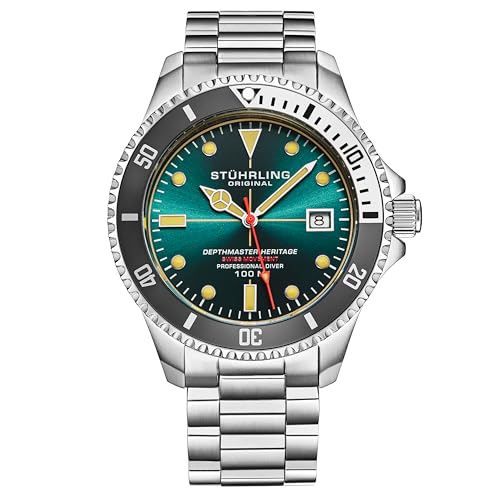
For those who wear traditional time-measuring devices, it’s crucial to understand potential reasons behind their intermittent failure. A key aspect involves susceptibility to electromagnetic fields generated by everyday appliances such as smartphones, microwaves, and computers. Keeping your timepiece away from these devices may enhance its reliability.
Another factor to consider is personal physiology. Some individuals possess elevated levels of perspiration and skin acidity, which can corrode internal components. This can result in faster wear and tear. Regular cleaning and maintenance of the band and case can serve as preventive measures to mitigate this issue.
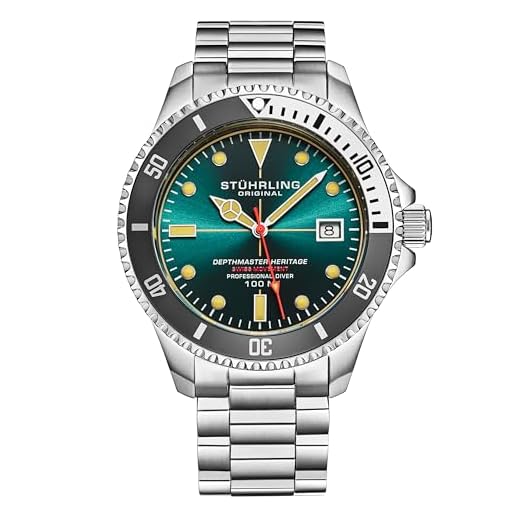


Be mindful of environmental conditions. Extreme temperatures or humidity can adversely affect delicate mechanisms. Storing your timepiece in a controlled atmosphere can preserve its functionality over time. Regularly checking its battery status and replacing worn-out parts contributes to longevity as well.
Factors Impacting Timepieces on Certain Individuals
To improve the longevity of your timepiece, consider the following points:
- Body Chemistry: Natural oils, sweat, and skin pH levels can affect the materials used in a watch. Opt for hypoallergenic straps if sensitivity is a concern.
- Magnetism: Exposure to magnetic fields from electronics can impair functionality. Keep your timekeeper away from strong magnets, such as speakers and certain devices.
- Moisture and Humidity: Water resistance does not make a watch immune to moisture damage. Ensure proper sealing after any exposure to water.
- Mechanical Manipulation: Frequent winding or adjusting without proper care can cause wear. Follow manufacturer recommendations for handling.
- Environmental Factors: Extremely hot or cold temperatures can impact accuracy and functionality. Store in a climate-controlled space.
By paying attention to these factors, your timepiece is less likely to experience issues prematurely.
Impact of Body Chemistry on Watch Mechanics
The interaction between body chemistry and timepiece mechanisms varies with individuals. Skin pH levels, typically ranging from 4.5 to 5.5, can influence metal components, leading to corrosion over time. Individuals with more acidic skin may experience accelerated wear on watches with steel or copper elements.
Additionally, sweat composition plays a role. High sodium content can create a corrosive environment, particularly for ornate designs with fragile components. Regular cleaning is advisable for those prone to excessive perspiration, as moisture can lead to internal damage if not managed properly.
Another factor is the presence of lotions and perfumes. Certain chemical compounds can leave residues on surfaces, promoting degradation of seals and gaskets. Opting for hypoallergenic products may mitigate this issue.
Magnetic fields generated by electronic devices, such as smartphones, can interfere with the delicate mechanics inside a timepiece. Individuals with a high exposure to such fields should consider watches with anti-magnetic features to preserve accuracy and longevity.
Finally, environmental factors, including temperature and humidity, also contribute to the longevity of a watch. Extreme conditions may exacerbate reactions between skin chemistry and the materials used in construction, leading to premature malfunction. Wearing appropriate materials tailored to one’s environment can safeguard against these effects.
Effects of Environmental Factors on Watch Longevity
Humidity and temperature variations significantly influence the function of timepieces. To enhance durability, maintain a moderate climate around the accessory. Avoid exposure to extreme heat, cold, or sudden temperature shifts.
Humidity
- Excess moisture can lead to internal rust, damaging components. Non-water-resistant models suffer the most; store them in dry environments.
- Consider using silica gel packets in storage areas to absorb excess humidity.
Chemical Exposure
- Avoid contact with harsh chemicals such as cleaning agents, perfumes, and lotions. They can degrade seals and damage dials.
- Regularly clean the exterior with a soft cloth to remove residues.
Exposure to magnetic fields can disrupt the operation of mechanical pieces. Keep these items away from speakers, magnets, and electronic devices. Special anti-magnetic models are available for environments prone to strong magnetic interference.
Vibrations from activities like sports or heavy machinery can affect accuracy. Stow delicate timepieces in protective cases during rigorous activities.
Ultimately, protecting these instruments from environmental hazards increases their lifespan and maintains performance. Regular maintenance and careful storage practices form the backbone of longevity for cherished timekeepers.
How Lifestyle Choices Influence Watch Functionality
Choosing a timepiece that complements an active lifestyle can significantly enhance its durability. Regular physical activities, such as sports or manual labor, expose timepieces to shocks and impacts. Opt for models with shock resistance features to mitigate potential damage.
Personal hygiene practices influence deployment and performance as well. Individuals who frequently use lotions, perfumes, or sunscreen may inadvertently coat the watch’s surface, potentially clogging openings and affecting mechanisms. Regular cleaning with appropriate materials can help maintain functionality.
Diet and hydration levels play a role too. High salt consumption can lead to moisture retention, promoting corrosion in the internal components of a timepiece. Staying hydrated and opting for balanced nutrition can proactively reduce this risk.
Environmental conditions also affect performance. Frequent exposure to extreme temperatures or humidity can warp materials and interfere with the delicate inner workings. Consider wearing timepieces designed for specific environments, such as water-resistant options for aquatic activities.
Finally, personal habits, like how often a watch is worn, influence battery life and overall performance. Leaving a quartz model unworn for extended periods can deplete batteries. Regular rotation of timepieces keeps them functional and prolongs their lifespan.
The Role of Watch Design and Materials in Performance
Materials utilized in timepiece construction substantially influence performance. High-quality metals, such as stainless steel or titanium, enhance durability and reduce wear, while specific alloys can mitigate the effects of skin acids and moisture exposure.
Design features, including case shape and crystal thickness, play a pivotal role as well. A thicker sapphire crystal resists scratches, whereas an intricate case design can trap moisture if not properly sealed. Regular maintenance of gaskets and seals is vital to prevent degradation and ensure optimal functionality.
The choice of movement type also impacts reliability. Mechanical movements, though often more intricate, require meticulous care and can be sensitive to environmental conditions. In contrast, quartz mechanisms offer robustness and accuracy but can be affected by battery quality and temperature fluctuations.
Attention to ergonomic design enhances wearability, thereby reducing the chance of accidental damage. A well-fitted timepiece limits unnecessary movement, minimizing shock exposure that could disrupt internal mechanisms.
In summary, selecting appropriate materials and thoughtful design directly correlates with a timepiece’s longevity and precise operation. Opting for brands that emphasize craftsmanship and durability will yield better long-term results.
Understanding the Importance of Regular Maintenance
Schedule thorough inspections at least once a year to prolong the lifespan of your timepiece. Regular servicing by professionals helps identify potential issues before they become significant problems, ensuring seamless functionality.
Clean your accessory regularly to remove dirt and residue that can affect its performance. Use a soft, lint-free cloth for the exterior and avoid immersing any non-water-resistant item in water to prevent damage to the internal mechanisms.
Oil the moving parts periodically to reduce friction, minimizing wear and tear. A well-lubricated movement operates more smoothly and reliably, enhancing accuracy and longevity.
Store the timepiece in a climate-controlled environment, away from extreme temperatures and humidity. Using a dedicated box with cushioning protects against shock and pressure, preserving its condition.
Utilize a watch winder if your model is automatic. This device maintains the movement of your timepiece while not in use, helping to prevent the lubricants from settling and drying out.
Monitor battery life diligently in quartz models. Replace batteries promptly to avoid leakage, which can severely damage internal components and diminish reliability.
Adhere to the manufacturer’s guidelines regarding care. Specific recommendations can optimize performance and prevent issues that may arise from neglect or misuse.
Identifying Common Signs of Watch Malfunction
Monitor timepiece behavior closely for indicators of issues. Erratic timekeeping often signals underlying mechanical problems. Verify accuracy by comparing the time displayed with a reliable source.
Another red flag is visible condensation beneath the crystal. This implies inadequate water resistance, potentially damaging internal components. Inspect for moisture leaks and act quickly to avoid further issues.
Watch noises during movement deserve attention. Unusual ticking or grinding sounds may indicate friction or misalignment in the movement. Reduce usage until a professional inspection occurs.
Physical damage, such as scratches on the crystal or case, can impact functionality. Assess external conditions regularly to identify and mitigate potential hazards. Protecting against bumps and drops extends longevity.
| Sign | Possible Issue | Recommended Action |
|---|---|---|
| Erratic Timekeeping | Mechanical Failure | Seek immediate repair |
| Condensation Under Crystal | Poor Seal | Inspect for water damage |
| Unusual Noises | Movement Issues | Minimize usage, consult expert |
| Visible Damage | Compromised Structural Integrity | Evaluate for repair or replacement |
Regular testing of features, such as chronographs or date functions, helps ensure all components operate as intended. Routine checks uncover potential malfunctions before they escalate. Prioritize care to enhance your timepiece’s lifespan.
FAQ:
What specific factors can cause wrist watches to stop working for some individuals?
Several factors can contribute to wrist watches malfunctioning for certain people. One common reason is environmental influences, such as exposure to moisture, extreme temperatures, or magnetic fields that can disrupt the mechanics of the watch. Additionally, body chemistry plays a significant role; certain individuals may have skin oils or sweat that corrode the metal and affect the battery or movement of the watch. Lastly, the way a person wears their watch—like constant movement or tightness—may also create undue stress on the watch’s internal components, leading to malfunction.
Why do some wrist watches seem to die faster for certain types of users?
The lifespan of a wrist watch can vary based on user habits and lifestyle. For example, individuals who frequently engage in physical activities that involve significant wrist movement might inadvertently stress their watch, leading to faster wear and tear. Additionally, those who live in areas with high humidity or extreme temperature fluctuations might find their watches malfunction sooner due to environmental stress. Another factor is the battery type; some watches require more frequent battery changes based on usage patterns, so a user with a more active lifestyle may need to replace batteries more often.
Are there particular watch styles that are more prone to malfunction for certain people?
Yes, certain styles of wrist watches may be more vulnerable depending on the wearer’s habits. For example, intricate mechanical watches may have delicate components that require careful handling and maintenance. On the other hand, sport watches often have more robust designs tailored for active use, but if not properly maintained, they can also fail. Additionally, smartwatches, which rely on software as well as hardware, can experience issues based on the user’s compatibility with technology or software updates, leading to quicker malfunction for some.
Can personal habits contribute to the malfunctioning of wrist watches?
Absolutely. Personal habits can greatly influence the longevity of a wrist watch. Regular exposure to water and sweat, for instance, can lead to corrosion if the watch is not water-resistant. Additionally, improper storage—such as leaving a watch in a hot car or exposing it to direct sunlight for extended periods—can cause damage. Furthermore, individuals who frequently adjust their watches or use them in high-impact sports may inadvertently introduce misalignments, which can disrupt the inner mechanisms and lead to failure.
Is there a difference in watch brands and their durability for different users?
Yes, different watch brands can vary in terms of durability and suitability for different users. High-end luxury brands often use superior materials and craftsmanship, resulting in a more durable watch, but they may also require more careful maintenance. In contrast, budget-friendly options might not possess the same longevity but could be better suited for casual wear. It’s also essential to consider each brand’s target audience; some are designed specifically for outdoor activities, while others cater to fashion-focused consumers. Ultimately, the best choice depends on the individual’s lifestyle and how they plan to use the watch.


