
 Ethan Cole

The term created by merging segments referring to a time-telling instrument designed to be worn on the arm can be defined clearly. This item serves the dual purpose of providing an accurate measurement of time while stylishly adorning the wrist. Understanding the linguistic structure behind this combination enriches one’s appreciation of both the function and fashion of this accessory.
When analyzed, the first part denotes the appendage where the item is typically secured, while the latter embodies its core functionality. This seamless fusion allows for both practicality and artistry in one convenient piece. Recognizing this linguistic connection can be particularly useful for those interested in branding, marketing, or simply enhancing their vocabulary.
Incorporating this knowledge into everyday conversation can elevate discussions surrounding fashion, technology, and personal expression. Always consider the contextual relevance of this term, especially in precise communication about accessories and their roles in daily life.

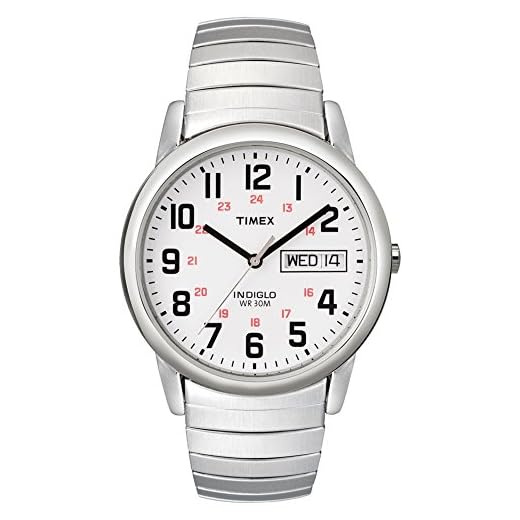

Understanding Compound Words with ‘Wrist Watch’
For building compound phrases, consider combining two or more existing terms to create a new concept. The phrase “wrist watch” exemplifies how a specific type of timekeeping device can be formed. In this instance, ‘wrist’ signifies the location on the body, while ‘watch’ defines the object used for timekeeping.
When forming similar phrases, identify descriptive elements that highlight the characteristics of the item. For example, variations can be utilized, such as ‘arm timepiece’ or ‘forearm chronometer’, depending on the context and intended use. Exploring synonyms can greatly expand creative possibilities and enhance clarity in communication.
Moreover, always assess the two components for clarity. Ensure that the result accurately conveys the intended meaning and resonates with the audience. This is particularly crucial in technical writing or marketing. Consistency in terminology strengthens visibility and comprehension.
Experimenting with various combinations can lead to the development of unique expressions, which may capture attention or convey specialized meanings. Keep in mind the practicality of usage and adaptability in everyday language. Analyzing existing terms can inspire innovative constructs.
In summary, effective composition involves understanding the interplay of meaning between individual terms, embracing creativity, and maintaining awareness of your target demographic. This method not only enriches vocabulary but also improves precision in language.
Definition and Structure of Compound Words
In language, a combination of two or more terms creates a new entity with a distinct meaning. These formations can be categorized into three primary types: closed, open, and hyphenated. Each type varies in its structure and application.
Closed forms, like “notebook,” fuse elements without spaces or punctuation, resulting in a single visual block. Open variants, such as “swimming pool,” maintain separation but function together as a unit of meaning. Lastly, hyphenated configurations, like “mother-in-law,” connect words with a hyphen, enhancing clarity and indicating a specific relationship.
The semantic relationship within these structures plays a crucial role in conveying intended messages. For instance, in the case of the combination of “band” and “stand,” a new notion arises that is specific to its context–be it a musical context or a physical structure.
Analyzing such combinations aids in understanding their usage and contribution to language evolution. Observing common patterns or shifts over time reveals insights into communicative practices and preferences.
Examples of Compound Terms in Everyday Language
Consider the following common expressions that showcase the integration of two distinct elements:
| Expression | Explanation |
|---|---|
| Toothbrush | An implement used for cleaning teeth. |
| Haircut | The act of trimming hair to a specific style or length. |
| Footprint | A mark left by a foot or shoe, indicating presence. |
| Bookshelf | A piece of furniture for storing books. |
| Mailbox | A container for receiving incoming mail. |
| Snowman | A figure made of snow, typically formed into a human shape. |
| Basketball | A sport played by two teams aiming to score points by shooting a ball through a hoop. |
Utilizing such terms can enhance communication clarity and efficiency in daily interactions.
Importance of ‘Wrist Watch’ in Modern Vocabulary
The term referring to a timepiece worn on the wrist plays a significant role in contemporary language, reflecting broader trends in fashion, technology, and culture.
Here are some key points highlighting its relevance:
- Style and Personal Expression: This accessory serves as a statement piece, often chosen to complement one’s outfit and personal style.
- Cultural Significance: In various cultures, a timepiece worn on the wrist symbolizes status, sophistication, or commitment. It can mark important life events such as graduations, weddings, or anniversaries.
- Functional Utility: Beyond aesthetics, this device provides the practical function of timekeeping, allowing individuals to manage their schedules effectively.
- Technological Advancements: As technology evolves, the integration of smart features into this jewelry signifies a blend of traditional craftsmanship with modern innovation, impacting consumer choices and communication.
Incorporating such terminology enriches discussions in multiple fields, including fashion, technology, and social interactions. Understanding its significance enhances communication and allows for a deeper engagement with various contexts it appears in.
Common Misuses and Confusions with ‘Wrist Watch’
Misunderstandings regarding timepieces often arise in daily usage. Awareness of these common errors can enhance communication.
Incorrect Terminology
- Referring to any type of timepiece as a bracelet can lead to confusion since it implies a mere accessory.
- The term “digital watch” is frequently misused for selections featuring analog displays, causing ambiguity.
- Some individuals mistakenly label a chronograph as simply a timer, neglecting its broader function as a multifunctional instrument.
Contextual Misapplications
- When discussing features, using terms like “display” interchangeably with the specific type of display can mislead listeners.
- Mixing up brands and models may give rise to inaccuracies, especially when detailing capabilities or special editions.
- Some might refer to wristwear as accessories rather than focusing on their primary purpose, which is timekeeping.
Clarifying these misuses facilitates more effective conversations about timekeeping devices and their features.
How to Use ‘Wrist Watch’ in Different Contexts
In business settings, refer to the timepiece as a stylish accessory that showcases punctuality and professionalism. For example, say, “I appreciate your attention to detail, but let’s check our timepieces to ensure we stick to the agenda.” This highlights its importance in maintaining schedules.
Casual Conversations
In informal discussions, mention this accessory in reference to personal style. You might say, “Your timepiece really complements your outfit.” This approach emphasizes the aesthetic value and individuality.
Sports and Activities
When discussing fitness, introduce the item as a practical tool for tracking performance. You can state, “I rely on my timepiece to monitor my laps.” Here, the focus is on functionality during physical activities.
In the context of gifting, position the accessory as a thoughtful present. For instance, remark, “This timepiece would be a perfect gift for a milestone birthday.” This expresses its sentimental value and significance in celebrations.
In technology discussions, highlight its evolution by saying, “Modern timepieces have integrated advanced features like heart rate monitors.” This indicates the blend of tradition and innovation.
When appreciating craftsmanship, comment, “The detailing on this timepiece speaks volumes about quality.” This reflects an understanding of artistry and precision in design.
FAQ:
What does the term “wrist watch” refer to?
A wrist watch is a timekeeping device that is worn on the wrist. It typically consists of a case containing a mechanical or electronic movement, a dial to display the time, and a strap or bracelet that secures it to the wearer’s wrist. Wrist watches can come in various styles, from simple and functional designs to luxury timepieces adorned with precious materials.
How is the term “wrist watch” formed as a compound word?
The term “wrist watch” is a compound word made up of two distinct parts: “wrist” and “watch.” The first part, “wrist,” refers to the joint connecting the hand to the forearm, while the second part, “watch,” denotes the device used for keeping time. When combined, these words create a specific meaning that identifies the type of watch that is intended to be worn on the wrist.
Why do people prefer wrist watches over other types of watches?
People often prefer wrist watches because they are convenient and easily accessible. Unlike pocket watches that require the user to retrieve them from a pocket, wrist watches allow for quick glances at the time without needing to search for them. Additionally, many find wrist watches to be fashionable accessories that complement their personal style. They also serve functional purposes, such as fitness tracking in smartwatches.
What are some types of wrist watches available today?
There are several types of wrist watches available in the market today, catering to various preferences and needs. These include analog watches, which display time using hands on a dial; digital watches, which show time in numerical format; smartwatches, which offer advanced features like notifications and health tracking; and mechanical watches, known for their intricate designs and craftsmanship. Each type has its own appeal and functionality.
Can you describe the history of wrist watches?
The history of wrist watches dates back to the late 16th century when they were initially created for women as decorative pieces. Men primarily used pocket watches until the late 19th and early 20th centuries when wrist watches became more popular, especially during World War I due to their practicality. Today, wrist watches have evolved into a symbol of style, technology, and personal expression, with advancements combining traditional craftsmanship with modern technology.


