
 Ethan Cole

The majority of individuals opt for the left side to display timekeepers. This inclination is often due to the fact that right-handed people find it more comfortable to manipulate watches with their dominant hand when fastening and adjusting. This positioning also minimizes the risk of damage to the timepiece during daily activities.
However, left-handed individuals might choose the right side for similar reasons. Adjusting their accessories with the left hand provides ease of use and accommodates their natural tendencies. Trends may influence choices, yet comfort and practicality remain paramount factors.
Regardless of preference, the design and functionality of the timepiece should align with lifestyle. Fashion and form both play roles, but wearability should always be prioritized to ensure enjoyment and satisfaction with the accessory.

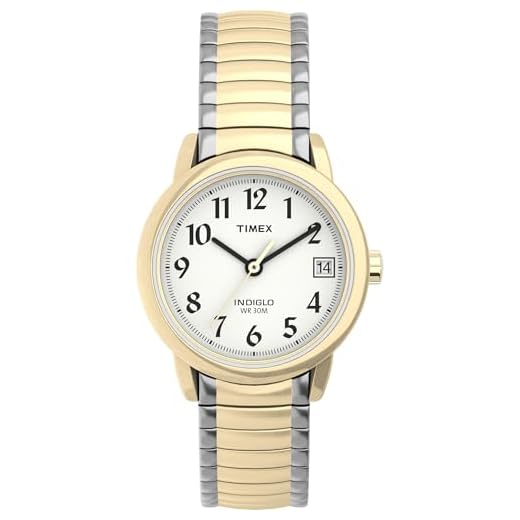

Choosing the Right Wrist for Comfort
Select the opposite arm from your dominant hand for optimal ease. If you are right-handed, consider placing the timepiece on your left side, and vice versa. This positioning reduces interference during daily activities such as writing or typing.
Factors to Consider
- Activity Level: For those engaged in manual labor or sports, placing the piece on the less active side minimizes wear and potential damage.
- Comfort: Ensure that the fit is snug yet comfortable; a loose fit may cause it to slide around, while a tight fit can lead to discomfort.
- Style: The placement should complement your overall fashion sense. Certain styles may look more appealing on one side compared to the other.
- Health: Consider any medical conditions, such as carpal tunnel syndrome, which might influence preference for side selection.
Adjusting to Fit
Personal comfort can be enhanced with proper sizing. Adjust the strap or bracelet to ensure that the device sits flat against the skin, promoting ease of movement.
Remember to evaluate the choice periodically. Preferences may change over time, influenced by lifestyle adjustments, new activities, or simply evolving tastes in wristwear.
Cultural Influences on Timepiece Wearing Preferences
In various cultures, the placement of timepieces varies significantly, reflecting unique traditions and societal norms. For instance, in some Eastern cultures, placing a timepiece on the right side symbolizes a connection to spirituality and mindfulness, while the left side may be viewed as more practical and functional.
In Western societies, the choice often aligns with personal comfort and fashion choices; however, there’s a prevailing trend where the left side remains dominant due to the majority of individuals being right-handed. This preference aligns with ease of adjustment and visibility during daily tasks.
Certain cultural events and ceremonies might dictate specific practices, where traditional garments influence choice of placement. For example, during weddings in various cultures, attendees might choose to showcase their accessories prominently, impacting their selected side.
The rise of gender fluidity in fashion also plays a role in shifting expectations around placement norms. Individuals increasingly choose sides based on personal aesthetics rather than traditional gender roles, challenging long-held beliefs about how to present accessories.
Regional styles can also dictate materials and designs preferred in specific areas, leading to variations in which arm is typically adorned with these accessories. In communities where craftsmanship is celebrated, the choice of wearing style may prioritize artistic expression over functionality.
Ultimately, understanding these cultural nuances not only enhances personal style but also fosters appreciation for the diverse practices that influence where individuals choose to position their timepieces.
Fashion Trends and Watch Placement
Placement of timepieces on the arm can significantly influence overall style. Currently, fashion trends reveal a shift towards more diversity in how individuals choose to adorn their arms with accessories. Wearing timepieces higher on the forearm or stacking them with bracelets is becoming increasingly popular. This serves not only as a statement but also as a way to add a personal touch to one’s look.
Layering Techniques
Layering remains a favored approach, combining multiple accessories for a chic effect. Mixing metallic hues with different materials creates visual interest. For instance, pairing a gold-tone watch with leather bracelets or silver bangles can elevate an outfit. The key is balance; avoid overcrowding the space. A minimalist approach with fewer statement pieces can also achieve a sophisticated appearance.
Seasonal Influences
Seasonality impacts accessory choices. In warmer months, lighter and more colorful options are preferred, while darker, more substantial pieces dominate colder seasons. The choice of arm placement can reflect these seasonal themes–opting for a more visible location during summer while keeping it understated in winter. Keep an eye on fashion shows and influencer styles for inspiration, as these often set the tone for upcoming seasonal trends.
Practical Considerations for Different Activities
For sports enthusiasts, positioning timepieces on the non-dominant side minimizes distraction and enhances focus during activities like running or cycling. A snug fit is recommended to avoid movement while training.
In professional settings, wearing these accessories on the left can facilitate easier access and readability, especially when writing or typing. Opt for a slim design to maintain comfort and professionalism.
When engaging in casual or recreational activities, flexibility in placement allows for personal expression. Allowing for experimentation can establish a unique style, harmonizing with both clothing and shoes.
For those who frequently interact with tools or instruments, choosing a placement that avoids interference is crucial. Consider using a deployment clasp for added security during hands-on work.
During formal events, aligning the style of the timepiece with the sleeve length and fit of outfits ensures a seamless appearance. It can be beneficial to select a piece that complements accessories already being worn.
Personal Style: How It Affects Watch Placement
Choosing a specific hand for a timepiece often reflects personal style and individuality. Preference frequently aligns with the wearer’s fashion choices, whether opting for a minimalist aesthetic or a statement piece. An elegant, delicate watch might sit attractively on the non-dominant side, whereas a bold, oversized model could serve as a focal point on the more active hand.
Fashion Statements and Timepiece Positioning
For those who enjoy mixing styles, placing a smaller or more intricate design on one side and a larger, more ornate timekeeper on the other creates an eye-catching contrast. This allows for more versatile outfit pairings and emphasizes an appreciation for both subtlety and flair.
Accessories and Layering Techniques
Layering jewelry around a timepiece can also dictate placement. If there are bracelets or bangles involved, positioning the clock beneath or above these accessories can enhance the overall appearance. Keep in mind the practical aspect: frequent adjustments may require comfort priority over aesthetics.
| Style Type | Placement Recommendation |
|---|---|
| Minimalist | Non-dominant side |
| Statement Piece | Dominant side |
| Layered Jewelry | Adjust based on accessory placement |
| Casual Wear | Comfort and accessibility are key |
This personalized approach to positioning not only defines one’s fashion identity but also enhances comfort and functionality in daily activities. Each choice encapsulates a narrative, showcasing how personal style can influence even the smallest details.
Right vs. Left Wrist: Myths and Facts
Typically, the placement of a timepiece on the left side is more common, driven by convenience and tradition. However, several myths and realities surround this topic.
Myths Surrounding Placement
- Myth: Left-handed individuals must wear a timepiece on the right side for comfort.
- Fact: Lefties often prefer the left side for ease of adjustments, despite being left-handed.
- Myth: Wearing on the dominant side reduces accuracy.
- Fact: Wrist placement does not impact timekeeping precision.
Benefits of Each Side
- The left side allows for easier adjustment if one is right-handed.
- The right side may be more suited for active lifestyles, reducing interference with dominant hand tasks.
- Comfort can be subjective; some find the right side less intrusive during activities like writing or typing.
Personal preference plays a significant role in determining the ideal side for showcasing style and function. While trends lean towards traditional choices, the ultimate decision should prioritize comfort and lifestyle. Understanding the myths and facts empowers individuals to make informed choices about their timepiece placement.
FAQ:
What wrist do most women typically wear their watches on?
Most women tend to wear their watches on the left wrist. This is largely influenced by cultural norms and practical reasons, such as being predominantly right-handed. Wearing the watch on the left wrist allows for easier adjustment and accessibility, especially when trying to set the time or use any features of the watch.
Are there any reasons why a woman might choose to wear a watch on her right wrist instead?
Yes, some women prefer to wear their watches on the right wrist for various reasons. For instance, left-handed individuals might find it more comfortable to wear a watch on their right wrist. Additionally, style preferences, the design of the watch, or even the desire to balance accessories can influence this choice. Some women may also feel that wearing the watch on a specific wrist enhances their outfit or personal style.
Is there a significance to the wrist on which a woman wears her watch?
The choice of wrist can sometimes reflect personal style and functionality rather than any cultural or social significance. For example, wearing a watch on the left wrist might be seen as conventionally stylish, while the right wrist could be a statement of individuality. In certain contexts, such as in some sports or professional settings, the wrist used may also connect to practicality, allowing for ease of movement and visibility.
Can the wrist a woman wears her watch on change based on the occasion or outfit?
Absolutely. A woman might choose different wrists depending on her attire or the occasion. For formal events, she may opt to wear her watch on the left wrist if it matches her jewelry. For more casual settings or while engaging in activities like exercise, she might switch to her right wrist for comfort or practicality. Ultimately, the wrist choice can be as flexible as the outfit, reflecting personal style and functional needs.


