
 Ethan Cole

From the late 19th century, feminine fashion witnessed a significant transformation as portable timepieces became a popular accessory. Early examples date back to the 1860s, when small, decorative timekeepers were crafted primarily for personal adornment rather than practicality. Designs often reflected the artistry of the era, with delicate embellishments and varying styles appealing to affluent classes.
The functional shift occurred around the turn of the 20th century. During this period, a notable increase in the practicality of these devices took place, with manufacturers adapting designs to cater more directly to female customers. The advent of the First World War catalyzed this evolution, as traditional roles shifted. This change encouraged a more active lifestyle, prompting women to seek convenient means to manage their time.
By the 1920s and 1930s, wrist-mounted timepieces began to emerge as symbols of elegance and sophistication. Innovations in design and miniaturization made these accessories more accessible, leading to a broader acceptance and integration into everyday attire. This marked the beginning of wrist-worn timepieces transitioning from mere fashion statements to functional companions in women’s lives.
The Evolution of Women’s Watch Designs
Throughout history, timepieces for females have transformed significantly, reflecting societal changes and technological advancements. In the early 20th century, timekeepers were primarily crafted as jewelry, prioritizing aesthetics over functionality. These pieces featured delicate designs embellished with gemstones.
Art Deco Period
The Art Deco movement of the 1920s brought bold, geometric patterns and vibrant colors into watch design. Manufacturers began to embrace innovative materials, such as platinum and various stones, allowing for unique and extravagant pieces. This era marked a shift towards expressing personal style through horology.

Mid-Century Modernism
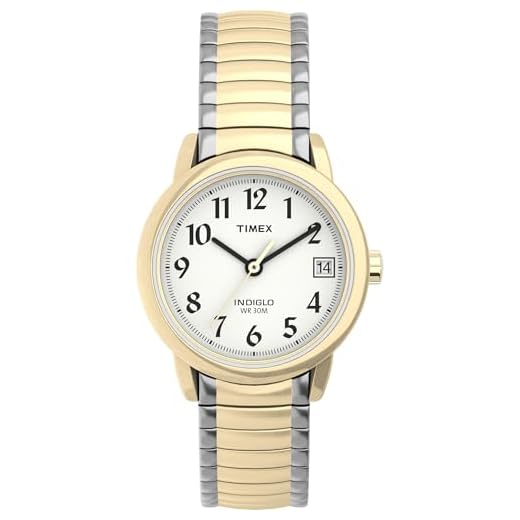
The 1950s and 1960s introduced sleek, minimalist designs, prioritizing legibility and comfort. Brands like Rolex launched iconic models that blended sophistication with practicality. The integration of quartz technology in the late 20th century led to thinner, lighter, and more precise timepieces, appealing to a broader audience.
In recent decades, there’s been a rise in brands focusing on sustainability, crafting timepieces from eco-friendly materials. This contemporary approach merges luxury with a conscious effort toward environmental preservation, showing how designs continue to evolve in a modern context.
Key Historical Milestones in Women’s Wrist Watch Adoption
The transition towards using timepieces on the wrist saw its significant advancement in the late 19th century. In 1868, Patek Philippe crafted what is widely considered one of the first feminine wristwatches, designed for Countess Koscowicz. This innovation marked a shift in accessorizing, allowing for a blend of practicality and elegance.
The Early 1900s: Acceptance and Popularization
Throughout the early 1900s, these timekeeping devices gained traction among the affluent, becoming a fashionable accessory. By 1910, manufacturers began producing pieces specifically aimed at females, effectively making them more accessible and desirable. Notable milestones include:
- 1904: Cartier introduced the Santos-Dumont, appealing to those seeking both style and functionality.
- 1916: The first models featuring interchangeable bands were launched, enhancing versatility and customization.
- 1920s: The ‘Roaring Twenties’ fashion movement led to increased visibility of these adornments during social events.
The Mid-20th Century: Diversification and Innovation
By the mid-20th century, these timepieces had developed various styles catering to different tastes. Key innovations included:
- 1930s: Introduction of Art Deco designs, characterized by geometric shapes and rich materials, appealing to modern sensibilities.
- 1960s: Watches became compact and often adorned with colorful dials, reflecting the vibrant culture of the era.
- 1970s: The Quartz Revolution led to affordable options that democratized access to precision timekeeping.
By the late 20th century, these accessories had secured their place in daily life, evolving into a significant aspect of personal style and identity. This transformation laid the groundwork for a diverse array of options available today.
Cultural Influences on Women’s Watch Fashion
The integration of timepieces into feminine fashion has been significantly shaped by different cultural contexts. In the early 20th century, designs reflected the aesthetic values of the periods they belonged to. For instance, Art Deco from the 1920s featured geometric patterns and luxurious materials, influencing the creation of exquisite pieces that appealed to the affluent. Such ornaments were not only practical but also symbols of sophistication.
Social Movements and Their Impact
As societal roles transformed, particularly during the suffrage movement, timekeeping devices became statements of independence. Access to stylish and functional timepieces allowed individuals to assert their identities in professional settings. The depiction of heroines in film and literature sporting refined accessories further propelled the desirability and adoption of these items as fashion statements.
Technological Innovations and Trends
The introduction of quartz technology in the 1970s made timepieces more accessible, leading to an explosion of styles that catered to diverse tastes. This shift solidified their status as a fashionable accessory. The emergence of smart technology in recent years has also influenced designs, prioritizing features like fitness tracking and connectivity while still maintaining aesthetics, appealing to modern sensibilities.
Notable Female Figures in Watch History
The contributions of remarkable women in horology have been significant and pivotal. Their influence shaped the perception and design of timepieces throughout various eras.
| Name | Contribution | Year |
|---|---|---|
| Jeanne Junio | Pioneer in producing elegant timepieces for ladies, promoting the concept of fashion watches. | 1900s |
| Elizabeth T. Lickley | First female watchmaker certified in the United States, challenging gender roles in the industry. | 1920 |
| Andrea W. A. Figueras | Advocated for precision in the design and manufacturing process, elevating the standards of womens’ timepieces. | 1985 |
| Marcella D. Brasileiro | Innovative designer known for the incorporation of precious materials and artistic elements in women’s wrist jewelry. | 2000s |
| Emma Helene Wray | Creator of the first smart wearable specifically designed for the feminine aesthetic. | 2015 |
These individuals not only crafted timepieces but also inspired a shift towards recognizing female sophistication in the watchmaking domain.
Technological Advances That Changed Women’s Watches
The introduction of quartz movements revolutionized timepieces in the late 20th century, significantly enhancing accuracy and reducing maintenance needs. This innovation allowed compact designs with thinner profiles, catering to modern aesthetics. The rise of smart technology further shifted the industry, offering multifunctionality along with health tracking features, thereby appealing to a broader audience.
Materials and Durability
Innovations in materials, such as the development of ceramic and titanium, improved durability and resistance to scratches. These advancements provided options that balanced elegance and practicality, making them suitable for various lifestyles. The incorporation of sapphire crystals also became standard, offering high clarity coupled with exceptional scratch resistance.
Production Techniques
Automated manufacturing and high-precision machining enabled mass production without compromising quality. This shift allowed luxury brands to create more accessible models while maintaining craftsmanship. Additionally, advancements in 3D printing are paving the way for unique designs, giving consumers the opportunity to customize their pieces.
Current Trends in Women’s Wrist Watch Styles
Artisan craftsmanship is a hallmark of recent designs, showcasing intricate detailing and unique materials. Look for models featuring hand-painted dials, hand-stitched leather straps, or sustainable materials that reflect individuality and a commitment to environmental responsibility.
Oversized cases remain popular, providing a bold statement while maintaining elegance. These pieces often combine classic watchmaking techniques with contemporary aesthetics, making them suitable for both casual and formal occasions.
Colorful dials are gaining traction, with brands experimenting beyond traditional hues. Soft pastels, vibrant jewel tones, and even gradient effects provide a fresh twist, allowing style diversification.
Minimalist designs continue to resonate, characterized by clean lines and understated elegance. Embrace pieces with a focus on simplicity for a timeless look that easily complements any outfit.
Smart technology integration is on the rise, with hybrid models that blend traditional mechanics with modern connectivity. Features such as fitness tracking and notifications offer functionality without compromising style.
Jewelry-inspired pieces are increasingly favored, merging timekeeping with decorative elements. Expect to see watches adorned with gemstones, unique bracelets, and artistic motifs that elevate them to statement accessories.
Additionally, vintage influences are making a comeback, with designs reminiscent of past eras being reimagined for today’s audience. These pieces often include retro colors, shapes, and materials that evoke nostalgia while appealing to contemporary tastes.
Lastly, customization options are more accessible. Many brands now offer personalization services, allowing individuals to choose straps, dials, and engravings, creating truly unique timepieces.



