
 Ethan Cole

The inception of timepieces worn on the wrist dates back to the late 16th century. The first documented instance occurred in 1868, when the Swiss watchmaker Patek Philippe crafted a piece for Countess Koscowicz of Hungary. This exquisite creation marked a significant milestone, transitioning the concept of portable timekeeping from pocket to wrist.
By the early 20th century, these accessories gained prominence, especially among military personnel. Soldiers favored them for their practicality in battle, leading to a surge in design variations tailored for functionality. Notably, during World War I, the practicality of wrist-mounted timepieces became recognized, vastly influencing consumer demand.
The post-war era further solidified wrist timepieces as fashion statements. Iconic brands expanded their collections, introducing models that blended elegance with engineering. By the 1920s, these items were no longer solely utilitarian; they embodied advancements in craftsmanship and style, appealing to a wider audience.
Understanding the evolution of these wearable devices sheds light on their significance in both history and fashion. Key milestones, such as technological enhancements and changing consumer preferences, have shaped their journey, establishing a legacy that endures in contemporary design.
Historical Development of Personal Timepieces
The transition to personal timekeeping instruments began in the 16th century when early designs appeared, primarily as pendants or attached to clothing. It wasn’t until the late 19th century that the trend grew, particularly among military personnel. Officers favored portable timekeeping devices that could be worn conveniently on their wrists, leading to the evolution of the design.
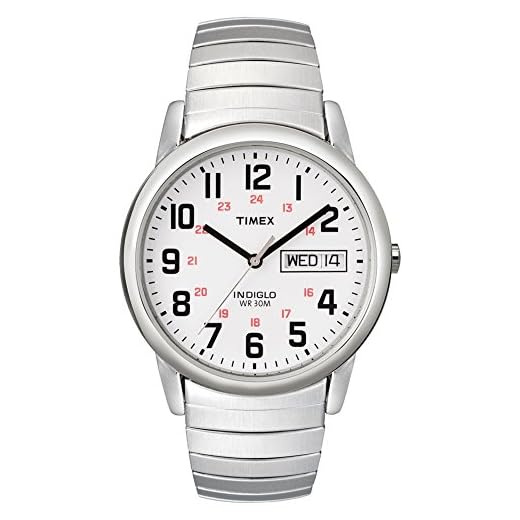

Key Milestones in Design and Manufacture
The first recognized examples of movable timepieces that could be fastened around the wrist emerged in the 1860s. Swiss manufacturers played a critical role as they began producing miniature clocks specifically aimed at wearability. By 1880, such devices gained popularity, especially during wartime, and notable brands such as Patek Philippe were already crafting sophisticated designs.
| Year | Event |
|---|---|
| 1868 | First documented wrist-mounted watch created by Patek Philippe for Countess Koscowicz. |
| 1880s | Increased demand among military officers for wrist-timepieces during the Franco-Prussian War. |
| 1900 | Introduction of more rugged designs suited for outdoor use. |
| 1920s | Widespread adoption in civilian markets as fashion accessory which combined style and functionality. |
Modern Era and Innovations
The 20th century saw significant enhancements in technology, leading to the introduction of quartz movements in the 1970s that revolutionized precision and affordability. The evolution continues with smart technology integration, making contemporary personal timepieces multifunctional. This continuous innovation reflects changing consumer preferences.
The Origins of Portable Timekeeping Devices
The earliest known portable timekeeping devices date back to the 15th century, featuring the invention of the hourglass and later the pocket watch. These devices represented a significant advancement in how humans measured time outside of fixed locations such as sundials or water clocks.
The transition to portability began with artisans creating small, intricate clocks, capable of being carried by individuals. Initially, these early versions were cumbersome and primarily catered to wealthy patrons. The development of spring technology in the late 15th century enabled the reduction in size, leading to the first functional pocket clocks.
By the 17th century, advancements in mechanics allowed for greater precision in time measurement, leading to a surge in popularity as these devices became status symbols. The craftsmanship evolved, introducing ornate designs that catered to personal tastes, while achieving more accurate timekeeping.
In the 18th century, the manufacture of timepieces expanded, leading to mass production techniques. Manufacturers began experimenting with new materials and designs, resulting in increased accessibility for broader audiences. The rise of the railway in the 19th century further highlighted the need for synchronized timekeeping, further promoting widespread use.
Modern iterations of portable timekeepers, influenced by technological advancements, eventually transitioned into fashion accessories, marrying function with style. The enduring appeal lies in the combination of craftsmanship, heritage, and technological progression that shaped their evolution from simple mechanical devices to intricate, multifunctional tools.
Evolution from Pocket Timepieces to Wrist Ornaments
The transition from pocket timepieces to wearing timekeeping devices on the wrist was driven by practicality and lifestyle changes. Nineteenth-century soldiers and aviators started using these compact instruments for quick access, leading to the increased popularity of portable designs.
Industrial Advancements
Technological progress during the late 19th century made mass production feasible, significantly reducing costs. Innovations in small-scale mechanics allowed for the development of reliable and lightweight designs. This era marked a shift in public perception, as convenience began to outweigh the traditional elegance associated with pocket versions.
Cultural Influence and Fashion Trends
The early 20th century brought about a change in fashion and social norms. The adoption of sporting and casual attire created a demand for practical timepieces that complemented active lifestyles. Influential figures, including pilots and celebrities, popularized wearing devices on the wrist, leading to widespread acceptance and eventual status as a fashion accessory.
Key Innovations in Timepiece Design
The development of timepieces has witnessed several groundbreaking innovations that transformed their functionality and aesthetics. Highlights of these advancements include:
Materials and Durability
- Stainless Steel: Introduced for its corrosion resistance, enhancing longevity.
- Sapphire Crystal: A preferred choice for lenses due to its scratch resistance.
- Smart Materials: Utilization of lightweight and durable composites for modern models.
Mechanisms and Features
- Quartz Movement: Revolutionized accuracy and reduced maintenance compared to mechanical alternatives.
- Automatic Winders: Integration allows for self-winding without manual input.
- Water Resistance: Enhanced designs enable submersion in various conditions.
- Smart Technology: Incorporation of connectivity features for health tracking and notifications.
Emphasizing readability and functionality, innovative designs also introduced features such as luminous hands, chronographs, and multifunction dials, catering to both aesthetic appeal and practical use. The evolution of these characteristics continues to shape the future of timekeeping instruments.
The Impact of World Wars on Timepiece Popularity
The first and second global conflicts significantly boosted the acceptance of portable timekeeping instruments among military personnel and civilians alike. During these wars, the demand for precise timekeeping surged, primarily driven by the need for coordination in operations. Soldiers required reliable devices that could be read at a glance, leading to an increase in their usage on the battlefield.
A key aspect of this phenomenon was the transition from traditional pocket models to the more functional variants worn on the wrist. The practicality of being able to check the time without needing to rummage through pockets made these timepieces indispensable for soldiers in combat environments. Companies recognized this growing trend and began to produce robust and durable models that catered to the needs of both military and civilian users.
Post-war periods saw a marked increase in popularity as returning servicemen brought with them not just a taste for the instruments but also a newfound functionality appreciation. This shift in consumer behavior indicated a broader acceptance of these items as fashion statements and indicators of status in everyday life.
The wars also prompted advancements in technology, as manufacturers sought to enhance features such as waterproofing, shock resistance, and greater accuracy. These innovations further solidified their place in both everyday use and as objects of desire, paving the way for a thriving market in the subsequent decades.
In summary, the contributions of global conflicts were pivotal in transforming timekeeping devices from mere accessories into essential tools, significantly affecting their design, functionality, and cultural significance.
Modern Advancements: Smartwatches and Beyond
Smart timepieces have transformed functionality by integrating advanced technology. They not only display time but also support applications for fitness tracking, health monitoring, and communication. For example, modern models can measure heart rate, count steps, and even monitor sleep patterns.
Leading brands have introduced features such as GPS navigation, built-in music storage, and customizable watch faces, enhancing user experience. With cloud connectivity, users can sync their devices with smartphones to receive notifications and alerts directly on their wrist.
Battery life continues to improve, with some devices lasting several days on a single charge. Solar-powered options further extend usability, catering to active lifestyles. Moreover, advancements in materials have led to improved durability, with scratch-resistant screens and water-repellent designs.
Future developments may include deeper integration of artificial intelligence, allowing timekeepers to learn user habits and optimize functionality accordingly. Health monitoring capabilities are also poised to evolve, with potential for real-time tracking of vital signs and early detection of health issues.
The rise of customizable options enables personalization, with various straps and styles appealing to diverse tastes. Upcoming trends suggest a blend of classic aesthetics with modern technology, appealing to both traditionalists and tech enthusiasts alike.



