
 Ethan Cole

Opt for the left side for optimal functionality and ease of access. Most individuals favor placing their timepiece on the left arm, as they generally use their right hand more for tasks such as writing or using tools. This positioning minimizes the risk of damage while promoting comfort during daily activities.
Statistical data suggests that approximately 70% of men opt for the left side. This trend not only provides practicality but also aligns with traditional fashion norms. By placing the timekeeper on the left wrist, you ensure that it remains readable without obstructing daily movements.
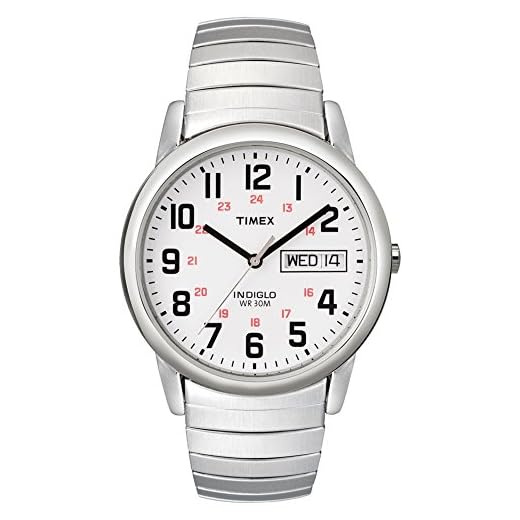

For left-handed individuals, wearing the accessory on the right arm presents a viable alternative. Personal preference plays a crucial role in this decision, as comfort takes precedence. Ultimately, choose a side that complements your lifestyle and provides easy visibility while enhancing your overall style.
Recommended Arm for Timepiece Placement
Conventionally, a timepiece is often placed on the left arm due to practicality and comfort. The left side usually accommodates the majority of users, particularly for right-handed individuals, allowing for easier adjustments and visibility.
Choosing the right side might also depend on personal preference or specific activities. Left-handed individuals may favor the right side, as this ensures effortless operation without interference from dominant hand motions.
Additionally, consider the style of the accessory. A larger or heavier design may sit more comfortably on a sturdier forearm, which can be a deciding factor for some wearers. Adjusting fit is crucial to maintain both comfort and functionality.
Ultimately, personal style and daily activities dictate arm selection. Test various placements to find the optimal position that feels natural and suits individual needs.
Choosing the Right Wrist: Cultural Insights
Opt for the left side, as this is a prevalent practice in many Western cultures, reflecting a norm that associates the left arm with leisure and sophistication. In contrast, individuals in specific Asian cultures may opt for the right side, tying it to traditional beliefs and practices. This choice can signify numerous layers of social meaning.
Regional Variations
In Latin America, preference for one side often relates to personal style rather than strict adherence to custom. Meanwhile, in African cultures, some may choose the side based on the arm’s dominant role in daily activities, thus adding a practical dimension to this decision.
Symbolism and Significance
Key symbols linked to left and right vary by culture. The left side can represent femininity and intuition in some contexts, whereas the right may embody strength and assertiveness. Understanding these nuances not only enhances social interactions but also informs choices about accessories and their placement.
The Impact of Dominant Hand on Watch Placement
Typically, individuals with a dominant right hand prefer to position timepieces on the left arm, allowing for ease of access and adjustment. Conversely, left-handed individuals may opt for the right arm. This trend aligns with the need to circumvent potential damage to the timepiece, particularly while engaging in daily activities.
Practical Considerations
While the choice of arm can be influenced by handedness, considerations regarding the design of the accessory also play a significant role. For instance, crown placements on certain models may dictate comfort and functionality. Hence, those wielding their dominant hand should assess how the timekeeper’s design interacts with their natural movements.
Cultural Perspectives
In various cultures, the selection of an arm for timekeeper placement is not solely based on handedness. Specific traditions may dictate preferences, reflecting societal norms and values. Selecting the appropriate arm can signify respect or adherence to customs prevalent within different communities.
| Dominant Hand | Preferred Arm for Timepiece | Rationale |
|---|---|---|
| Right | Left | Ease of use and protection |
| Left | Right | Comfort and accessibility |
Watch Types and Their Recommended Wrist Positions
For dress timepieces, positioning on the left side is standard, providing a refined aesthetic. The slim profile complements formal attire, ensuring minimal obstruction when worn with a long-sleeved shirt. Right-handed individuals may find this alignment advantageous for adjusting cuffs.
Sport and Diver Models
Sport and diver models typically fit well on the opposite side. This placement allows easy access while engaging in outdoor activities, ensuring seamless interaction with the watch’s features. The robust nature of these designs often aligns better with casual clothing, enhancing versatility.
Smartwatches and Hybrid Watches
For smartwatches, flexibility in positioning exists. A user may choose either side based on comfort and ease of access. If frequent notifications are expected, placement on the dominant side enhances practicality. The choice largely depends on lifestyle and personal preference.
Overall, aligning a timepiece to fit the specific type and intended use is beneficial, promoting both functionality and style.
Practical Tips for Wearing a Watch Comfortably
Opt for an appropriate size. The timepiece should sit comfortably on the arm without pinching or sliding. A snug fit helps in maintaining stability.
Consider the band material. Leather and fabric bands offer breathability, while metal options can sometimes feel heavy. Choose one that suits your daily activities and skin sensitivities.
Adjust the strap. The objective is to achieve a perfect fit–tight enough to stay in place, but loose enough to allow movement without discomfort.
Position the accessory just above the prominent bone of the arm. This area typically allows for better comfort and accessibility, reducing the likelihood of it digging into the skin during tasks.
Think about activity levels. For sports or vigorous activities, a secure and durable design is recommended. Certain models are designed for more active use, ensuring they remain secure during movement.
Pay attention to temperature changes. In warmer climates, choose breathable materials, while in colder conditions, thicker models may be more comfortable against the skin.
Rotate positions occasionally. Changing the location of the timepiece from side to side can alleviate pressure on the skin and prevent irritation.
Clean regularly. Keeping the band and face clear of dirt prevents irritation and promotes a more comfortable experience.
Choose a design that resonates with personal style, as this enhances the overall experience of wearing the accessory. A preferred aesthetic can contribute positively to comfort levels.
Personal Style: Matching Watch Placement with Outfits
For a cohesive look, align the location of the timepiece with the chosen attire. Selecting the appropriate side can enhance the overall aesthetic and ensure comfort.
Casual Attire
- When opting for relaxed outfits, place the timepiece on the non-dominant side. This prevents interference during activities and maintains a laid-back vibe.
- Choose larger, more robust designs for streetwear or casual gatherings. They draw attention and complement the relaxed style.
Formal Wear
- In formal settings, a slimmer model is preferred. Position it on the dominant side to showcase sophistication and attention to detail.
- Materials such as leather or metal in neutral tones work best. They offer refinement and blend seamlessly with dress shirts and blazers.
Personal accessories often reflect individuality; therefore, consider color palettes and styles that resonate with your specific fashion sense. The placement should feel intuitive while enhancing the chosen outfit.
For special occasions, experiment with intricate designs or statement pieces. Their visibility can serve as a conversation starter while elevating the entire look.
Common Myths About Watch Wearing Customs
Contrary to popular belief, there is no universal rule dictating that timepieces must be donned on the left side. Many individuals prefer the right hand, especially if it’s their dominant side. This decision often comes down to personal comfort rather than adherence to tradition.
Another misconception is that only formal or luxury models can be worn for special occasions. In reality, various styles, including casual and sporty variations, can complement elegant attire. The key is to choose a design that enhances the overall look while providing functionality.
Myth Busting: Functionality vs. Fashion
Many assume that combining different accessories with a timepiece is unacceptable. Mixing metals or styles can create a unique and personalized expression rather than a fashion faux pas. The choice lies in achieving balance, allowing personal flair to shine through without overloading the visual appeal.
Age and Watch Selection
It’s commonly thought that age dictates the types of styles and models suitable for individuals. However, a person’s taste and sense of style should lead choices rather than age-related stereotypes. Enthusiasts of various ages can appreciate elegance, sophistication, and innovation in timepieces.



