Ethan Cole

To mitigate the risk of discomfort while using wearable technology, ensure that the device fits snugly but not tightly. An optimal fit allows for sensor accuracy without restricting blood flow or causing friction on the skin.
Frequent adjustments of the positioning on the arm can also alleviate stress on the muscles and tendons. Regularly shifting the device, even slightly, can help minimize irritation and fatigue associated with prolonged use.
Taking breaks from consistent wear is essential. Consider removing the device every few hours to give your skin and muscles a rest. Engaging in gentle stretches during these intervals can support circulation and reduce any potential strain on the surrounding areas.
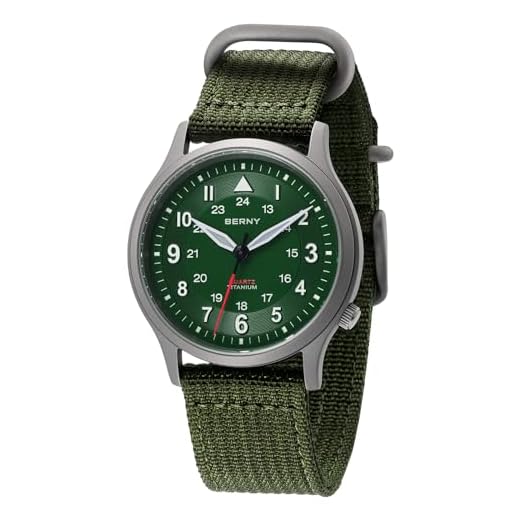

Pay attention to the material of the wearable. Choosing options made from breathable fabrics or hypoallergenic materials can significantly enhance comfort and reduce irritation or pressure-related issues.
Do Fit Watches Cause Wrist and Hand to Ache
To avoid discomfort, select a model that fits snugly without being overly tight. Aim for a balance between stability and breathability, which can be achieved through adjustable straps. Monitor the duration of wear; prolonged use can lead to strain. Take breaks every hour to alleviate pressure and improve circulation.
Pay attention to the materials used; some individuals may react negatively to specific fabrics or metals, leading to irritation. If sensitivity occurs, consider switching to hypoallergenic options. Regular cleaning of the device can prevent skin issues and enhance comfort.
Adjust your usage based on physical activities. Engaging in repetitive motions while wearing the device may exacerbate soreness. Consider alternating the wrist upon which the device is worn during activities to distribute strain more evenly.
If discomfort persists, consult a healthcare professional to rule out underlying conditions such as tendinitis or carpal tunnel syndrome. Early intervention can prevent further complications and provide tailored advice on usage and ergonomics.
Understanding the Design of Fit Watches
A key aspect to consider is the material composition. Many models utilize silicone or polymers for comfort, while others may incorporate stainless steel or leather for style. Selecting a model that suits your skin type can mitigate discomfort.
Weight and Size Considerations
The weight distribution is crucial; a balanced design can minimize stress. Opt for a product that feels lightweight on the arm. In addition, the size of the device should correspond with your forearm dimensions to ensure it sits snugly without causing pressure points.
Strap Adjustability
Examine the adjustability of the strap. A flexible strap allows for a customizable fit, accommodating varying wrist sizes and providing necessary mobility. Look for options with multiple sizing holes or those that utilize a loop system for a secure yet comfortable hold.
Identifying Symptoms of Discomfort
To address unease while using a smart accessory, monitor for specific indicators. Sensations of tightness, numbness, or tingling in the surrounding areas may suggest improper fit or excessive pressure. Evaluate whether these symptoms worsen during extended usage or specific activities, pinpointing potential triggers.
Common Indicators
| Symptom | Description |
|---|---|
| Redness | Visible irritation or discoloration on the skin beneath the device. |
| Swelling | Enlargement of the area due to fluid retention or pressure. |
| Persistent Discomfort | A lingering sensation of strain or soreness during or after use. |
| Temperature Changes | Variations in warmth or coolness around the device’s contact points. |
Adjusting the attachment to ensure it is neither too loose nor too snuggly can prevent these issues. Taking regular breaks can also mitigate discomfort, allowing the skin to recover and minimizing strain on joints. If problems persist, exploring alternative designs might prove beneficial.
Common Causes of Wrist Pain from Fit Watches
Inadequate sizing is a primary factor contributing to discomfort. A unit that is too tight can restrict blood flow, while one that is excessively loose may slide around, causing friction and irritation. Regularly assessing the fit is essential to prevent these issues.
Material Sensitivity
Certain materials can lead to allergic reactions or irritation. Common culprits include nickel, rubber, and certain plastics. Observing for redness or swelling at contact points can help identify problematic components.
Prolonged Use
Wearing a device continuously, especially during physical activities, can lead to overuse injuries. Removing the accessory during strenuous tasks allows the skin and muscles to recover, significantly reducing potential strain.
Another consideration is the weight of the gadget. Heavier designs can lead to fatigue and strain over extended periods. Opting for lightweight alternatives may alleviate some of these challenges.
Proper placement can also play a role. Achieving an optimal position above the bony prominence can enhance comfort and accuracy, minimizing undue stress on surrounding tissues. Regular adjustments based on activity can further mitigate discomfort.
Improving Fit and Comfort of Your Watch
To enhance the comfort of your wearable device, adjust the strap to achieve a snug yet comfortable fit. Aim for a balance where it securely rests on the skin without excessive pressure.
- Choose materials that are breathable, such as silicone or fabric, to reduce irritation.
- Consider adjusting the position of the device on your arm; wearing it slightly higher or lower may alleviate discomfort.
- Regularly clean the strap and the area beneath it to prevent sweat buildup and skin reactions.
- Switch to a lighter model, if possible, to minimize the weight felt on the arm.
- Incorporate breaks into your routine; temporarily remove the device during prolonged use to relieve pressure.
- Verify that the watch does not pinch or compress surrounding tissue; adjust accordingly.
Altering the band size can also be beneficial. If your current configuration doesn’t suit your physique, consult the manufacturer for alternative sizing options or replacement bands.
Utilizing protective accessories, like watch cushions or protective sleeves, can provide added comfort. These additions can create a buffer between the device and the skin, reducing friction.
Stay vigilant for changes in comfort levels, and be proactive about making adjustments or seeking alternatives that prioritize ease of wear.
When to Seek Professional Help for Pain
Consult a healthcare professional if discomfort persists beyond a few days, significantly limits movement, or worsens over time. Immediate attention is necessary if you experience numbness, tingling, swelling, or a reduced range of motion. These symptoms may indicate an underlying issue requiring specialized care.
If the pain is accompanied by fever, severe swelling, or noticeable changes in skin color, seek help urgently. These signs could point to an infection or other serious conditions. Persistent pain that interrupts sleep or daily activities should also prompt a visit to a medical expert.
Pay attention to how your body responds during physical activities. If the pain intensifies with specific movements, it may indicate a strain or injury needing diagnostic evaluation. Early intervention often prevents more severe complications, so do not hesitate to reach out for help when in doubt.
Alternatives to Traditional Fitness Trackers for Monitoring Activity
Consider replacing conventional tracking devices with these options:
- Smartphone applications: Utilize built-in sensors and GPS to monitor movement without a wearable device.
- Fitness apps on tablets: Larger screens may enhance usability and visibility of fitness data.
- Chest straps for heart rate monitoring: Often provide more accurate heart rate measurements than wrist-based options.
- Foot pods: Attach to shoes to track distance and speed, offering a lightweight alternative.
- Hybrid devices: Opt for smart jewelry that tracks activity discreetly without the bulk of traditional models.
- Manual tracking: Use notebooks or spreadsheets to log workouts and daily activity, allowing for personalized tracking.
Evaluate your activity needs to determine the most suitable alternative. These methods can provide valuable insights while minimizing discomfort commonly associated with wearable trackers.