
 Ethan Cole
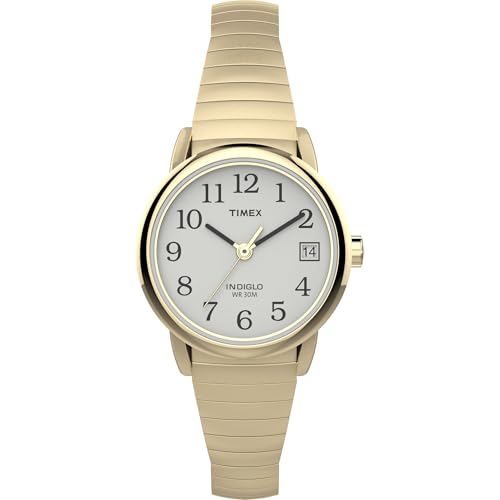
The recommendation is to wear your timepiece on the non-dominant side. For most individuals, this means placing the accessory on the right wrist if you are right-handed, or on the left wrist if you are left-handed. This positioning helps minimize wear and tear during daily activities.
Wearing your timekeeper on the opposite side allows for more comfortable movement, as it reduces the chances of accidental bumps or scratches. Additionally, it presents a more aesthetically pleasing view of the device when checking the time, particularly during social interactions or business meetings.
Consider the style and purpose of your accessory as well. If you prefer a more casual appearance, both wrists may serve well. However, if wearing more formal attire, adhering to traditional norms often suggests sticking with the non-dominant wrist. This subtle choice can enhance your overall appearance while maintaining practicality.
Choosing the Right Side for Timepieces
Traditionally, the left side is preferred for fastening timepieces, primarily due to practicality and comfort. This orientation allows for easier adjustments without removing the item.


However, personal preference and lifestyle can influence this choice. Individuals who are left-handed often opt for the opposite side to ensure ease of access and usability.
Considerations for Selection
- Comfort Level: Assess which side feels more natural during daily activities.
- Wrist Size: Choose the side that accommodates the design while maintaining a secure fit.
- Type of Activity: If engaging in sports or manual labor, prioritize functionality over aesthetics.
Styles and Trends
- Fashion Statements: Many wearers choose the left side for aesthetic appeal, as it is more commonly seen.
- Technology Integration: Smart devices may influence the side due to notifications or accessibility features.
Determining Your Dominant Hand for Timepiece Wearing
Identify your dominant side by observing which one you primarily use for daily tasks like writing or eating. Most individuals choose to adorn their left side if they are right-handed, while those who favor their left side may opt for the opposite. This accords with the preference to keep the less active side free from interference.
Consider your lifestyle and activities. If you engage in sports or physical work, wearing your timepiece on the non-dominant side can minimize the risk of damage. Additionally, wearing on the dominant side may feel more natural for quick glances at the time.
Some individuals enjoy wearing their timepieces on the opposite side simply for style or aesthetic reasons. Experiment with both placements to determine what feels more comfortable and practical for your personal habits.
| Dominant Side | Timepiece Placement | Reason |
|---|---|---|
| Right | Left | Freeing dominant side for tasks |
| Left | Right | Comfort and style preference |
| Right | Right | Quick access needed |
| Left | Left | Comfort with frequent use |
Your choice may also be influenced by fashion trends. Observing how others wear their timepieces can provide inspiration and guide your decision regarding placement. Ultimately, prioritize personal comfort and practicality above all.
Why Right-Handed People Often Wear Timepieces on the Left
Right-handed individuals typically position their timepieces on the left wrist due to practicality and convenience. This common practice serves to minimize the risk of damage and to facilitate easier adjustments.
- Protection: Wearing a timepiece on the left keeps it away from frequent movements associated with dominant movements. This reduces wear and tear.
- Accessibility: Adjusting or checking the time is simpler. Right-handed people can easily use their dominant hand to manipulate the clasp or buttons without awkward positioning.
- Comfort: The left side often experiences less strain, offering a more comfortable fit throughout daily activities.
- Aesthetics: Many designers create timepieces with the expectation that they will be worn on the left, influencing style and design choices.
This pattern isn’t just a habit; it aligns with the natural tendencies of right-handed individuals, making it the preferred method when selecting styles and functionality.
Considerations for Left-Handed Watch Wearers
Left-handed individuals should wear timepieces on the right side to optimize functionality and comfort. This positioning allows for easier access and adjustment without interference from dominant activities.
Choosing the Right Fastening Method
Consider the type of closure when selecting a timepiece. Buckles and clasps designed for left-handed wear may provide a better fit and facilitate quick adjustments. Additionally, some designs feature reversible or ambidextrous features, catering specifically to left-handed needs.
Style and Design Features
Opt for models with easily readable displays, as visibility may be affected by wrist position. Timepieces with larger faces or distinct markings enhance usability. Furthermore, styles with a symmetrical design could appeal more to left-handed users, providing a harmonious look on the right arm.
Wrist Accessory Styles and Their Preferred Wearing Side
Different styles of wrist accessories can influence the choice of wearing side. Classic timepieces with leather straps often appeal to traditionalists who prefer comfort and style. Such accessories are typically worn on the non-dominant side to prevent distractions during daily activities.
Sporty Models
Sporty models, designed with durability in mind, are frequently seen adorning the dominant side. This enables easier access during physical activities and showcases the piece during events, promoting visibility.
Smart Gadgets
Smart devices are frequently adjusted while multitasking, suggesting a preference for the dominant side, especially if frequent notifications are expected. Their multifunctionality often makes placement on the active side more practical to ensure quick engagement.
Functionality: Benefits of Wearing a Timepiece on Each Side
Choosing between the left or right side impacts convenience and functionality. Placing an accessory on the left facilitates easy adjustments and viewing, especially for right-handed individuals who maneuver items with the dominant side. This arrangement minimizes interference with daily tasks.
Conversely, adorning the right side may boost comfort for left-handed users. This adjustment can reduce the likelihood of accidental scrapes and bumps against objects, making it suitable during active engagements. Additionally, specific styles and designs may be better suited to various placements, influencing overall aesthetic appeal.
Functionality and Daily Activities
The position of a timepiece plays a role in ergonomics. A right-side placement may offer enhanced visibility for left-handed individuals when writing or using gadgets, while right-handed users may prefer the left for quick glances. Understanding how the positioning intersects with personal habits enhances efficiency in everyday activities.
Aesthetic Considerations
The visual aspect varies between positions. Personal style influences choices; some individuals may prefer symmetry, opting to balance an accessory with other jewelry. Ultimately, selecting a preferred side is a reflection of personal taste and practicality.
Adjusting Comfort and Fit Based on Wearing Side
For optimal comfort, ensure that the timepiece fits snugly yet comfortably around the chosen wrist. A good guideline is to allow a slight movement of the accessory without it sliding up and down excessively. If wearing on the left, the watch should sit just above the wrist bone, while ensuring there’s adequate space for movement without pinching the skin.
For greater ease with functionality, align the watch face towards the inside of the arm. This setup allows for simple adjustments and time checks without compromising the accuracy of the measurements, especially during physical activities. For individuals active in sports, consider models with adjustable bands made of flexible materials to accommodate varying wrist sizes during workouts.
Regular adjustments to strap length can enhance long-term comfort. A leather strap can stretch over time, while metal links may require resizing. Be mindful of seasonal changes in body temperature, which can affect wrist size; opt for a slightly looser fit in warmer months and a more snug fit in cooler periods.
Using a watch with a spinning bezel feature can improve usability when engaged in hands-on tasks, as it enables quick timing without removing it. Avoid bulky designs if engaged in intricate activities, as they may hinder movement or cause discomfort.
Lastly, consider the weight of the timepiece. Lightweight materials ensure prolonged wear without discomfort, especially for those who prefer longer durations of use. Aim for a blend of style and ease of wear, providing practicality and aesthetics in any setting.



