
 Ethan Cole

Recent market analysis suggests that the demand for timepieces continues to thrive, demonstrating resilience against the rise of smartphones. Affluent demographics are increasingly turning to these accessories, not merely for functionality but as a statement of style and status. In 2022, the global watch market reached an estimated $80 billion, with luxury segments experiencing significant growth.
For individuals seeking to enhance their personal collection, a focus on quality craftsmanship and brand heritage can lead to wise investments. Brands that combine traditional artistry with innovative technology are especially appealing. Research shows that timepieces from renowned makers tend to retain or increase their value, often surpassing the appreciation of typical assets like stocks or real estate.

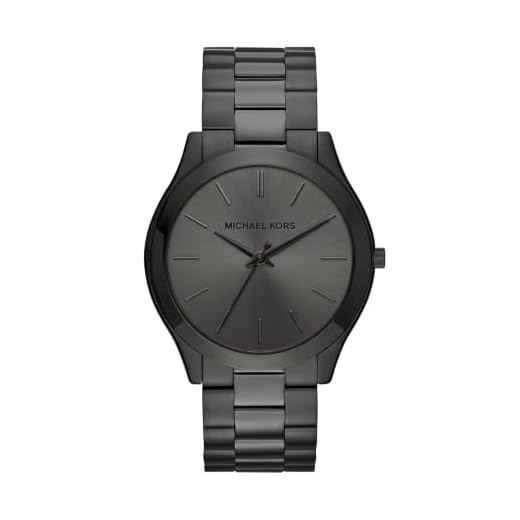

Engaging with the watch community through online platforms and forums has become vital for enthusiasts and collectors alike. Sharing knowledge about trends, designs, and upcoming releases fosters a more informed purchasing process, ensuring wise choices in an increasingly saturated market.
Do People Still Acquire Timepieces?
Yes, acquiring timepieces remains prevalent among individuals despite the rise of smart devices. The charm of analog devices combined with their unique designs appeals to a diverse audience.
Factors Driving Acquisition
- Fashion Statement: Many view time tollers as essential accessories that enhance personal style and showcase fashion sensibilities.
- Collectibility: Limited editions and luxury brands attract collectors, making these items sought-after investments.
- Functionality: Although digital solutions exist, some prefer the straightforwardness of mechanical devices, which offer reliability without battery dependency.
Market Insights
According to recent market analysis, the global timepiece market is projected to reach approximately $80 billion by 2025. This growth is attributed to rising disposable incomes and newfound appreciation for craftsmanship.
Enthusiasts often seek vintage items, leading to a surge in second-hand purchases. Auctions for rare models frequently achieve impressive bids, reflecting their enduring desirability.
Brands have adapted marketing strategies to appeal to younger demographics, leveraging social media platforms to promote their unique offerings.
Overall, the acquisition of timepieces remains a vibrant segment, bridging tradition with contemporary trends.
The Decline of Traditional Watch Sales: Trends and Data
Recent statistics reveal a significant downturn in traditional timepiece purchases. Sales have dropped by approximately 20% over the last five years, influenced by the rise of smart technology and shifting consumer preferences. For instance, in 2022, it was reported that smart timepieces accounted for nearly 40% of the global market share, marking a sharp contrast to the more classic designs.
Market Analysis
A detailed examination of consumer behavior indicates that younger demographics are gravitating towards multifunctional devices that integrate health tracking, notifications, and connectivity. This shift is underscored by a survey showing that 60% of individuals aged 18-34 prefer wearable tech over traditional timekeeping devices. In response, established brands are adjusting their strategies, with a noticeable increase in collaborations to produce hybrid models that blend classic aesthetics with modern technology.
Future Projections
Looking ahead, the forecast suggests that the decline in conventional timepiece sales may persist unless manufacturers innovate. Predictions indicate a potential further decline of 15% in the next five years, unless brands adapt to evolving trends. Investing in sustainability and unique designs could attract a new audience, combining heritage with contemporary expectations. Brands must also consider enhancing online presence to compete in an increasingly digital retail environment.
Smartwatches vs. Traditional Timepieces: Consumer Preferences
Recent surveys indicate a noteworthy shift in purchasing choices, as many consumers prioritize functionality over tradition. Smart timekeeping devices have surged in popularity, offering features such as health monitoring, notifications, and connectivity that resonate with tech-savvy individuals.
Feature Appeal
Smart gadgets often captivate those who value functionality. Data shows that over 60% of new purchasers consider health tracking features crucial. In contrast, classic models appeal to a demographic valuing aesthetics and craftsmanship. Approximately 40% of enthusiasts appreciate the artistry of traditional designs, opting for them as status symbols than mere time indicators.
Market Dynamics
Statistical analysis reveals that smartwatch sales grew by 30% in the past year, while sales for traditional models declined by 10%. This trend indicates a shifting focus towards integrated technology and away from conventional styles. Brands are now blending both worlds, creating hybrid solutions that combine analog aesthetics with digital functionality, catering to diverse tastes.
The Role of Luxury Timepieces in Modern Fashion Statements
Investing in high-end timepieces serves as a powerful means of self-expression and status elevation. These exquisite items have transitioned from mere tools for tracking time to symbols of sophistication, artistry, and wealth. A well-chosen watch can elevate an outfit, providing a subtle yet unmistakable touch of elegance.
Significance in High-End Fashion
Luxury timepieces enhance style narratives. Designers often endorse specific brands, turning select models into iconic fashion staples as they align with current trends. Major fashion houses frequently showcase timepieces on runways, solidifying their role in upscale wardrobes.
Statistics reveal that affluent customers prioritize quality over quantity. A report by Bain & Company highlights a growing preference for fewer luxury items with higher craftsmanship, reflecting a shift toward sustainable luxury. This trend underscores the notion that ownership of a single exceptional piece transcends having multiple lesser-quality accessories.
Symbol of Status and Identity
Premium timepieces also convey more than aesthetics; they embody personal identity and values. Ownership signifies taste and discernment, often sparking conversations and connections. Collectors frequently partake in exclusive events, blending social engagement with passion for horology.
In the realm of fashion, maintaining an updated collection of luxurious gadgets is paramount. Emerging brands are innovating, combining traditional artistry with contemporary designs, attracting younger demographics. The appeal of these timepieces continues to grow, ensuring they remain central to sophisticated style in modern attire.
In conclusion, high-end timepieces are an indispensable aspect of contemporary fashion, offering individuals a chance to reflect their personality while making a statement of elegance and refinement.
How Timepieces Fit into Today’s Digital Lifestyle
Incorporate traditional timepieces as a stylish accessory to complement digital devices. Rather than replace functionality, these items can enhance personal style while providing a break from screen time.
Statistics indicate that 50% of individuals favor analog options over smart alternatives for social events. The tactile experience of winding a mechanical watch offers a moment of mindfulness, contrasting the constant notifications from smart devices.
Luxury models serve as status symbols, with a 10% increase in sales among high-end brands, highlighting their role in prestige. Analysts predict this segment will comprise 30% of the overall market by 2025, as consumers seek craftsmanship and heritage.
Illuminating health benefits, wearing an analog piece can encourage healthier habits; studies reveal that wearing a non-digital device can reduce anxiety associated with technology overload. In addition, design trends show a resurgence in vintage styles, enhancing their appeal among millennials and Gen Z, who value authenticity.
In summary, incorporating classic timekeeping devices alongside modern gadgets strengthens both functionality and fashion, catering to diverse preferences while promoting a balanced lifestyle.
Future Prospects for the Watch Industry: Predictions and Innovations
Focus on hybrid models that integrate traditional craftsmanship with modern technologies. These innovative products can attract both enthusiasts and tech-savvy consumers, bridging the gap between classic designs and smart functionalities.
Market analysis suggests a rise in sustainable materials in timepiece production. Brands adopting eco-friendly practices and utilizing recycled components are likely to resonate with environmentally conscious clientele. Emphasizing transparency in sourcing can enhance brand loyalty.
Incorporate advanced health monitoring features. With an increasing emphasis on wellness, timekeepers with integrated health tracking such as heart rate monitoring, sleep analysis, and stress management tools can capture a wider audience. Collaborative efforts with health-focused tech firms may drive this trend further.
| Trend | Impact |
|---|---|
| Hybrid Models | Wider customer base appeal |
| Sustainability | Enhanced brand loyalty through eco-consciousness |
| Health Monitoring | Attraction to wellness-focused consumers |
Augmented reality (AR) experiences for customization can provide unique engagement opportunities. Implementing AR technology allows potential buyers to visualize timepieces on their wrists, enhancing the buying experience and reducing return rates.
As the vintage market continues to flourish, investing in unique heritage pieces can yield significant returns. The growth in pre-owned and antique segments indicates a shift in consumer preferences towards quality and history.
FAQ:
What types of wrist watches are most popular among consumers today?
The popularity of wrist watches can vary widely among consumers, but some categories stand out. Luxury watches, such as those from brands like Rolex and Omega, remain highly sought after due to their craftsmanship and status. On the other hand, smartwatches have surged in popularity, appealing to tech-savvy individuals who appreciate fitness tracking and notifications on their wrists. Additionally, vintage and retro styles have come back in fashion, attracting collectors and those who enjoy unique designs. This diverse range of options ensures that there is a wrist watch for everyone, regardless of their preferences or lifestyle.
Are wrist watches becoming obsolete due to the rise of smart technology?
While the rise of smart technology has transformed many aspects of daily life, wrist watches have not become obsolete. Many people still buy watches for their aesthetic appeal, status, and the craftsmanship involved in creating mechanical timepieces. Some individuals enjoy wearing a watch as a personal accessory that reflects their identity or style. Moreover, the watch industry has also adapted by creating hybrid models that incorporate smart features while still retaining traditional watch aesthetics. As a result, wrist watches continue to thrive alongside smart technology, filling a unique niche in the market.
Do people still prefer to buy traditional wrist watches over smartwatches?
Many consumers continue to purchase traditional wrist watches, appreciating their craftsmanship, aesthetic appeal, and timeless design. While smartwatches offer various functionalities, traditional watches often symbolize elegance and status. Collectors and enthusiasts value the intricate mechanisms and artistry involved in watchmaking. Furthermore, traditional watches can serve as heirlooms or fashion statements, appealing to those who prioritize style over technology. This segment of the market remains strong, indicating a lasting appreciation for classic timepieces.



