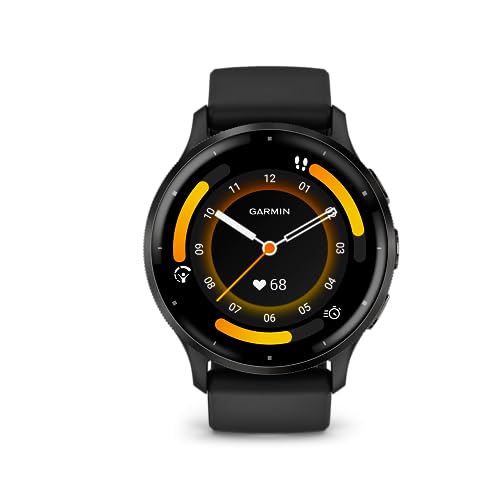
Ethan Cole
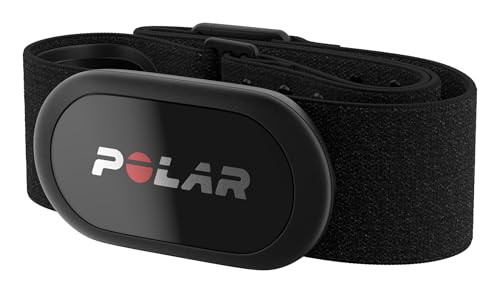
For individuals prioritizing fitness and health, wearable devices can provide valuable insights. These gadgets generally offer a range of data, including pulse measurements that can assist with training and recovery strategies. However, users should approach their findings with a critical mindset.
Research indicates that optical sensors utilized in such devices frequently produce results within a reasonable range of standard clinical devices under optimal conditions. Yet, discrepancies can occur due to factors like movement, skin tone, and device placement. In scenarios involving high-intensity activities or significant arm motion, the readings may become less reliable.
To optimize the usage of these gadgets, users are encouraged to ensure optimal fit and placement, preferably on the underside of the wrist, and to limit excessive arm movements during high-energy workouts. Comparing findings with established monitoring methods, such as chest straps, can also provide insight into the accuracy of the data being recorded.
Regular calibration and understanding the limitations of these trackers can enhance their utility, allowing fitness enthusiasts to make informed decisions based on the data they receive.
Understanding the Technology Behind Wrist Watch Heart Rate Monitors
Opt for devices utilizing photoplethysmography (PPG) technology for optimal performance. This method involves shining a light through the skin and measuring the amount of light absorbed or reflected, which correlates to blood flow.


Consideration for placement is key. Optimal sensor accuracy is generally achieved when the device is snug against the wrist, minimizing motion artifacts. Ensure the fit does not compromise comfort while preventing excessive movement.
Multi-wavelength sensors provide enhanced readings by utilizing different light wavelengths to improve detection of variations in blood volume. Devices equipped with advanced algorithms analyze these signals, filtering out noise created by wrist movements or ambient light changes.
Utilizing accelerometers can enhance performance, as they help differentiate between rest and activity states, allowing the device to adjust its measurement calculation, yielding more precise readings during dynamic movements.
Regular calibration boosts accuracy. User feedback can improve algorithms over time, especially in varying skin tones and conditions that might affect readings. Manufacturers often release updates, so keeping firmware current is beneficial.
Battery life can impact performance. A low battery may lead to compromised functionality, affecting the integrity of measurements. Consider charging strategies to maintain full power during use for reliable data collection.
Factors Affecting Heart Rate Measurement Accuracy
To enhance precision in pulse detection, consider the following elements:
- Skin Tone: Darker skin pigmentation can impact the sensor’s ability to detect blood flow, leading to potential discrepancies in measurements.
- Body Movement: Excessive motion during activities can cause artifacts in the signal, resulting in unreliable readings. Aim for stillness when recording data.
- Wrist Position: A snug fit on the wrist improves sensor contact and accuracy. Ensure the device is worn at the correct location, ideally above the wrist bone.
- Ambient Temperature: Cold conditions can restrict blood vessels, influencing results. Keep the wrist warm for optimal performance.
- Battery Life: Low power levels may compromise sensor function. Regularly charge the device to maintain reliability.
- Hydration Status: Dehydration affects blood volume and may skew results. Stay hydrated for consistent readings.
- Clothing and Accessories: Tight clothing or accessories around the wrist can interfere with sensor accuracy. Wear minimal layers during use.
- Fitness Level: Trained individuals may exhibit different pulse characteristics than non-trained persons, affecting how sensors detect changes.
Addressing these factors can significantly improve the reliability of measurements from wearable devices. Regular calibration or comparison with medical devices can also enhance the data’s validity.
Comparing wrist devices with chest strap devices
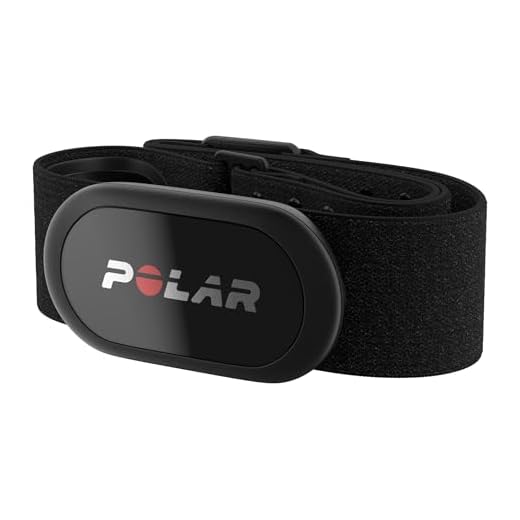
For those seeking precise biometric feedback, chest strap devices generally outperform their wrist counterparts, especially during intense physical activities. Studies indicate a discrepancy, with many tests showing chest straps maintain an accuracy of around 95% to 99% in various exercise scenarios.
Wrist-based units, in contrast, can exhibit variability, often showing deviations ranging from 10% to 30% depending on activity intensity and individual physiological factors. This potential for inconsistencies is often exacerbated by factors like skin tone, body movement, and the fit of the device.
| Comparison Factor | Chest Strap Devices | Wrist Devices |
|---|---|---|
| Accuracy | 95% – 99% | 70% – 90% |
| Comfort During Use | Less Comfortable | More Comfortable |
| Data Reliability in Exercise | High | Variable |
| Use Cases | High-intensity workouts, professional training | Casual fitness, daily tracking |
Choosing between these tools should reflect personal objectives. For high-performance training, a chest strap is often more suitable, whereas wrist devices cater well to fitness enthusiasts looking for convenience and daily tracking. Individual comfort and specific needs should guide the decision.
Real-world accuracy: Studies and user experiences
Research indicates that optical sensors in fitness devices can vary in performance based on usage conditions. A study published in the Journal of Sports Sciences revealed that discrepancies in readings often occur during high-intensity exercises, where motion artifacts can distort signal clarity.
Users frequently report mixed experiences. Many find that during steady-state activities, such as jogging or walking, the readings are closely aligned with clinical measurements. However, during more dynamic movements like sprinting or circuit training, fluctuations in data become apparent, leading to potential misinformation about exertion levels.
A survey conducted among users highlighted that approximately 70% trust the feedback for casual fitness tracking but express caution when relying on it for precise training or health monitoring purposes. High variability in performance is noted among different brands: some models excel in specific conditions while others underperform.
Inconsistent fit on the wrist can further complicate reliability; users with smaller or larger wrists may experience degraded results due to improper sensor contact. Regular calibration against chest-based systems has been found beneficial for those seeking refined analysis.
Ultimately, individual experiences with these devices underscore the importance of consulting with healthcare professionals if precise data is needed for managing specific health conditions. The growing body of research, combined with user insights, paints a broader picture of the capabilities and limitations of contemporary heart monitoring solutions worn on the wrist.
Improving the Precision of Your Device for Heart Monitoring
Ensure a snug fit on your wrist; too loose can lead to erroneous readings. Try wearing the device just above the bony prominence of your wrist for consistent performance.
Clean the sensor area regularly to eliminate sweat, lotion, or dirt that might interfere with light transmission. Use a soft, damp cloth to wipe the sensor gently.
Keep your skin hydrated; dehydration can affect blood flow and consequently influence readings. Drinking sufficient water aids in maintaining accurate measurements.
Optimize your workout settings. If your device has workout modes, utilize them to improve tracking during various activities, as these modes are designed to enhance measurement during exercise.
Synchronizing with Companion Apps
Utilize accompanying mobile applications to track trends and anomalies over time. Regular analysis can help correlate readings with your physical condition, making it easier to identify inconsistencies.
Positioning During Use
Avoid excessive arm movement while taking measurements. For optimal readings during workouts, try to maintain a steady arm position. Also, provide the monitor with a moment to calibrate before beginning any activity for best results.
Limitations of wrist watch heart rate monitors in specific activities
For high-intensity workouts such as sprinting or circuit training, these devices may struggle due to rapid changes in blood flow and frequent shifts in wrist position. Athletes often notice discrepancies, with readings lagging behind actual exertion levels.
When engaged in swimming, water resistance can interfere with the optical sensors, leading to inaccurate data capture. For those who rely on aquatic training, utilizing an alternative method is advisable.
Impact of external factors
Environmental conditions, such as extreme temperatures or high humidity, can alter sensor performance. Opt for activities in stable weather to enhance output reliability. Additionally, wearing tight clothing may restrict circulation, affecting measurement precision.
Influence of body composition
Individuals with higher body fat percentages or those not acclimated to regular exercise might experience compromised readings. Tailoring expectations based on personal fitness levels can provide a clearer picture of efficacy and usage.
While these devices serve well for general monitoring, fitness enthusiasts should consider activity type and individual circumstances to achieve optimal performance from their devices.
FAQ:
What factors can affect the accuracy of wrist watch heart rate monitors?
Accuracy can be influenced by several factors including the fit of the watch, the position on the wrist, skin tone, and movement during activity. A watch that is too loose or worn over clothing may not pick up heart rate signals accurately. Additionally, excessive wrist movement or activities that generate considerable vibrations can disrupt readings. Cold weather conditions may also affect blood flow and sensor performance. It’s advisable to ensure the watch fits snugly against the skin for the best results.
Are wrist watch heart rate monitors accurate compared to chest strap monitors?
Generally, wrist watch heart rate monitors are considered less accurate than chest strap monitors. Chest straps use electrocardiogram (ECG) technology to measure heartbeats directly from the heart, which tends to be more reliable during intense physical activity. In contrast, wrist monitors rely on optical sensors that can struggle with accuracy under similar conditions, especially with high movements or during intense workouts. However, wrist monitors are often more convenient and comfortable for everyday use and can still provide valuable insights for casual fitness tracking.
How precise are wrist watch heart rate monitors compared to traditional methods?
Wrist watch heart rate monitors typically rely on optical sensors to measure heart rate by detecting blood flow through the skin. While they can provide a quick and convenient way to track your heart rate during activities, their accuracy may vary. Studies show that these devices can be less reliable than chest strap monitors, especially during high-intensity exercise or rapid movements. Factors such as skin tone, wrist placement, and sweat can also affect readings. For casual use and general fitness tracking, wrist monitors are generally sufficient, but for more precise measurements, especially in clinical or competitive settings, a chest strap or medical device is recommended.