
 Ethan Cole

For consistent readings, select devices with optical sensors that utilize multiple LEDs and photodiodes. These features significantly enhance the detection of blood flow variations, providing more reliable insights into one’s cardiovascular activity.
Research highlights that while many modern wearables can estimate beats per minute with reasonable accuracy, discrepancies may arise under certain conditions. Factors such as ambient light interference and motion can impact results. Thus, ensuring a snug fit during physical activity is recommended to maintain optimal performance.
Clinical studies indicate that multi-device comparisons often expose a margin of error in readings, typically ranging from 5-10 BPM. Regular calibration with established methods or cross-referencing with an ECG can assist in assessing the precision of your chosen gadget.

When integrating these gadgets into wellness routines, users should remain vigilant and not rely solely on them for medical diagnoses. Awareness of their limitations fosters a balanced approach toward fitness monitoring and personal health management.
Measurement Precision of Fitness Trackers
The precision of fitness trackers in measuring pulse can be influenced by various factors. Users should ensure that the device fits snugly on the wrist. A loose strap may lead to inaccurate readings due to movement and light interference. Studies indicate that these gadgets can have a variability of 5 to 15 beats per minute when compared to chest strap devices, especially during intense activities.
Conditions Affecting Accuracy
<p.Environmental conditions significantly impact performance. For instance, extreme temperatures can disrupt sensor functionality. Skin tone and tattoos can also affect measurements, with darker skin or body art potentially skewing results. Regular calibration and updates of the device's software can enhance reliability.
Recommendations for Optimal Use
<p.To achieve the best results, users should keep the sensor area clean and dry. Engaging in consistent testing under similar conditions will yield more reliable data. Consulting fitness communities or manufacturer guidelines can provide valuable insights into maximizing the accuracy of readings.
Understanding the Technology Behind Wrist Heart Rate Monitors
Opt for optical sensors for tracking beats. These tools utilize light emitted by LEDs to gauge blood volume changes beneath the skin’s surface, providing real-time information.
Key components involved include:
- LEDs: Emit green or infrared light; absorption by blood indicates pulse.
- Photodiodes: Detect reflected light; measure blood flow alterations.
- Algorithms: Analyze raw data for reading accuracy; filter noise and enhance signal clarity.
Performance assessments often highlight the influence of motion. Studies indicate accuracy diminishes during intense activity due to wrist movement and body position. Consider the following tips to improve precision:
- Ensure a snug fit to minimize movement.
- Use devices with advanced sensors for dynamic environments.
- Opt for software updates regularly for enhanced algorithms.
Calibration is another aspect crucial for dependable readings. Regularly checking results against alternate methods can reveal deviations, allowing adjustments to settings for more precise measurements.
Expect variability based on factors such as skin tone and ambient conditions. Darker skin may absorb more light, affecting sensor performance. For better results, prefer monitors designed for diverse demographics.
Incorporating multi-sensor technology can also enhance the fidelity of readings. Devices combining optical and electrical sensors provide more robust and consistent information by cross-validating data from different sources.
Factors Influencing Heart Rate Monitor Accuracy
Placement of the device plays a significant role in measurement precision. Positioning directly on the wrist, with optimal contact to the skin, allows for better light absorption and reflection, enhancing performance. Ensure the strap is secure but not overly tight, which can hinder blood circulation.
Skin tone can impact the functionality of these gadgets. Individuals with darker skin may experience reduced accuracy due to varying absorption properties of light. This variance can influence the sensor’s ability to detect pulse signals, making it important to acknowledge potential limitations when assessing data.
Activity type dramatically affects output. While basal readings during rest moments might provide reliable insight, high-intensity workouts can create noise and inaccuracies. For instance, jumping or rapid motion may disrupt signal integrity, leading to erroneous evaluations. It’s advisable to compare data from these gadgets with clinically validated options when engaged in strenuous activities.
Skin temperature is another determinant. Cold skin reduces blood flow, resulting in compromised readings. During colder climates, warming up the area through light movement or heat may help the unit deliver better readings. This adjustment can enhance performance when exercising in frigid conditions.
Individual physiological factors, including body composition and muscle mass, can skew accuracy. Devices may better interpret readings from individuals with less muscle density due to clearer blood flow patterns. Users with higher muscle mass might find fluctuations in volatility during fitness assessments, affecting the reliability of results.
| Factor | Impact on Performance |
|---|---|
| Device Placement | Direct contact and secure fit enhance signal detection. |
| Skin Tone | Darker skin can reduce light absorption efficiency. |
| Type of Activity | High-intensity moves may introduce inaccuracies. |
| Skin Temperature | Colder skin can hinder blood flow and affect readings. |
| Physiological Factors | Body composition can impact clarity of signals. |
Comparing Wrist-Based Monitors to Chest Straps
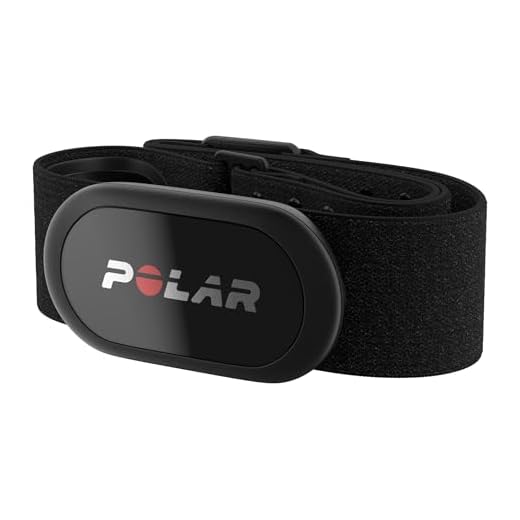
Chest straps generally deliver greater precision in detecting pulse fluctuations due to their direct contact with the body and use of electrocardiogram (ECG) technology. They typically measure electrical signals generated by heartbeats, ensuring reliable data, especially during intense physical activities.
In contrast, devices worn on the wrist rely on photoplethysmography (PPG), which utilizes light sensors to track blood flow. This method can be influenced by several factors, such as skin tone, ambient temperature, and movements. While advancements have improved PPG accuracy, it still falls behind the performance of chest straps in high-intensity situations.
Use Case Scenarios
For casual activities or daily monitoring, wrist-mounted gadgets are sufficient and convenient. They offer ease of use and comfort, allowing users to check their pulse on-the-go without the hassle of fastening a strap.
In contrast, athletes or individuals engaged in rigorous workouts may benefit more from utilizing a chest strap for precise analytics and real-time feedback for performance optimization. The choice ultimately rests on the specific needs of the user and their activity level.
Investment Considerations
Price points vary significantly. Wrist devices usually come at a lower cost, appealing to those new to fitness tracking. However, investing in a quality chest strap may yield better long-term data accuracy for serious fitness enthusiasts or those with health monitoring needs.
Ultimately, the decision depends on personal preferences and fitness goals; understanding the strengths and limitations of each option is essential for making an informed choice.
Real-World Testing: How Accurate Are Popular Models?
Recent evaluations demonstrate that devices from brands like Garmin, Fitbit, and Apple exhibit varying levels of precision when measuring pulse during different activities. Garmin Forerunner series consistently shows reliable performance, particularly during steady-state exercises such as running or cycling, achieving heart rate estimations within a 5% margin of error compared to medical reference devices.
Fitbit Charge models have garnered attention for their ability to track fluctuations precisely during moderate exertion, though accuracy tends to diminish during high-intensity efforts, with discrepancies reaching up to 10 beats per minute compared to electrocardiogram (ECG) readings.
Field Studies and User Feedback
Independent tests have revealed that the Apple Watch series excels in both stationary and dynamic scenarios, maintaining a near-perfect accuracy under controlled conditions. However, some users report variances when engaging in activities involving rapid arm movements, suggesting that positioning and skin contact play significant roles in measurement reliability.
Conclusion of Real-World Accuracy
Ultimately, while many of these devices offer a convenient alternative to traditional chest straps, users should be aware of their limitations. For athletes and fitness enthusiasts seeking precise measurements, cross-referencing with more conventional options may provide a more comprehensive understanding of cardiovascular performance during workouts.
Common Errors and Misinterpretations in Heart Rate Readings
To achieve reliable measurements, ensure the device fits snugly on the wrist. A loose strap can lead to inconsistent data. Regularly clean the sensor area, as dirt and moisture can interfere with performance.
Variability in Skin Tone and Thickness
Variations in skin pigmentation and subcutaneous fat can affect light absorption in optical sensors. Darker skin tones may experience less precise readings. Consider alternative monitoring techniques if discrepancies arise.
Movement and Positioning Issues
Excessive arm movement during exercise can lead to erroneous signals. Maintain a stable wrist position for optimal data collection. Avoid activities that cause the device to shift or twist, as this may result in inaccurate outputs.
Best Practices for Obtaining Accurate Heart Rate Measurements
Ensure a snug fit on your wrist, with the device positioned just above the wrist bone. This alignment improves sensor contact with the skin, enhancing detection quality.
Regularly clean the device and your skin to eliminate sweat or lotions that may interfere with sensor reading. Use a soft cloth to maintain optimal sensor performance.
Keep the monitor calibrated. Some devices may require periodic calibration against a standard for precision. Follow manufacturer guidelines for frequency.
Engage in steady-state activities when recording data. Rapid movements or sporadic actions can cause fluctuations that yield incorrect results. Record measurements during consistent, controlled motions.
Temperature Considerations
Avoid extreme temperatures. Low or high external temperatures can affect sensor accuracy. Aim for moderate weather conditions when tracking metrics.
Data Interpretation
Analyze trends over time instead of relying on single readings. Variability in results may occur due to different factors. Tracking long-term patterns provides a clearer picture of your physiological response.
FAQ:
How reliable are wrist watch heart rate monitors compared to chest straps?
Wrist watch heart rate monitors are generally less reliable than chest straps. This is primarily due to the sensor technology used in wrist watches, which often relies on optical sensors that can be affected by various factors such as movement, skin tone, and even the watch’s position on the wrist. Chest straps, on the other hand, use electrical sensors that provide more consistent and accurate readings. Studies have shown that while wrist monitors can perform well during steady state activities, they may struggle during high-intensity workouts or activities with a lot of arm movement.
Can wrist watch heart rate monitors be used for medical purposes?
Wrist watch heart rate monitors are not approved for medical use. They are designed primarily for fitness tracking rather than for diagnosing or monitoring medical conditions. While these devices can provide useful insights into a user’s heart rate during exercise, they may not meet the standards needed for medical accuracy. For monitoring heart conditions or other health issues, it is essential to use medical-grade equipment and consult healthcare professionals.
What factors affect the accuracy of wrist watch heart rate monitors?
The accuracy of wrist watch heart rate monitors can be influenced by several factors. Firstly, the fit of the watch is crucial; a loose or incorrectly positioned watch can lead to inaccurate readings. Skin tone and ambient light can also impact the effectiveness of optical sensors, which are commonly used in these devices. Furthermore, movements, especially during high-intensity activities, can create noise in the readings, leading to inconsistencies. Lastly, environmental factors like temperature and humidity may also play a role in measurement accuracy.
How can I improve the accuracy of my wrist watch heart rate monitor?
To enhance the accuracy of your wrist watch heart rate monitor, start by ensuring a snug fit on your wrist. The watch should remain in close contact with your skin for optimal sensor function. It’s also beneficial to keep the sensor area clean and free from any sweat or dirt. To obtain better readings during exercise, try to keep movements controlled and minimize wrist motion. Regularly calibrating your device according to the manufacturer’s instructions may also help improve its accuracy over time.
Are there specific activities where wrist watch heart rate monitors perform better?
Yes, wrist watch heart rate monitors tend to perform better during steady-state activities such as walking, jogging, or cycling at a consistent pace. During these activities, the monitors can provide fairly accurate heart rate readings since there is less arm movement to disrupt the sensors. However, during high-intensity interval training (HIIT) or activities involving a lot of arm motion, their accuracy may decrease. Users should be mindful of these limitations when choosing to rely on wrist-based heart rate monitoring for performance metrics in more dynamic activities.


