
 Ethan Cole

The ideal placement of a timekeeping accessory should allow for comfortable movement while ensuring it remains securely in position. Aim for the piece to sit snugly against the wrist without any restriction, allowing for a slight pinch of skin underneath if necessary. A distance of about two fingers between the band and your wrist is often a good guideline.
Consider the weight and dimensions of the item as a key factor for comfort. A heavier model might require a slightly looser arrangement to avoid discomfort, while lighter designs may fit more securely. The material of the strap also plays a significant role; softer materials like leather may stretch slightly over time, making them feel more adaptable as you wear them.

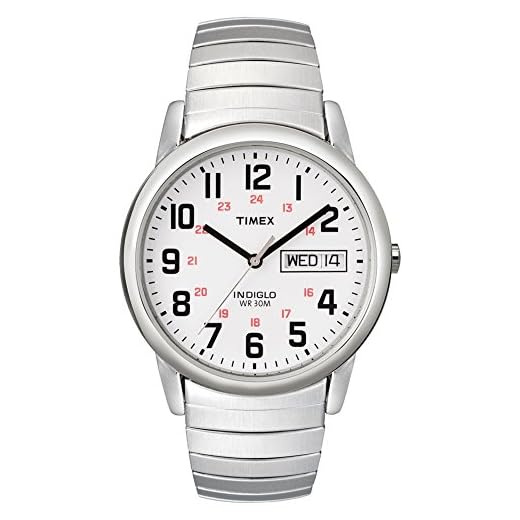

To determine the appropriate size, measure the circumference of your wrist at its widest point. Use this measurement to select a size that accommodates your comfort preferences while maintaining functionality. If you’re in doubt, opting for an adjustable band can provide flexibility and ensure the perfect fit over various situations.
Optimal Size and Comfort for Timepieces
The ideal size for a timepiece is based on wrist circumference. For men, a diameter of 38mm to 46mm is common, while women typically prefer 28mm to 40mm. Consider your wrist’s width when selecting a model to ensure it complements your proportions.
Strap Length and Material
Strap length varies. A snug fit is key; it should slide under your finger without excessive pressure. Common materials include:
- Leather: Offers a classic look, tends to stretch slightly over time.
- Metal: Durable; adjust links for a tailored fit.
- Rubber: Ideal for sports; adjustable and comfortable in varied conditions.
Positioning on the Wrist
Placement affects both functionality and comfort. The ideal position is just above the wrist bone. This allows for:
- Easy readability of the face.
- Minimal movement during activities.
- Reduced risk of damage.
Adjustments can be made to improve accuracy in fitting. Seek professional advice if necessary to ensure maximum comfort and style.
Understanding Wrist Size Measurements
To achieve an optimal experience with your timepiece, measure your circumference accurately. Wrap a flexible measuring tape around your wrist, ensuring it sits just above the wrist bone, and note the measurement where the tape overlaps. If you lack a measuring tape, utilize a piece of string and a ruler for the same purpose.
Choosing the Right Size
After obtaining your circumference, compare it to size charts provided by brands or retailers. Most manufacturers offer sizes in millimeters or inches. For a snug feel, select a size that matches your measurement precisely. For a looser fit, consider adding an extra quarter-inch to your measurement.
Adjusting for Comfort
To ensure comfort, factor in the weight and style of the timepiece. For heavily designed models, opt for slightly more room to accommodate movement. In cases of fluctuating wrist size due to changes in temperature or activity, choose an adjustable strap option for flexibility.
Choosing the Right Watch Style for Your Wrist
Select a timepiece that complements your arm shape and size. For slimmer arms, opt for smaller case diameters, typically between 34mm to 38mm. A larger case, around 40mm and above, suits broader frameworks. Consider the thickness as well; chunkier designs can look overwhelming on a delicate wrist.
Design plays a significant role. For casual looks, focus on sportier models with rubber or fabric bands. Formal occasions call for metal links or leather straps, matching your outfit’s color scheme. Minimalist designs often work best for elegant settings, adding sophistication without overpowering your attire.
Think about the dial’s complexity as well. A simple face is preferable for versatility, while intricate detailing can showcase uniqueness but may limit matching with certain outfits. Additionally, consider your lifestyle. If frequent activity is part of your routine, select durable materials resistant to scratches and wear.
Colors affect perception; darker tones provide a classic feel, while brighter shades can add flair. Always ensure hardware matches your typology–gold for warm skin tones and silver for cooler tones. This attention to detail enhances harmony with your overall appearance.
Lastly, experiment with styles before making a decision. Trying on various options allows you to assess comfort and how a piece aligns with your personal aesthetic. This practical approach can guide you toward a fitting selection that feels right and showcases your individuality.
Adjusting the Band for Comfort
Ensure a snug, yet comfortable, adjustment by testing various fits before deciding. A well-fitted band should slide under your finger but not feel loose. Aim for a slight amount of space, about the width of a pencil, between your wrist and the band.
Types of Adjustments
For metal bands, remove or add links using a small tool or at a jeweler’s to achieve the desired length. Leather or fabric straps often have adjustable holes; select the one that maintains comfort without pinching the skin.
Seasonal Considerations
Consider temperature changes affecting band tightness. During warmer months, wrists may swell, requiring a looser fit. Conversely, colder temperatures might allow for a tighter adjustment. Always check fit regularly to maintain comfort.
Positioning the Timepiece for Optimal Visibility
For maximum visibility, place the timepiece on the top side of the arm. This ensures that the dial faces outward, enhancing readability without having to twist the hand excessively. The ideal position allows for easy glancing at the display while engaging in daily activities.
Aim for a snug yet comfortable placement, avoiding tightness that can hinder blood circulation. The watch should rest just above the wrist bone, preventing sliding but also not constricting movement. Adjust the band length accordingly to maintain this balance.
Consider the size of the dial; larger faces may require more space on the arm, while smaller designs could sit closer to the wrist. Ensure the timepiece does not obstruct any movement, allowing for seamless engagement with your routine.
Avoid covering the timepiece with long sleeves unless necessary, as this can obscure the view. If wearing layers, opt for styles that allow for easy accessibility, ensuring you’re able to check the time swiftly.
Regularly evaluate the positioning, especially after adjusting the band or switching styles, to maintain visibility and comfort for every occasion.
Common Fit Issues and How to Resolve Them
Inadequate tightness can lead to slipping, causing the piece to move around or even fall off. To rectify this, consider utilizing additional links or adjusting the clasp mechanism. Aim for a balance where the accessory rests comfortably without excessive movement.
Conversely, excessive snugness may result in discomfort and restrict circulation. If the band feels too tight, removing one or more links is necessary. Regularly assess the comfort level, especially in varying temperatures, as flexibility can change throughout the day.
Specific Adjustments for Various Band Types
Metal bands typically have removable links. Utilize specialized tools for easy adjustments. Leather and fabric bands often come with adjustable clasps; ensure they’re set properly for consistent wear. For rubber or silicon bands, monitor for elasticity over time, as wear can change their tightness.
Addressing Size Discrepancies
If the size doesn’t match your metrics, explore replacement options. Many retailers offer exchanges for different sizes. Additionally, custom options exist for unique fittings. Utilize these services to ensure a seamless experience with your timepiece.
Regular checks on the fit are advisable. Changes in wrist size can occur due to various factors including fluctuating weight or lifestyle changes. Make necessary adjustments to maintain a pleasant wearing experience.
FAQ:
What is the ideal fit for a wristwatch?
The ideal fit for a wristwatch is one that balances comfort and security. A watch should rest comfortably on your wrist without slipping too loose or feeling overly tight. You should be able to fit one or two fingers between the strap and your wrist to ensure it’s not too constricting. The watch face should sit just above the wrist bone for clarity and ease of viewing.
How do I determine my wrist size for a watch?
To determine your wrist size for a watch, you can use a flexible measuring tape or a piece of string. Wrap the measuring tape around your wrist just above the wrist bone, ensuring it’s snug but not tight. Take note of the measurement in inches or centimeters. If using a string, measure the length against a ruler after wrapping it around your wrist. Once you have your wrist size, consult sizing guides provided by watch brands to find the appropriate case size and strap length for your watch.
What should I do if my watch strap feels too tight or too loose?
If your watch strap feels too tight, consider adjusting the clasp or removing a link if it’s a metal band. For leather or fabric straps, you might need to try different holes for a better fit. If it’s too loose, you can also add links or use a strap holder to keep it secure. If adjusting isn’t feasible, purchasing a new strap that better fits your wrist may be a practical solution. It’s crucial that your watch feels comfortable enough for daily wear while still remaining secure.
How does a watch size impact its overall appearance on my wrist?
The size of a watch can significantly influence its aesthetic appeal. Large watches tend to make a bold statement and can appear more sporty or casual, while smaller watches often convey elegance and are seen as more formal. A watch that is too large for a smaller wrist may look out of proportion, whereas a watch that is too small on a larger wrist can appear lost and less visible. A well-proportioned watch complements the wearer’s wrist size and personal style, making it visually appealing and enhancing overall attire.



