
 Ethan Cole

To enhance your timepiece, consider using a spring bar tool for a seamless transition between different bands. This tool allows for quick and safe removal, minimizing the risk of scratching the case.
Before making the switch, ensure you have the correct size and type of replacement in hand. Measure the lug width accurately; typically, it ranges between 18mm to 24mm. Materials can vary from leather to metal or fabric, each offering a distinct style and comfort level.
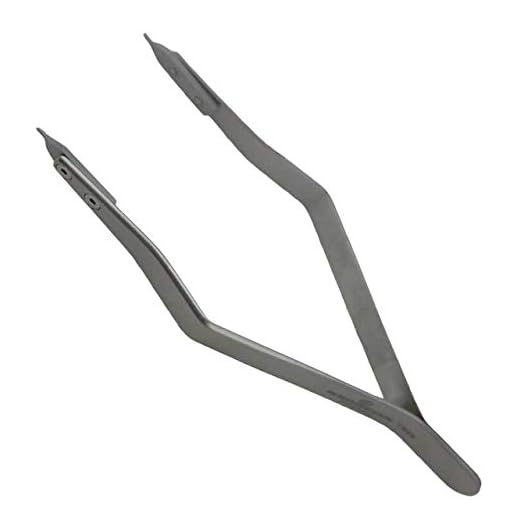


Once ready, position your tool against the spring bar, applying gentle pressure to disengage it from the lugs. Carefully pull the existing band away, repeating the process for the opposite side. Align the new band with the lugs, and press the bar into place, ensuring it clicks securely. Inspect both ends to confirm they are properly fitted and take a moment to admire your refreshed accessory.
Changing Your Timepiece Band
Begin with a spring bar tool to detach the existing band. Position the tool’s forked end against the spring bar, carefully pressing inward to release it from the lugs. Gently slide and lift the old band free from the casing.
Select a new band, ensuring it matches the lug width of your piece. Align the new band with the lugs, inserting the spring bar into the holes. Use the tool again to compress the spring bar and secure it in place. Listen for a subtle click indicating a successful fit.
Check continuity by tugging gently on the new attachment. Ensure it’s firmly connected and aligned. Repeat the process for the opposite end. Adjust tension for comfort, ensuring the band sits securely against your skin without excessive tightness.
Choosing the Right Replacement Strap Material
Leather is a popular choice due to its classic aesthetic and comfort. Full-grain or top-grain options provide durability, while suede offers a softer touch. Be mindful of moisture exposure, as it can lead to deterioration over time.
Metal bands, such as stainless steel or titanium, are ideal for those seeking a sleek, modern appearance. They are robust and resistant to wear, although they may require regular cleaning to maintain shine.
Nylon offers versatility and breathability, making it suitable for sporty or casual environments. Various weaves, like NATO or strap-style, provide different levels of comfort and style. Easy to clean, nylon is low-maintenance.
Rubber or silicone materials are favored for water activities. They are waterproof, lightweight, and highly durable, making them excellent for outdoor enthusiasts. Available in various colors, they combine function with fashion.
Consider personal style and usage scenarios when selecting material. For formal settings, leather or metal may be more appropriate. For active lifestyles, opt for nylon or rubber. Prioritize comfort and durability to ensure a pleasant wearing experience.
Tools Needed for Strap Replacement
Gather these tools to ensure a smooth transition while changing your timepiece’s band:
- Screwdriver Set: A small set of precision screwdrivers is necessary for removing the pins or screws that hold the band in place.
- Spring Bar Tool: This specialized tool helps in disengaging the spring bars, making it easier to attach or detach the band.
- Pliers: Use flat-nosed pliers for gripping and maneuvering small parts without causing damage.
- Tweezers: Ideal for handling tiny components, such as pins and bars, with precision.
- Soft Cloth: Prevent scratches by placing a soft cloth under the watch while you work on it.
- Magnifying Glass: A magnifier helps inspect small details, ensuring all parts are in good condition.
- Measuring Tools: Calipers or a ruler to ensure the replacement band fits the dimensions of your timepiece correctly.
Having these tools at hand will facilitate a hassle-free experience while swapping out bands. Ensure cleanliness and careful handling during the process to maintain the integrity of your accessory.
Steps to Remove the Old Watch Strap
Begin with locating the spring bars that hold the band in place. These are typically found at the junction of the band and the case.
Utilize a spring bar tool or a small flathead screwdriver to gently compress the ends of the spring bar. Ensure you apply minimal pressure to avoid damaging the case.
While maintaining pressure on the spring bar, carefully pull the band away from the case, allowing it to detach. Repeat the process on the opposite end.
Inspect the attachment points for any debris or damage that may need cleaning before installing a new band.
How to Attach the New Watch Strap Securely
Ensure that the replacement band is aligned correctly with the lugs of the timepiece. Begin by inserting the spring bar into the lug hole on one side, then compress the bar with a small tool while aligning the other end with the opposite lug. Release the bar carefully to lock it into place. You should hear a soft click indicating that it is securely attached.
Verification Steps
After installation, check the fit by gently pulling the band to make sure it is firmly seated. Move the timepiece side to side slightly to confirm there is no play between the band and the lugs. If any movement is detected, repeat the installation process until it sits solidly.
Maintenance for Longevity
Periodically inspect the attachment points for wear and tear. Clean both the lugs and spring bars to prevent buildup, which can affect the security of the connection. If the band shows signs of looseness over time, consider replacing the spring bars to ensure safety and stability during daily use.
| Step | Description |
|---|---|
| Alignment | Position the new band with lugs. |
| Insertion | Fit spring bar into the first lug hole. |
| Compression | Use a tool to compress the bar, align other side. |
| Release | Let go and ensure bar clicks into place. |
| Verification | Gently pull to check the secure fit. |
| Inspection | Regular checks for wear and secure fit. |
Adjusting the New Strap for Comfort
Begin by placing the timepiece on your wrist to assess the fit of the new band. The ideal adjustment ensures that it rests comfortably without being too tight or loose.
Follow these steps for optimal comfort:
- Measure the Fit: A well-fitting band should allow for a finger to slide between your wrist and the material, ensuring circulation without pinching.
- Tighten or Loosen: If the band has holes for adjustment, select the appropriate notch. For a minimalist style, avoid excessive length that may cause the ends to stick out.
- Position: Wear the timepiece slightly above the wrist bone, allowing it to move naturally with your hand’s motion.
- Check for Friction: Ensure that the material does not rub against the skin. If irritation occurs, consider smoother options or adjustments in tightness.
Finally, allow some time to adjust to the new band. Wear it for a few hours, then assess comfort again. Subtle changes can make a significant difference in daily wear.
Maintaining Your New Watch Strap
To prolong the life of your newly acquired band, regular cleaning is necessary. Use a soft cloth to wipe down the surface frequently, especially if your accessories come into contact with sweat or moisture. For leather options, consider using a dedicated leather cleaner to avoid drying out the material.
Avoid exposing your band to direct sunlight for prolonged periods. This will help prevent fading and cracking, particularly with natural materials. If your type is waterproof, make sure to rinse it with clean water after swimming or exercising to remove salt or chlorine residue.
Checking the tension and security of the fittings should be routine. Tighten any loose components gently to avoid excessive wear. If you notice any fraying or damage, consider replacing parts to maintain integrity.
Store your timepiece in a cool, dry place when not in use. Utilizing a protective case or box can prevent contact with other items that may cause scratches or other harm.
Lastly, regularly assess how the new accessory feels during wear. If discomfort arises, adjusting the fit can alleviate pressure and enhance overall enjoyment.
FAQ:
What tools do I need to replace a wrist watch strap?
To replace a wrist watch strap, you will typically need a few basic tools. First, a spring bar tool is essential for removing and attaching the spring bars that hold the strap in place. If you don’t have one, a small screwdriver or a knife can sometimes substitute, but be careful not to damage your watch. Additionally, having a clean, flat surface to work on is helpful. A small cloth can protect the watch from scratches during the process. Finally, it’s useful to have a small pair of pliers on hand to help with pulling the spring bars, if necessary.
Are there different types of watch straps I can choose from?
Yes, there are several types of watch straps available to suit different styles and preferences. Common options include leather straps, which provide a classic look; metal bracelets, known for their durability and elegance; and fabric or silicone straps, which are often lightweight and ideal for casual wear. Each type of strap can significantly change the appearance and feel of your watch, so consider factors such as comfort, style, and the occasion when making your choice. Remember to also consider the width of your watch’s lugs to ensure a proper fit with the new strap.
Can I replace my watch strap by myself, or should I take it to a professional?
Replacing a watch strap is a task that many individuals can successfully complete on their own, especially if they have the right tools and follow instructions carefully. However, if your watch is an expensive model or has intricate details, it may be wise to consult a professional. They can ensure that the strap is fitted correctly and prevent any potential damage to the watch. For those who feel confident with basic tools and enjoy DIY projects, replacing a strap can be a rewarding experience that allows for personalization of the watch.


