Ethan Cole

Begin with a microfiber cloth specifically designed for delicate surfaces. Gently wipe the case and strap to remove any surface dust or smudges. This simple step prevents dirt from causing scratches during deeper cleaning.
Utilize a soft brush, like a toothbrush with gentle bristles, to address the spaces between the lugs and the bracelet links. A brush allows access to hidden areas without risking damage, which is crucial for maintaining the integrity of the timepiece.
For more thorough maintenance, prepare a solution of lukewarm water mixed with a few drops of mild soap. Dampen the cloth with this mixture–never submerge the entire piece–and carefully wipe the surfaces, ensuring any residue is gently lifted away.
Pay special attention to metal components; they may require a little more effort to restore their shine. After cleaning, dry off all parts with a lint-free cloth, preventing moisture from affecting the inner mechanisms.
Lastly, ensure the crown and any pushers are completely dry. This step is vital for avoiding potential water damage if the piece is later exposed to moisture.

Steps for Maintaining Your Timepiece
Begin with a soft, lint-free cloth to wipe down the exterior. This removes surface debris and fingerprints. Choose a dedicated watch cloth or microfiber solution to avoid scratches.
If there are stubborn spots on the case or bracelet, dampen the cloth slightly with water mixed with a gentle soap. Avoid using harsh chemicals or abrasive materials that could harm the finish.
For the bracelet, particularly metal ones, gently brush the links with a soft toothbrush to dislodge trapped dirt. Ensure the brush is dry and not too stiff to prevent scratches.
For mineral crystals, use a glass cleaner and a microfiber cloth. This will enhance clarity without damaging the protective surface. Always apply the cleaner to the cloth, not directly onto the crystal.
If the timepiece features a leather strap, avoid excessive moisture. Use a dry cloth to clean the surface and consider a specialized leather conditioner periodically to maintain suppleness.
When addressing the interior mechanisms, avoid DIY repairs unless you have expertise. Regular professional servicing is recommended to keep the internal components functioning correctly.
Store the timepiece in a cool, dry place, away from direct sunlight to prevent discoloration or damage to the materials. Using a watch box or case will also help protect it from dust and impact.
Gather the Necessary Cleaning Supplies
Prepare a microfiber cloth for gentle surface wipe-downs, ensuring it won’t scratch delicate components. Acquire a soft-bristle toothbrush or a specialized brush for detail-oriented areas. Utilize a watchmaker’s loupe to inspect hard-to-reach parts and ensure thoroughness.
Have on hand a small bowl filled with distilled water as a base for rinsing items. A few drops of mild soap can serve as a cleaning agent, but avoid abrasive chemicals that can damage the finish. A can of compressed air may assist in removing dust from difficult spots without direct contact.
Consider using a soft cloth specifically designed for polishing metal surfaces to restore luster. If applicable, a silicone or leather conditioner is advisable for straps or bands. Lastly, gloves can prevent oils from fingers from contaminating the surfaces during maintenance.
Remove the Watch Strap for Better Access
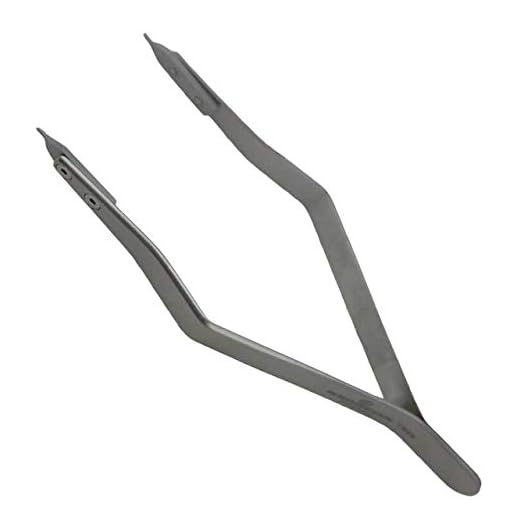
Detach the strap from the case to facilitate thorough maintenance. Utilize a spring bar tool to push the spring bar out, allowing the strap to be removed without damage. Ensure you follow the contours of the lugs to avoid scratches.
Handle with Care
Always work on a soft surface to minimize the risk of dropping components. Gently pull the strap while applying light pressure to the spring bar tool. Avoid excessive force, as this can lead to bending or breaking the bar.
Inspect the Attachment Points
Once removed, examine both the strap and the case for any grime or wear. This inspection can prevent future issues and ensures a better fit when reassembling. If needed, replace any worn pins or bars before reattaching.
Dust the Watch Case and Crystal Carefully
Utilize a microfiber cloth or soft brush to gently remove dust from the case and crystal. Avoid abrasive materials that could scratch the surface. For stubborn particles, lightly dampen the cloth with water, ensuring no moisture seeps into the crevices. Pay special attention to the edges where the glass meets the case, as dirt can accumulate there. After dusting, assess for fingerprints or smudges on the crystal and polish those areas with a clean, dry microfiber cloth to restore clarity.
When dealing with intricate designs or engravings on the case, use a soft-bristled toothbrush to reach those hard-to-access areas. This method is effective for dislodging debris without applying excessive pressure that could damage delicate surfaces. Regular maintenance ensures a pristine appearance and longevity of the piece.
Clean the Case with a Soft Cloth
Utilize a soft, lint-free cloth to remove fingerprints, smudges, and surface grime from the exterior of the timepiece. Ensure the cloth is dry and devoid of any abrasive materials. For delicate finishes, microfiber cloths are recommended due to their gentle touch.
Steps to Follow
Gently wipe the case in circular motions, applying minimal pressure. Focus on areas prone to dirt accumulation, such as the lugs and around the crown. Regularly check the cloth for dirt transfer to avoid scratching the surface.
Additional Tips
For stubborn spots, slightly dampen the cloth with water. Avoid using cleaning solutions, as these can damage protective coatings. After wiping, allow the timepiece to air dry completely before reattaching any components to prevent moisture capture.
| Material | Recommended Use |
|---|---|
| Microfiber | Gentle dusting and polishing |
| Cotton cloth | Basic surface cleaning |
| Silk cloth | Polishing precious metals |
Polish the Crystal with Suitable Solutions
Select a cleaning solution appropriate for the type of crystal–sapphire, mineral glass, or acrylic–used in your timepiece. For sapphire and mineral glass, a mixture of water and a few drops of mild dish soap works well. For an acrylic surface, opt for a special acrylic cleaner or a diluted vinegar solution.
Steps to Polish the Crystal
- Prepare the cleaning solution as per your selected method.
- Take a soft microfiber cloth, ensuring it is clean and free from any dirt or debris.
- Damp the cloth with the prepared solution, making sure it is not soaking wet.
- Gently wipe the crystal in circular motions to avoid scratches.
- Use a dry section of the cloth to buff the crystal, removing any remaining moisture.
Additional Tips
- Avoid abrasive cleaners or cloths, as these can damage the surface.
- For tough stains, consider professional products designed for watch crystals.
- Regular maintenance of the crystal will enhance its clarity and longevity.
Reassemble the Timepiece and Perform Final Checks
After thorough cleaning, begin the reassembly by carefully placing all components in their designated spots. Ensure each part fits snugly without excess force.
- Position the Movement: Carefully align the movement with the case, ensuring any securing screws are accessible.
- Install the Crown: Gently fit the crown back into place, verifying it functions properly with smooth operation.
- Secure the Case Back: Use a case wrench or appropriate tool to fasten the case back securely. Avoid over-tightening.
- Attach the Strap: Reattach the strap or bracelet, ensuring proper alignment and security of pins or spring bars.
With the timepiece fully assembled, conduct various checks:
- Check Functionality: Wind the mechanism and observe if it keeps time accurately over a short period.
- Inspect for Dirt: Look for any dust or oil left on the crystal or case.
- Ensure Water Resistance: If applicable, test the seal by submerging in water briefly and checking for leaks.
- Examine Aesthetics: Assess the overall appearance to ensure a polished finish.
After concluding all tests, your piece is ready to adorn your wrist, showcasing renewed precision and clarity.