
 Ethan Cole
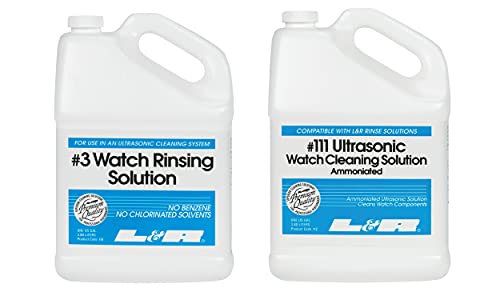
Begin by examining the battery compartment and replace the battery if the timepiece has stopped. If it runs on a mechanical movement, consider winding it carefully to check for proper operation. Utilize a pair of soft cloths to clean the case and strap, ensuring the removal of dirt and grime that can affect performance.
If the glass face is scratched or cracked, assess whether it can be polished or requires replacement. Avoid using harsh chemicals on the glass to maintain clarity. Use a specialized watch cleaner for the case and metal parts for a thorough yet gentle cleaning.
Inspect the movement for any signs of rust or dust, which can inhibit functionality. For advanced maintenance, a complete disassembly by a skilled technician may be necessary to address internal issues. Regular servicing every few years is advisable to ensure longevity.
Restoration Steps
Inspect the timepiece closely for any visible damage, including scratches, dents, or rust. Pay special attention to the crystal and case. A thorough examination will help identify necessary repairs without overlooking minor issues that could worsen over time.


Cleaning and Maintenance
Disassemble the components gently. Use a soft cloth and specific cleaning solutions to remove dirt and debris. For the movement, a specialized watch cleaning solution can be beneficial. Ensure that all parts are thoroughly dried and free from moisture before reassembly.
Replacing Parts
If any components are beyond repair, source original or compatible replacements. Common parts that require change include the crystal, hands, and strap. It is preferable to use genuine parts when possible, as they maintain the integrity and value of the piece.
Assessing the Condition of Your Timepiece
Inspect the outer casing for scratches, dents, and signs of corrosion. A thorough examination will reveal the extent of wear and help prioritize repairs.
Examine the crystal for cracks or chips. If the glass is compromised, replacement or polishing may be necessary to restore clarity.
Check the crown and pushers for functionality. Ensure they operate smoothly without excessive resistance. Lubrication or replacement might be required if they feel stiff or loose.
- Test the movement by winding the mechanism. Listen for any unusual noises indicating potential mechanical issues.
- Observe the accuracy of timekeeping. A significant deviation may signal underlying problems that need addressing.
Review the condition of the strap or bracelet. Look for fraying, discoloration, or broken links. Depending on the material, cleaning or complete replacement might be necessary.
Assess any water resistance features by conducting a water test, if applicable. This is crucial for maintaining functionality in a wet environment.
Consulting with a skilled technician for a detailed evaluation could be beneficial, especially for vintage items where nuances matter in restoration efforts.
Gathering the Right Tools for Restoration
Acquire a watchmaker’s screwdriver set, including different sizes to handle various screws throughout the mechanism. Precision tweezers are indispensable for maneuvering small components without damaging them.
A magnification tool, such as a loupe, is necessary for inspecting tiny pieces with clarity. It aids in identifying issues and ensures meticulous handling.
Invest in a case back remover, specifically designed for different types of closures, whether it’s a screw-down or snap case. Nonslip watch holder or cushion will stabilize the timepiece during disassembly.
Cleaning supplies are imperative; use a soft brush, microfiber cloth, and a suitable cleaning solution to maintain components without scratches.
For reassembly, a watch oil kit provides lubrication to ensure smooth movement and longevity. Apply lubricant sparingly to avoid excess buildup.
Finally, consider a timing machine for calibration. This device accurately measures the timekeeping precision, crucial for completing a meticulous overhaul.
Cleansing the Watchcase and Band
Utilize a microfiber cloth for initial surface dust removal from the case and strap. This prevents scratches during the cleaning process.
Mix lukewarm water with a few drops of mild soap in a bowl. Dip the cloth into this solution, wring it out completely, and gently wipe the case and band. Pay special attention to crevices where dirt accumulates.
If the strap is leather, employ a damp cloth with the soap solution, avoiding excessive moisture. Follow up with a dry cloth to prevent damage.
For stainless steel, a soft-bristle toothbrush can effectively dislodge dirt from intricate areas. Rinse with clean, lukewarm water after scrubbing, and thoroughly dry with a soft cloth.
Use a specialized jewelry cleaning solution for metal bands if available, following the manufacturer’s instructions closely. Ensure no residue remains after washing.
Never submerge the watch in water unless it is specifically waterproof. Once cleaned, allow the timepiece to air dry completely before wearing it again.
Regular maintenance not only enhances appearance but also prolongs lifespan. Aim to perform this cleansing every few months for optimal care.
Replacing the Movement or Battery
For precision timekeeping, replacing the movement or battery is crucial. Identify the type of mechanism your timepiece uses. Automatic movements require different handling compared to quartz ones.
Battery Replacement Steps
- Gather necessary tools: a case opener, tweezers, and a new battery compatible with your model.
- Carefully open the back cover using the case opener. Ensure to keep track of screws and any seals removed.
- Remove the old battery with tweezers. Take note of its orientation to correctly place the new one.
- Insert the fresh battery in the same position as the previous one. Confirm a snug fit.
- Close the case securely, ensuring seals are properly aligned to maintain water resistance, if applicable.
Movement Replacement Steps
- Consult the manufacturer’s guide for specifics on your model.
- Open the case back as outlined in the battery replacement steps.
- Disconnect the movement from the watch face and remove the screws attaching it to the case.
- Install the new movement, ensuring all parts align correctly.
- Secure the movement in place and reattach the back cover following manufacturer recommendations.
Adjust the hands to set the correct time after replacement. Test the functionality by observing time accuracy for a day. If issues arise, consult a professional for further assistance.
Fixing Scratches on the Watch Crystal
For minor scratches on the crystal, consider using a specialized polishing compound like jeweler’s rouge or a polywatch solution. Apply a small amount to a soft, lint-free cloth and gently rub the scratched area in circular motions for several minutes. This method can significantly reduce the appearance of light scratches.
Utilizing Toothpaste or Baking Soda
If you prefer a DIY approach, mix a small amount of baking soda with water to form a paste, or use a non-gel toothpaste. Apply either option to the scratch with a soft cloth and polish in a circular motion. Rinse the surface with a damp cloth and dry thoroughly. Be cautious, as these methods are suitable mainly for mineral glass but might not be effective on acrylic or sapphire crystals.
Replacing the Crystal
For deeper scratches that compromise visibility, replacing the entire crystal might be the best option. Purchase a compatible replacement from a reputable supplier, and refer to specific guidelines for disassembly and reassembly. Ensure to use appropriate tools to avoid damaging other elements of the timepiece during the process.
Finalizing the Restoration Process
After completing the restoration tasks, it’s time to put everything together and give the timepiece a final inspection.
Begin by carefully reassembling any removed components. Ensure that all parts fit snugly and align properly, paying close attention to the gaskets or seals, which play a crucial role in maintaining water resistance.
Next, set the time and date accurately. Allow the mechanism to run for a while, ensuring the hands move smoothly and precisely. Listen for any unusual noises that may indicate misalignment or friction.
Once satisfied with the movement, inspect the case and band for any remaining imperfections. Clean any fingerprints or smudges with a soft cloth used for jewelry or optics. If necessary, apply a specialized polish for metals or leather to enhance their appearance.
Finally, document the maintenance undertaken for future reference. This record can aid in assessing long-term performance and determining any need for future care.
Consider storing it in a protective case or box, shielded from extreme temperatures and humidity. This final step ensures longevity and keeps the piece looking pristine.
| Task | Details |
|---|---|
| Reassemble Components | Ensure all parts are aligned and fit properly. |
| Set Time and Date | Check for smooth operation and listen for any irregular sounds. |
| Final Cleaning | Remove fingerprints and apply polish if needed. |
| Document Maintenance | Keep a record of repairs and adjustments made. |
| Store Properly | Use a protective case to prevent damage from environmental factors. |



