Ethan Cole

Consider opting for a model with a case diameter that complements the size of your arm. A general guideline suggests that men with smaller arms should choose a case size between 38mm and 42mm, while larger frames can accommodate cases from 44mm upwards. This ensures a balanced look that enhances both style and comfort.
Strap material can significantly impact overall wearability and aesthetic appeal. Leather offers classic sophistication, while stainless steel provides durability and a more modern vibe. Silicone or fabric straps are ideal for active lifestyles, offering flexibility and comfort. Assess personal preferences and daily activities before making a choice.
Movement type plays a crucial role in performance and user experience. Automatic movements appeal to traditionalists seeking mechanical artistry, whereas quartz options are ideal for those prioritizing accuracy and minimal maintenance. Evaluating your lifestyle and how frequently you intend to wear the accessory will dictate the most suitable movement for your needs.
Finally, prioritize fit by measuring your wrist circumference. Standard sizes range from 6 to 8 inches; however, many brands offer customizable options to ensure a snug fit. A well-fitted piece not only enhances comfort but also ensures that the timepiece remains securely in place throughout the day.

Assessing Your Wrist Size Accurately
Utilize a flexible measuring tape or a piece of string to obtain an accurate circumference of your wrist. Wrap the tape or string around the narrowest part of the wrist, ensuring it feels snug but not too tight. Note the measurement at the point where the tape overlaps or where the string meets itself.
If using string, mark the point where it overlaps, then measure it against a ruler. This method provides a precise measurement crucial for selecting a suitable timepiece.
Choosing Appropriate Sizing Method
Consider measuring your wrist at different times of day, as it may fluctuate due to factors like temperature and activity level. Morning measurements often yield the smallest circumference, while evening sizes might be larger due to swelling.
It’s advisable to measure both wrists, as some individuals have slight size variations between them. Always use the larger measurement to guide your selection.
Interpreting Measurements
Once you have your wrist measurement, refer to manufacturer guidelines that often indicate suggested case sizes based on circumference. Typically, a timepiece case diameter below 34mm suits smaller wrists, while 34mm to 40mm fits average sizes. Large wrists may find 40mm or above more comfortable.
Fitting preferences vary; while some opt for a snug fit, others may choose a looser style. Ultimately, ensure comfort alongside aesthetic appeal.
Understanding Watch Styles and Their Suitability
Consider round cases as versatile options ideal for everyday settings. Their classical appeal suits both formal and casual outfits, providing a seamless transition between various occasions.
Sports and Dive Variants
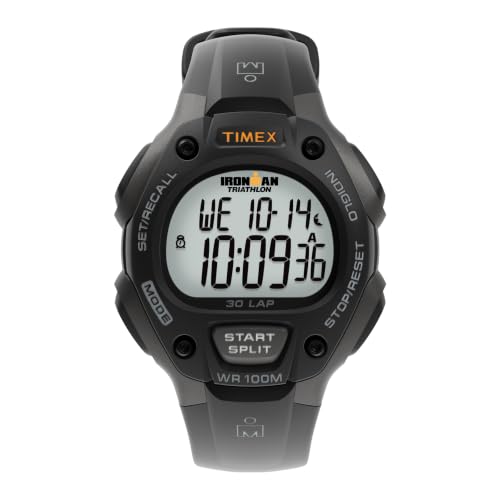
Sports and dive variants typically feature robust designs, appealing to individuals with active lifestyles. Look for models with water resistance and durability to endure rigorous activities.
Dress and Casual Styles
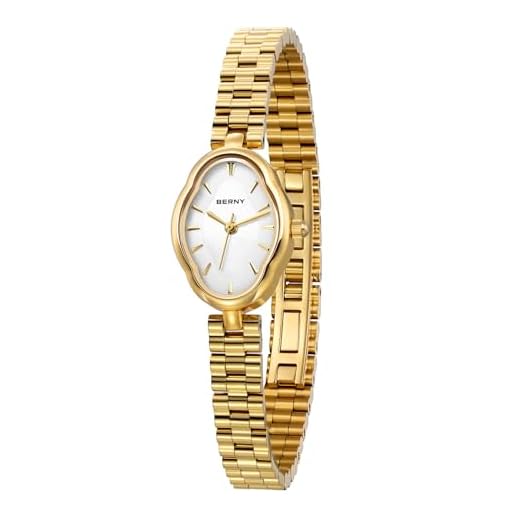
Dress styles often showcase elegance with slimmer profiles and refined materials, complementing formal attire. In contrast, casual styles prioritize comfort and functionality, making them suitable for relaxed settings or weekend wear.
| Style | Key Features | Best Occasions |
|---|---|---|
| Round Case | Versatile, classic design | Everyday wear, formal occasions |
| Sports | Durable, water-resistant | Outdoor activities, sports events |
| Dress | Slim profile, refined materials | Business meetings, formal events |
| Casual | Comfortable, functional | Weekend outings, casual gatherings |
Select styles aligning with personal taste, ensuring comfort while considering appropriate settings. This ensures a smartwatch or traditional timepiece enhances rather than detracts from overall appearance.
Evaluating Watch Materials for Comfort
Select materials that offer a balance between durability and comfort. Common options include stainless steel, titanium, ceramic, and various leather types.
- Stainless Steel: Highly resistant to scratches and tarnishing, ideal for a polished finish. However, it can be heavy and may irritate sensitive skin.
- Titanium: Lighter than stainless steel, it provides a robust option with natural hypoallergenic properties. Suitable for prolonged wear.
- Ceramic: Offers a sleek appearance with impressive scratch resistance. Lightweight and comfortable, but may be more prone to chipping upon impact.
- Leather: Provides a classic look and molds to the skin over time. Opt for genuine leather or high-quality synthetic alternatives to avoid discomfort from poor quality.
Consider the climate as well. Breathability is crucial in warmer conditions. Materials like silicone or fabric-based straps can enhance comfort during hotter months.
Check for finishings and coatings. Polished or matte surfaces can feel different against the skin; matte finishes may reduce friction.
Test various styles before making a decision. Trying on different materials will aid in determining which feels best against the skin.
Choosing the Right Watch Features for Your Lifestyle
Prioritize functionality. Assess daily routines and activities, such as sports, business meetings, or casual outings, to determine which timepieces fit best. Sporty models might include features like water resistance or a stopwatch, while classic designs typically emphasize elegance over technical capabilities.
Assessing Movement Types
Automatic movements cater to traditionalists who appreciate craftsmanship, whereas quartz options appeal for accuracy and low maintenance. Consider smartwatches if technology integration plays a pivotal role, providing notifications and health tracking features.
Understanding Additional Features
Focus on specific functions, like GPS for outdoor enthusiasts or a chronograph for those who enjoy timing events. Other enhancements such as luminous hands or multiple time zones can significantly enhance functionality based on personal preferences.
Setting a Budget Without Compromising Quality
Identify a precise price range before shopping. Consider allocating funds based on preferred materials, brand reputation, and included features. An example of a practical approach is to segment the budget: allocate 60% for the timepiece itself, 20% for any expected maintenance or modifications, and 20% for accessories such as straps or boxes.
Research various brands within each price segment. Some lesser-known labels offer high-quality products comparable to established ones at a fraction of the cost. Websites and forums often provide valuable insights; read reviews to gauge performance and durability.
Look for seasonal sales or events where premium models may be discounted significantly. Timing your purchase can result in considerable savings without sacrificing quality.
Consider pre-owned alternatives. Many secondhand options retain their quality and can offer luxury models well below retail prices. Ensure authenticity through reputable dealers or certification when exploring this market.
Prioritize functionality over extravagance. Focus on essential features–like water resistance or specific complications–rather than on unnecessary embellishments. A well-chosen piece reflecting individual style and needs can ultimately provide greater satisfaction.
Setting clear priorities will help in maintaining a balance between spending and quality. Define what aspects matter most–whether it’s craftsmanship, brand history, or design–and let these considerations guide your financial commitment.
Exploring Brand Reputation and Customer Reviews
Prioritize brands with a well-established reputation in the horology sector. Research manufacturers known for quality craftsmanship and reliable timepieces. Look for certifications, awards, or recognition within the luxury or mainstream watch communities.
Analyze customer feedback across multiple platforms, including social media, forums, and retail websites. Focus on patterns in reviews that mention durability, accuracy, and customer service. Examine both positive and negative comments to form a balanced perspective.
Seek out expert opinions from watch enthusiasts and professionals. Consider watching video reviews which can provide a tangible insight into the watch’s performance and aesthetics. Comparisons between similar models from different manufacturers can also highlight distinctive features and drawbacks.
Note the timeline of reviews–recent opinions may better reflect current model quality compared to older ones. Pay attention to reviewers who share wrist sizes and preferences similar to yours, as their insights may be more relevant.
Look for brands that engage positively with their customers, addressing concerns or complaints promptly. This often reflects a commitment to quality and customer satisfaction. Customer service experiences can be as critical as the product quality itself.
Finally, consider the longevity of the brand in the marketplace. Brands with a history often have proven track records of reliability and customer loyalty, which can enhance your confidence in your purchase.