Ethan Cole

Begin by selecting quality materials that suit the aesthetic you desire. Leather, fabric, or a durable synthetic alternative can provide both comfort and longevity. Opt for a thickness that balances sturdiness and flexibility; for leather, a 2-3 mm thickness works well.
Next, measure the circumference of your wrist accurately, ensuring a snug fit without discomfort. Add an extra inch for adjustments, especially if using a material that can stretch over time. This precision will guarantee a design that complements your personal style while remaining functional.
When crafting your item, consider using rivets or stitching techniques to secure the strap components together. Each method offers unique benefits: rivets provide strength and practicality, while stitching lends a softer, more tailored finish. Choose thread colors that contrast or complement your chosen material for a refined look.
Finally, incorporate a closure mechanism that allows for easy wear and removal. A snap button or hook-and-loop fastening can provide reliability, while a more formal buckle can enhance aesthetics. Evaluate your choice based on both ease of use and the overall visual impact it creates.
Selecting the Right Materials for Your Wrist Attachment
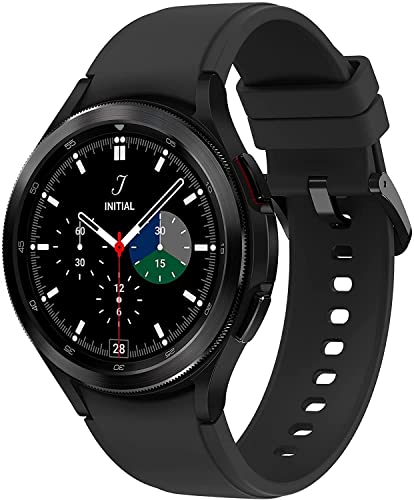
Opt for leather, canvas, or nylon as the foundational materials. Genuine leather provides durability and a classic aesthetic. Look for full-grain hides for longevity. If lightweight and water resistance are priorities, consider premium nylon, ideal for active use. Canvas offers a breathable option with a casual vibe suitable for everyday wear.


Color and Texture Choices
When selecting hues, match the material to personal style or the existing metal of the timepiece. Neutral tones like black, brown, or gray are versatile, while bold colors can express individuality. Textured finishes–such as pebbled leather or woven patterns–can enhance visual interest, ensuring the accessory complements various outfits.
Fastening Mechanisms
Choose fasteners that are secure yet easy to adjust. Traditional buckles work well for leather, while Velcro or snap closures can be ideal for fabric options. Ensure the selected mechanism aligns with the chosen material, providing not only aesthetics but also functionality for daily wear.
Measuring Your Wrist for a Perfect Fit
Use a flexible measuring tape or a piece of string to accurately gauge your wrist circumference. Wrap it snugly around your wrist where you intend to wear the accessory, ensuring it is not too tight or too loose.
If using a string, mark the point where it overlaps and then measure the length with a ruler. Record this measurement in inches or centimeters. This is your baseline for creating a comfortable and secure fit.
Adjusting for Comfort
Add an extra half inch (1.3 cm) to your measurement for breathability and ease of movement. This additional length accommodates swelling from heat or movement, ensuring comfort throughout the day.
Testing Your Measurement
Before finalizing your project, consider wrapping a prototype out of paper or fabric around your wrist to test if the length feels right. Make any necessary adjustments based on your comfort level. This practice helps avoid sizing issues with the final piece.
Cutting and Preparing the Strap Material
Choose a cutting tool suited for your selected material–scissors for fabric, a rotary cutter for leather, or a knife for synthetic options. Precision is key, so have a cutting mat ready to protect your workspace.
Follow these steps to ensure accuracy:
- Lay the material flat on the cutting surface.
- Utilize a ruler to measure and mark the desired width and length.
- Use a fabric chalk or pen for marking, as it easily washes off.
- Carefully cut along the marked lines, ensuring a smooth edge.
For leather, consider these additional tips:
- Use a straightedge to maintain a straight cut.
- Apply pressure evenly while cutting to avoid jagged edges.
Once the material is cut, prepare the edges by sanding or sealing to prevent fraying and ensure durability.
If adding holes for adjustments, use an appropriate hole punch tool. Mark each position clearly before making the holes.
Finally, test the fit by temporarily attaching the ends together. Adjust as needed before final assembly.
Attaching the Pocket Watch to the Strap
First, select a reliable connection method for securing the timepiece to the band. Common options include a swivel clip, a keyring, or leather looped ends. Ensure that the attachment method aligns with the design of the timepiece and the material of the band for durability.
If using a swivel clip, thread it through the timepiece’s loop or bail and then attach it to the end of the band. For a keyring attachment, slip it through the loop before securing it to the band. If opting for a leather loop, stitch or glue the loop onto the band, ensuring it is strong enough to hold the weight of the timepiece securely.
Additionally, it’s essential to check the weight distribution after attaching the timekeeper. This ensures comfort while wearing. Adjust the attachment point if needed, keeping in mind that the center of gravity should be balanced for a more enjoyable experience.
Finally, test the connection by gently pulling on the timepiece to ensure it is securely fastened. Regularly inspect this connection over time to maintain the integrity of the setup, especially if worn frequently.
Adding Buckles and Adjustments for Comfort
Select a buckle that fits the thickness and material of your band. Metal buckles offer durability, while leather or fabric options provide softer aesthetics. Ensure the width of the buckle matches the band to prevent any gaps or misalignment.
Common types of closures include:
| Type | Description |
|---|---|
| Prong Buckle | Classic and secure, suitable for leather and durable materials. |
| Magnetic Clasp | Easy to use; ideal for a lightweight feel and quick on-and-off capability. |
| Snap Closure | Provides a clean look; best for fabric bands but requires precise alignment. |
Adjustability is paramount for comfort. Incorporate multiple holes or a sliding mechanism in your design, allowing the band to fit different wrist sizes comfortably. Consider the use of elastic materials or belt-style adjustments for flexibility during wear.
Padding can enhance comfort, particularly where the band makes contact with the skin. Use soft fabric or foam on the inner side to reduce irritation and improve wearability throughout the day.
Inspect the fitting once assembled. Ensure that the closure mechanism works smoothly and the band can be tightened or loosened easily. This attention to detail enhances functionality and ensures a pleasant wearing experience.
Finishing Touches and Customization Options
Incorporate personalized elements through engraving or embossing initials or symbols on the leather piece. This adds a distinctive touch, enhancing both aesthetics and sentimental value.
Choosing Unique Colors and Textures
Selecting a distinct color for the material can significantly impact the overall appearance. Consider using dyed leather or fabric to create eye-catching contrasts. Experiment with textures, such as smooth, pebbled, or stitched surfaces to find a style that resonates with your taste.
Add Accessories for Flair
Incorporate charms or decorative elements that reflect your personality. Attach small pendants or decorative chains to the end of the strap for a more unique look. This not only provides character but can also serve as a conversation starter.