
 Ethan Cole

The majority of individuals prefer to place their timepieces on the left arm. This choice can be attributed to several factors, including comfort and the commonality of right-handedness, which allows for easier adjustment and visibility.
Observations show that about 90% of people who identify as right-handed opt for this configuration. The positioning helps avoid potential damage during daily activities, as the dominant hand generally engages more in tasks that might risk scratching or impacting the device.
In certain cultures, alternative practices exist, and preferences may vary based on aesthetic choices or personal traditions. Notably, some left-handed individuals choose the right side for similar reasons regarding functionality and protection.
Recommended Placement for Timepieces on Male Individuals
The most common location for timepieces is the left side. This is largely due to the majority of people being right-handed, making it more practical to use the dominant hand for adjustments and winding.
Cultural and Personal Influences
- Some cultures may have unique customs regarding the placement of accessories, including timepieces.
- Personal preferences play a key role. Individuals may choose a side that feels more comfortable or looks better aesthetically.
- Fashion trends can influence choices, with some favoring alternatives like wearing the device on the right side for a modern twist.
Factors to Consider
- Comfort: Ensure the timekeeper fits well and doesn’t interfere with daily activities.
- Activity Level: Those engaged in sports may prefer a secure fit on the less active hand to avoid damage.
- Style Statement: The placement can highlight fashion sense; consider choosing based on clothing styles.
Ultimately, the side chosen for donning a timepiece should prioritize comfort and personal expression, aligning with individual lifestyles and preferences.

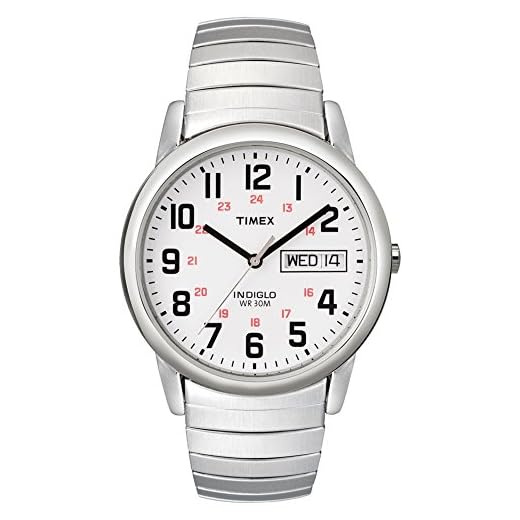
Dominant Hand Influence on Watch Placement
The placement of timepieces often correlates with an individual’s dominant hand. Right-handed individuals generally opt for the left arm, facilitating easier adjustments and visibility while engaging in daily tasks. Conversely, those who are left-handed frequently prefer the right side for similar reasons. This trend stems from practicality, as the dominant hand is more active, thus minimizing the risk of damage or discomfort.
Adjustability Considerations
Timepieces with traditional clasps are designed for ease of use. For right-handed users, securing the strap on the left side allows for straightforward fastening and removal. This configuration enables quick alterations without the need for twisting the body. Left-handed wearers may select timepieces with a clasp positioned on the right side, ensuring comfort and functionality during usage.
Cultural and Personal Preferences
Culture can also play a pivotal role in choice. In some regions, social norms may influence which arm to adorn with accessories. Personal style and aesthetic preferences can further impact this decision, as individuals may intentionally choose to showcase their timepiece on the non-dominant side for visual contrast or uniqueness.
Cultural Norms and Fashion Trends in Timepiece Placement
In many cultures, the left hand is the preferred location for timepieces. This choice has historical roots, dating back to the early 20th century and influenced by various style icons and public figures. For instance, numerous celebrities and fashion-forward individuals opt for the left appendage, reinforcing this norm within popular culture.
Contemporary fashion trends often reflect a blend of personal expression and societal expectations. Dual placement has emerged as a trend, allowing enthusiasts to showcase multiple accessories simultaneously. Wearing a timepiece on the right side, although less conventional, is accepted among those who prefer it for practical reasons or personal flair.
Regional Variations
Diverse regions exhibit unique preferences regarding placement. In some Asian cultures, the right side is favored for ceremonial occasions, while Western norms prominently feature the left. These distinctions highlight the influence of regional traditions on accessory choices.
Impact of Fashion Movements
Shifts in global fashion have introduced a new aesthetic, where layering and mixing styles are paramount. Minimalist designs may lean toward classic placements, while bold, statement pieces encourage experimentation across both sides. This freedom allows wearers to align their personal style with current trends.
Understanding these cultural norms and trends can help individuals make informed choices about timepiece placement that resonate with their identity and lifestyle while reflecting both tradition and contemporary fashion.
Functionality Considerations for Left vs. Right Wrist
Choosing a side for timepiece placement can influence practicality. For individuals using their dominant side for tasks, consider positioning the timepiece on the opposite side to minimize interference. This setup allows for easier access and adjustment without disrupting activities.
Ergonomics plays a role in the comfort of the piece. For right-handed individuals, placing the device on the left allows for seamless viewing, while left-handed users benefit from having their piece on the right to avoid obstruction.
Activity level matters as well. For those engaged in sports or manual labor, secure positioning is crucial to prevent damage. The choice of wrist can also affect visibility; opting for a location that offers an unobstructed line of sight enhances the experience during physical activities.
Water-resistant features are useful depending on the environment. If exposure to moisture is high, positioning may also be affected by the dominant hand’s interaction with water, leading to practical adjustments based on lifestyle.
Lastly, personal style choices can influence functionality. The way a timepiece complements outfits, or how the chosen side aligns with accessories like bracelets or bands can enhance overall aesthetics while maintaining easy control and visibility. Adjusting placement for both function and flair is beneficial.
Watch Type and Design Impact on Wrist Choice
The choice of arm for timepieces often aligns with their type and aesthetics. Sport models with robust features tend to be positioned on the non-dominant side, facilitating ease of use during physical activities. In contrast, elegant or dress varieties may be more commonly found on the dominant arm, allowing for easy visibility in social settings.
Material and Comfort Influence
<p.Material plays a significant role in selection; lightweight materials like titanium or fabric are preferred for active styles, while heavier metals or leather are favored for formality. A comfortable fit encourages positioning on the favored side, often determined by the width or profile of the band.
Size and Design Aesthetics
<p.Larger designs may lead some to opt for the opposite limb to create an imbalanced look or for practicality in operation. Conversely, minimalist styles may lend themselves to either arm without concern for bulk, as they tend to integrate seamlessly into daily attire.
Personal Preferences and Individual Style Factors
Choosing a side for a timepiece is an expression of individuality. Personal style heavily influences whether someone opts for the left or right arm. For some, ergonomic comfort plays a significant role; if the dominant side is prone to frequent activity, it may be more practical to don the accessory on the opposite side. This decision often aligns with daily routines, such as the nature of one’s profession or hobbies, whether manual labor or desk work.
Influence of Fashion and Aesthetics
Fashion choices and aesthetics drive some individuals to make bold statements. With styles ranging from vintage to modern minimalist, the position of the timepiece can enhance an outfit. For instance, wearing it on the right side can create a unique visual appeal in right-side dominant fashion statements. Color schemes, materials, and design intricacies also play a pivotal role; those opting for flashy styles may steer towards bolder placements that draw attention.
Psychological Aspects of Placement
Psychological influences cannot be overlooked. Confidence and self-perception may dictate preferences; wearing an accessory prominently can instill a sense of assertiveness. Additionally, cultural variations impact choices. Regional trends or social circles may sway opinions, with some environments favoring specific placements as part of their identity, showcasing how deeply personal and contextually influenced the choice can be.



