
 Ethan Cole

Consider donating your outdated timepieces to local charitable organizations. Many of these groups accept functional items, repurposing them for resell or distribution to people in need. This not only gives your old accessories a second life but also supports a good cause.
If repairing is an option for your timekeeper, explore local repair shops that can restore its functionality. Many artisans specialize in breathing new life into older models, preserving their historical significance and extending their lifespan.
For those who wish to take a creative route, turning non-functional timekeepers into art pieces can be a rewarding project. Dismantling and repurposing the components can spark innovative designs for furniture, jewelry, or unique home décor items.

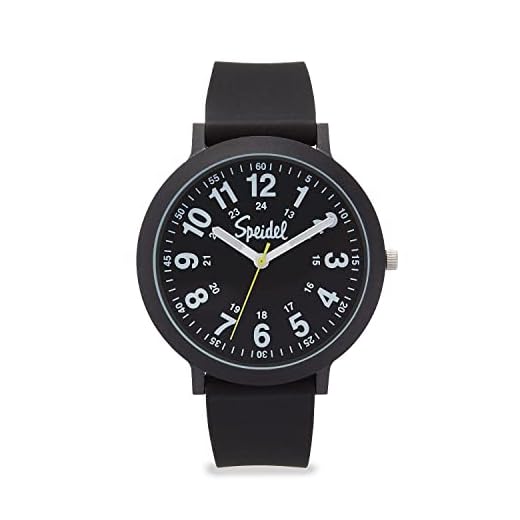

Engage with specialized recycling programs that focus on electronic waste. Some companies offer take-back schemes for broken or unusable items, ensuring they are processed in an environmentally responsible manner and that valuable materials are recovered.
Reimagining Old Timepieces
Consider donating functional pieces to charity shops or shelters, which can provide valuable accessories to those in need.
Alternate options include:
- Trading with local watch enthusiasts or collectors, who might appreciate unique designs.
- Participating in specialized swap meets to exchange timepieces or parts.
- Researching local artists who utilize components for creative projects or jewelry making.
For damaged models:
- Contact repair shops that can salvage parts like the casing, crystals, or bands for reuse in new projects.
- Check if local recycling centers accept specific components, ensuring proper disposal of inaccurate materials.
Ensure you preserve any valuable items, such as gold or silver components, by selling them at local jewelers or precious metal dealers.
Participate in sustainability initiatives by being part of community clean-up days, which often include electronic waste drop-off points for unwanted gadgets, including timekeeping devices.
Explore online platforms that specialize in buying and selling vintage or broken timepieces, providing a larger audience for unwanted accessories.
Finding Local Recycling Centers for Timepieces
Begin with a search for specific organizations in your area focused on the proper disposal of timekeeping devices. Utilize resources like Earth911 or local environmental sites to locate nearby facilities.
- Visit your city’s official website for waste management or recycling programs. They often list accepted items and drop-off locations.
- Contact jewelry stores or watch repair shops; many may accept old or broken timepieces for repurposing or recycling.
- Explore community events aimed at promoting sustainability. Such events often include collection points for old accessories.
Social media and community forums can provide information about local initiatives. Platforms like Facebook or Nextdoor may feature local groups dedicated to sustainability and responsible disposal practices.
Make inquiries at thrift shops or donation centers. Some establishments might accept these items for resale or for fundraising efforts, ensuring they are reused effectively.
Check with electronic recycling centers, as they may also process materials from your timekeeping accessories, redirecting components for reuse.
Identifying Recyclable Materials in Your Timepiece
Begin with disassembling the device. This will allow access to individual components, making it easier to evaluate which elements can be repurposed.
Common Materials Found in Timepieces
The primary components include:
| Material | Properties | Recycling Options |
|---|---|---|
| Stainless Steel | Durable and resistant to corrosion | Can be melted and remade into new steel products |
| Gold | Highly valuable and resistant to tarnish | Can be reclaimed through specialized refining processes |
| Plastic | Lightweight and moldable | Can be recycled into various plastic products |
| Leather | Natural and flexible material | Repurposed into new leather goods or recycled into fibers |
| Glass | Fragile yet recyclable | Can be melted down to form new glass items |
Assessing Electronic Components
For models that feature digital displays or advanced functionalities, it is essential to inspect elements such as batteries and circuit boards. Lithium-ion batteries, often found in modern devices, should be handled with care due to their potential hazards. Contact local electronic waste centers for proper disposal methods.
Furthermore, inquire about any special programs your community may have for electronic scrap collection, ensuring that all parts are processed appropriately.
Steps to Disassemble a Timepiece Safely
Gather essential tools: a case opener, a small screwdriver set, and tweezers. Ensure a clean, well-lit workspace to avoid losing small components.
Begin by removing the watch band using the appropriate screwdriver. Carefully detach the spring bars to avoid damaging the lugs.
Next, open the case back. Depending on the design, use a case knife or a dedicated case opener. Apply gentle pressure to pop the back off without scratching the surface.
Once open, locate the movement. Utilize tweezers to carefully lift it out, taking care not to touch any delicate parts. Note the orientation for reassembly.
Remove the battery if applicable; ensure you have gloves on to avoid contamination. For quartz models, carefully unscrew the battery holder.
For mechanical models, assess the crown and stem. Gently pull on the crown to release it from the movement. Keep track of all screws and components.
Once disassembly is complete, organize the parts in small containers to prevent loss. Document the order and placement to assist with potential reassembly or recycling later.
Charity Organizations That Accept Used Timepieces
Consider donating your unwanted timepieces to organizations that repurpose them for a good cause. One notable option is SolarAid, which provides solar lights and renewable energy solutions in Africa. They accept working timekeepers to sell and fund their initiatives.
Goodwill is another excellent choice, as they accept a wide range of donations, including timepieces. Proceeds from sales in their stores support job training and community programs.
Local and Global Initiatives
The American Cancer Society hosts events where donated items, including timekeepers, are auctioned off. This helps fund cancer research and support programs.
For international efforts, consider Time for Change, which collects timekeepers for resale, with proceeds going towards helping women in impoverished communities start their businesses.
Community Support Options
Explore local thrift stores or community charities. Many smaller organizations appreciate any working timepieces they can sell to aid their local services or outreach programs.
Be sure to check the specific acceptance policies of each organization. Reaching out directly or visiting their websites can provide clarity on what items they need. Your donation can create a positive impact in the lives of others while giving a new purpose to your old timepieces.
Eco-Friendly Disposal of Non-Recyclable Watch Components
For components deemed non-recyclable, choose environmentally responsible disposal methods. First, locate designated hazardous waste facilities in your area, as these sites manage toxic materials safely. Batteries, including lithium types, should not be discarded in regular trash; they release harmful substances. Many electronics retailers offer battery take-back programs, providing a safe disposal route.
Next, consider repurposing parts. Gears, faces, and straps can find new life in art projects or DIY crafts. Engage with local artist communities or craft groups that may seek unique materials for their creations.
If disposal is inevitable, minimize environmental impact by combining small non-recyclable elements in a single bag before heading to the landfill, ensuring that they are grouped effectively.
Research local regulations regarding hazardous waste to ensure compliance. Some regions have specific guidelines for disposing of materials such as plastics and metals that are common in timepieces.
Always check with your municipality for updates on disposal services or community events that promote eco-friendly practices, ensuring a proactive approach to sustainable living.
Creative Ways to Upcycle Old Timepieces into New Items
Transform components into unique jewelry pieces. By using watch faces and gears, create necklaces or earrings that showcase intricate designs. Combine materials for one-of-a-kind accessories that stand out.
Turn the bands into fashionable keychains or bag charms. Cut the straps to desired lengths, attach them to a keyring or clasp, and personalize with charms or beads for added flair.
Craft functional art by using cases as planters. Remove the inner workings and fill the empty case with soil and small plants. These miniature gardens add a vintage touch to any home decor.
Repurpose the dials and hands as decorative wall art. Arrange multiple pieces in a shadow box or frame for a striking visual display. This can serve as a conversation starter in any room.
Develop a custom clock using the movement and face. This project allows for creativity in design and functionality, making it a practical addition to any space.
For crafters, incorporate watch parts into mixed media projects. Use gears and springs to add texture and interest to collages or scrapbook pages. This enhances creativity while giving a new life to unused materials.
Lastly, consider gifting personalized items made from discarded pieces. Friends and family will appreciate the thoughtfulness of receiving a unique creation that carries a story.
FAQ:
What materials are wrist watches commonly made of that can be recycled?
Wrist watches are typically constructed from a variety of materials, some of which are recyclable. The case might be made from metals such as stainless steel, titanium, or gold, all of which can be reused. The glass face is usually made from mineral glass or sapphire, which is more challenging to recycle, but can sometimes be processed. The watchband may be leather, rubber, or metal, with metal bands being the most easily recyclable. Even some electronic components within battery-operated watches can be recycled at e-waste facilities. It’s important to identify these materials before recycling to ensure proper processing.
How do I prepare a wrist watch for recycling?
Before recycling a wrist watch, it’s advisable to prepare it correctly. Start by removing the battery if it’s a quartz watch, as batteries require special disposal methods. Check the watch for any loose or detached parts and gather all components to minimize waste. If the watch is broken, consider whether any parts might be salvaged or reused elsewhere. If you’re unsure about the materials, you can research online or consult a local recycling center. After preparing your watch, take it to a dedicated recycling facility or a retailer that offers recycling programs.
Where can I recycle my old wrist watches?
Old wrist watches can be recycled at several locations. Many retailers offer trade-in programs where you can return watches in exchange for store credit or discounts on new purchases. Jewelry stores may have recycling options for precious metals. Additionally, there are specialized e-waste recycling centers that accept watches and their components. Local recycling events may also accept wrist watches. It’s beneficial to check the guidelines of your local waste management for specific instructions on disposing of electrical and metal items.
What happens to wrist watches after they are recycled?
After wrist watches are recycled, the materials are processed for reuse. Metals like steel or gold are melted down and formed into new products, reducing the need for mining. Some components, such as gears and springs, can be repurposed for other mechanical items. Non-metal parts may be disposed of in a landfill unless they are made from recyclable plastics. If the watch contains electronic components, those can often be broken down and the materials recovered for manufacturing new electronic devices. Recycling reduces waste and conserves resources, making it a responsible choice for old timepieces.



