
 Ethan Cole
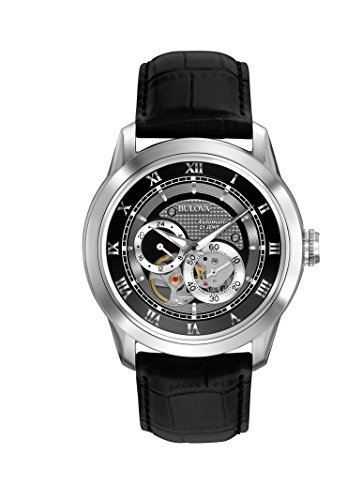
Choosing a reliable timepiece involves more than just picking a brand. Consider the movement type: mechanical or quartz. Mechanical movements showcase craftsmanship but require regular winding. Quartz offers precision and low maintenance, making it ideal for daily wear.
Material significantly impacts durability and style. Stainless steel is a common choice, providing resilience, while titanium is lighter and hypoallergenic. Leather straps offer classic elegance but demand care to prolong their lifespan. Meanwhile, ceramic presents a scratch-resistant alternative.


Water resistance ratings are crucial for those engaging in aquatic activities. A rating of 30 meters is suitable for splashes, while 100 meters allows for swimming, and 200 meters or more is ideal for diving. Monitor the crown and caseback’s quality, as these components affect overall water resistance.
The glass type protects the dial and should be suitable for the intended use. Sapphire crystal stands out for its scratch resistance, whereas mineral glass can be more prone to scratches yet costs less. Make sure to assess the style–whether casual, sporty, or formal–contributing to how well it complements your wardrobe.
Insights on Timepieces
Select pieces with a reliable movement; automatic and quartz mechanisms each have unique advantages. Automatic timekeepers use kinetic energy from wrist movements, while quartz relies on battery power, known for accuracy.
Consider materials for durability and aesthetics. Stainless steel offers resilience, while titanium is lighter and hypoallergenic. Precious metals like gold or platinum symbolize luxury, but may require more care.
Size plays a role in comfort and style. Men’s models generally range from 38mm to 50mm, while choices for women often span 28mm to 42mm. Ensure that the size compliments your wrist and personal taste.
Straps affect functionality and look. Leather straps provide a classic feel, while metal bracelets are robust. NATO and rubber options add versatility for sporty settings. Choose based on occasion and personal style.
Research brands’ reputations and histories. Heritage brands often showcase craftsmanship, while newer companies may push innovation. Assess warranty conditions and customer service policies for your future peace of mind.
Understanding Different Watch Movements
Prioritize learning about three primary movements: quartz, mechanical, and automatic. Each offers distinct advantages and characteristics that can influence your choice.
- Quartz: Powered by a battery, quartz movements are known for accuracy and minimal maintenance. They can gain or lose seconds only a few times a year, making them reliable for everyday use.
- Mechanical: This type relies on a complex system of gears and springs. Manual winding is necessary, appealing to purists who appreciate craftsmanship. These timepieces are less accurate than quartz but often appreciated for their artistry.
- Automatic: A subtype of mechanical movement, automatic relies on wrist motion for winding. This eliminates the need for regular winding if worn consistently. It combines convenience with traditional watchmaking elegance.
Consider your lifestyle when selecting. Quartz suits active individuals, while enthusiasts may prefer the intricacies of mechanical or automatic options.
Assessing durability is crucial. Quartz often fares better in harsh conditions, while mechanical movements may extend lifespan with proper care.
Evaluate the aesthetics as well; mechanical and automatic models frequently showcase intricate workings through transparent backs, enhancing visual appeal.
Price points widely vary. Generally, quartz remains budget-friendly, while well-crafted mechanical and automatic pieces may require a higher investment.
Ultimately, understanding these differences empowers informed decisions tailored to personal preferences and requirements.
Choosing the Right Timepiece for Your Lifestyle
Select a model that reflects your daily habits. For active lifestyles, consider durable sports variants made from robust materials like titanium or stainless steel, featuring water resistance and shockproof capabilities.
If your routine includes formal engagements, opt for classic designs with leather straps and minimalist dials, which can enhance any suit or formal attire. Brands like Omega or Longines offer elegance without compromising quality.
For outdoor enthusiasts, select timepieces with advanced features such as altimeters, barometers, and GPS functionalities. Garmin and Suunto specialize in robust, feature-rich designs suited for hiking and trekking.
If fashion is your priority, trend-driven brands like Fossil or Michael Kors offer stylish options that complement casual wear while keeping you on schedule.
Your budget can also influence your decision. Automatic and quartz movements vary in price; high-end Swiss brands can be an investment, while reliable Japanese manufacturers offer quality at lower price points.
Finally, consider the size of the case and the fit on your wrist. A timepiece should feel comfortable–neither too loose nor too tight. Trying on different sizes will help determine what suits you best.
How to Properly Care for Your Timepiece
Regular maintenance is vital for prolonging the life of any timekeeping device. To prevent unnecessary damage, store it in a cool, dry place, away from direct sunlight.
Cleaning Your Timepiece
For a standard cleaning routine, use a soft microfiber cloth to gently wipe the surface. Avoid harsh chemicals and cleaners, as they can damage the finish. For metal bands, a toothbrush and mild soap can effectively remove grime.
Servicing and Battery Replacement
Automated movements require servicing every three to five years, while quartz variants typically need a battery swap every two to three years. Keep track of these intervals to ensure optimal function.
| Type | Cleaning Frequency | Servicing Interval |
|---|---|---|
| Quartz | Monthly | Every 2-3 years |
| Automatic | Monthly | Every 3-5 years |
| Mechanical | Monthly | Every 3-5 years |
Avoid exposing your device to extreme temperatures and magnetic fields, as these can disrupt the mechanism. Seek professional help for any irregularities in performance to prevent further complications.
Identifying Authenticity in Luxury Timepieces
Check the weight. Authentic luxury pieces often possess a substantial heft due to high-quality materials used in their construction. If a timepiece feels unusually light, it may indicate a counterfeit.
Examine the Serial Number
Each genuine watch has a unique serial number, typically engraved on the case or between the lugs. Cross-reference this number with the manufacturer’s database for verification.
Analyze the Movement
Inspect the movement through a transparent case back or by consulting a professional. Originals often showcase intricate details and a smooth sweeping motion, while fakes may exhibit ticks or poor craftsmanship.
Research brand-specific features. Each manufacturer has unique hallmarks, logos, or engravings that can help distinguish a genuine item. Familiarize yourself with these characteristics prior to any purchase.
Seek documentation. Authentic pieces usually come with original paperwork, including warranty cards and purchase receipts. Absence of these documents can be a red flag.
Consult experts or authorized retailers for appraisal. When in doubt, professional verification provides peace of mind, ensuring that investments are secure and genuine.
Key Features to Look for in Smartwatches
Begin with compatibility; ensure the device pairs seamlessly with your smartphone. Check operating system support for both iOS and Android to maximize functionality.
Battery Life
Focus on longevity–aim for a smartwatch that lasts at least 24 hours on a single charge, especially if you plan to use health-tracking features extensively. Some models offer power-saving modes to extend usage further.
Health and Fitness Tracking
Examine sensor capabilities for heart rate monitoring, sleep tracking, GPS location, and activity logging. Advanced options may include blood oxygen saturation and ECG functionalities. Prioritize accuracy and reliability in readings.
Display quality matters. Opt for high-resolution screens with good visibility in sunlight. Touch responsiveness and customizable watch faces enhance user experience. Waterproof ratings are also critical for durability during workouts.
Consider app availability. A solid selection of compatible applications provides enhanced usability–from fitness to productivity tools. Review user interface design; simplicity and ease of navigation can significantly improve daily interactions.
Finally, evaluate style. Choose a model that fits your aesthetic preferences while being comfortable for long wear. Interchangeable bands add versatility, allowing personalization in fashion.


