
 Ethan Cole

For optimal convenience and comfort, position your timepiece on the non-dominant arm. A significant majority of individuals prefer placing their accessories on the left side, particularly if they are right-handed, as this minimizes interference with daily tasks.
This practice stems from both practicality and tradition. With the primary hand engaged in various activities, the secondary arm remains more available for easy glances at the time. Studies indicate that nearly 90% of right-handed people adopt this style, enhancing functionality while maintaining a classic aesthetic.

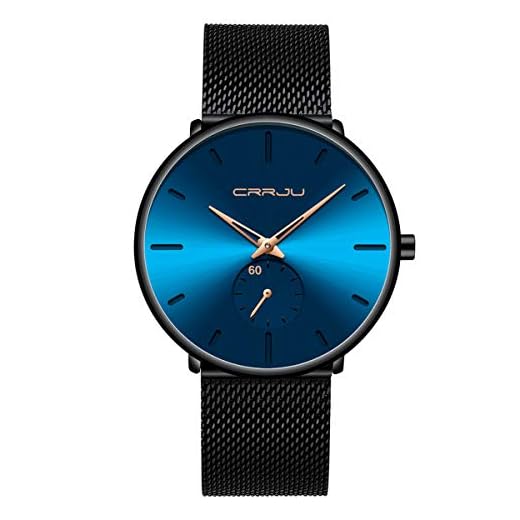

Additionally, the historical background reveals that early models were cumbersome and often required winding. Placement on the non-dominant side permitted smoother wearing and operation without hindrance, a practice that has endured and remains prevalent in contemporary fashion choices.
Reasons for Choosing the Left Side for Timepieces
For optimal comfort and practicality, consider positioning timekeeping devices on the less dominant side. This habit dates back to historical preferences and usability factors.
Most individuals favor their right hand for tasks requiring precision, leading to the choice of the left side for wearing accessories. This placement minimizes the risk of damage during daily activities.
Historical and Cultural Influences
Traditionally, timepieces on the non-dominant arm were popularized by military practices. Soldiers often wore their timepieces on the left to facilitate easier reading while aiming firearms, thus reinforcing this custom in broader society.
Current Factors in Device Selection
Modern designs often reflect this trend, accommodating right-handed users with ease. Additionally, advancements in materials and clasp systems have made wearing on the left side more secure and comfortable.
The Historical Context of Wearing Timepieces on the Left
Initially, practicalities influenced the placement of timepieces for functionality. Most individuals are right-handed, making the left arm more accessible for quick glances at their timepiece. This convenience suited daily tasks and activities, allowing effortless readability while performing various duties.
Military factors also played a significant role. Soldiers often wore their devices on the left, avoiding interference with the dominant hand for weapon handling. This habit became ingrained and helped establish a widespread norm among civilians after the wars, as many soldiers transitioned back to civilian life, carrying this practice with them.
In the early 20th century, fashion trends began to influence the conventions of accessory placement. Designers and watchmakers promoted the left arm as the preferred side for showcasing these accessories, aligning with the prevailing aesthetics of the time. This further embedded the left-side preference in popular culture, creating a lasting legacy.
Subsequently, advancements in technology introduced wearable devices with additional functionalities, maintaining the inclination towards the left arm. The original influences persist, and this trend has now become a recognized tradition, melding history with modern practices in timekeeping.
How Handedness Influences Watch Placement
Individuals with dominant right hands frequently opt for positioning timepieces on the left arm, facilitating easier access to the device. This practice minimizes the risk of accidental damage during daily tasks, as the right hand engages in most activities. For left-handed users, placing the accessory on the right often enhances functionality, granting them optimal control and visibility.
The prevalence of left-side placements can also be traced to the natural flow of arm movements. Right-handed individuals commonly experience less interference with their dominant hand by having the clock on the opposite side. Conversely, left-handed people may find their timepieces obstructed when worn on the left due to household or work engagements.
Moreover, the presence of buttons or crowns on many timepieces plays a role in deciding placement. Right-handers typically adjust settings with their dominant hand, making a left-side position more practical. Many manufacturers design with this in mind, ensuring that operations remain intuitive for the majority of users.
Ultimately, handedness remains a significant factor, influencing not only personal preference but also functionality and longevity of the accessory. Awareness of this relationship can guide individuals in making informed choices regarding their timekeeping habits.
Comfort and Practicality of Left-Wrist Wear
Selecting the dominant arm for accessory placement enhances usability and minimizes discomfort. For the majority who favor their right hand for tasks, positioning timepieces on the opposite arm allows for unrestricted movement during daily activities. This arrangement facilitates easier adjustments, particularly in the case of analog models, without the need to interrupt tasks or contort the wrist.
Many observe that timepieces placed on the less dominant side diminish the likelihood of accidental contact with surfaces, which helps preserve both the item and the environment. This is particularly relevant in active professions or during strenuous physical activities where wrist movements are amplified. A left-side placement reduces wear and tear, extending the lifespan of the accessory.
| Advantages of Left-side Placement | Details |
|---|---|
| Freedom of Movement | Less interference with right-hand tasks, allowing for smooth use of tools and devices. |
| Protection | Decreases chances of impact with objects, minimizing scratches and damage. |
| Ease of Adjustment | Facilitates effortless time setting and adjustment without obstructing right-hand functionality. |
| Comfort | Balances the load on the arm, preventing strain or discomfort during prolonged wear. |
Evaluating individual routines and preferences confirms that positioning devices on the left side aligns with optimal comfort and function for many. This choice harmonizes with ergonomic principles, contributing to a practical approach to everyday accessory use.
Fashion Trends and Social Norms Surrounding Left-Wrist Use
Contemporary fashion and societal preferences frequently highlight the left arm for timepieces, establishing a recognizable norm. This inclination is fueled by a blend of practicality and style.
Key reasons influencing this practice include:
- Aesthetic Appeal: The positioning on the left side harmonizes well with clothing designs, allowing for a seamless look, especially with fitted shirts or jackets.
- Social Signaling: Wearing accessories on the left can convey a certain status or trendiness, aligning with cultural expectations within various social circles.
- Gender Norms: Traditionally, the left side has become associated with femininity in accessorizing, affecting how accessories are marketed and perceived.
- Influence of Celebrities: Public figures often wear their jewelry on the left, creating ripple effects in public behavior and fashion choices.
- Cultural Traditions: In some cultures, specific beliefs or practices encourage the use of particular sides for adornments, reinforcing the left as a dominant choice.
Fashion shows and social media amplify these trends, with influencers and designers showcasing the favored placement, further entrenching the left-side preference. Observing iconic brands and their advertising strategies reveals a consistent emphasis on the left side as part of their brand image.
Ultimately, trends surrounding arm ornamentation are shaped by a multitude of factors, reinforcing the left side’s dominance in fashion and social contexts.
Modern Alternatives and Changing Habits in Watch Wearing
Smart bands and fitness trackers have become popular choices, often replacing traditional timepieces. These devices provide not just timekeeping but also health tracking features, making them appealing for today’s active lifestyles. For those who prefer style over functionality, minimalist designs in jewelry pieces have emerged, turning time measurement into an accessory rather than a necessity.
Technological Integration
The advent of smart technology has transformed how individuals perceive timepieces. These gadgets sync with smartphones, offering notifications and applications, catering to a tech-savvy audience. This shift raises questions about the relevance of wearing a classic device without the added functionalities of modern tech.
Changing Fashion Statements
Social norms influence preferences, shifting the focus from practicality to personalization. Younger generations often select styles that complement their attire, leading to an increased demand for customizable options. This shift reflects broader cultural trends where individual expression reigns supreme over traditional conventions.
Collectively, these developments underscore the evolving approach to timekeeping accessories, encouraging exploration beyond conventional usage patterns.
FAQ:
Why is it common to wear a wristwatch on the left wrist?
The practice of wearing a wristwatch on the left wrist is largely attributed to the fact that most people are right-handed. This makes the left wrist a more practical choice for wearing a watch, as it minimizes the risk of damage when using the dominant hand for daily tasks. Additionally, placing the watch on the left wrist often allows for easier viewing, as the watch can be turned towards the face without the interference of the hand movements.
Are there any cultural or historical reasons behind wearing watches on the left wrist?
Historically, the trend of wearing watches on the left wrist traces back to military roots. Soldiers and pilots found it practical to wear their timepieces on the left wrist, as it allowed them to easily check the time without removing their gloves or interfering with their dominant hand’s movements. Over time, this practice became a norm and continued as wristwatches gained popularity in civilian life. Additionally, in some cultures, wearing a watch on the left wrist is simply seen as a tradition that has been passed down through generations.
Can left-handed people wear their watches on the right wrist instead?
Yes, left-handed individuals often prefer wearing their watches on the right wrist for comfort and accessibility. Just like right-handed people find wearing a watch on their left wrist practical, left-handed people may encounter the same benefits by wearing their timepieces on their right. Ultimately, the choice of wrist is personal and should align with the comfort and lifestyle of the wearer, regardless of handedness. Some brands even design watches that allow for customization based on which wrist they are worn on.



