
 Ethan Cole

Choosing the non-dominant side for timepieces often stems from practicality. For most individuals, this positioning allows for easier adjustment and reading without hindrance from daily activities. It minimizes the risk of accidental bumps against surfaces, particularly for those who use their dominant hand frequently.
Furthermore, cultural norms and historical influences play a significant role in this preference. Many historical accounts suggest that alignment with clothing and accessory styles has contributed to the convention of placing timepieces on the non-dominant side. This has evolved into a widespread practice, uniting individuals across various backgrounds.
Another aspect relates to comfort. Positioning these accessories on the non-dominant side tends to be more comfortable for a majority, as the frequent motion of the dominant hand can lead to discomfort over time. Adopting this method can enhance the overall wearing experience, allowing for a seamless integration into one’s daily routine.
Why Do Men Prefer the Left Hand for Timepieces?
A prevalent choice among individuals is to don a timepiece on the left hand due to practicality and comfort. This approach aligns with the majority of people being right-handed, allowing for seamless adjustment and interaction with the device. Wearing a piece on the left side enables easier access to features like resetting, winding, or setting the time without disrupting activities.


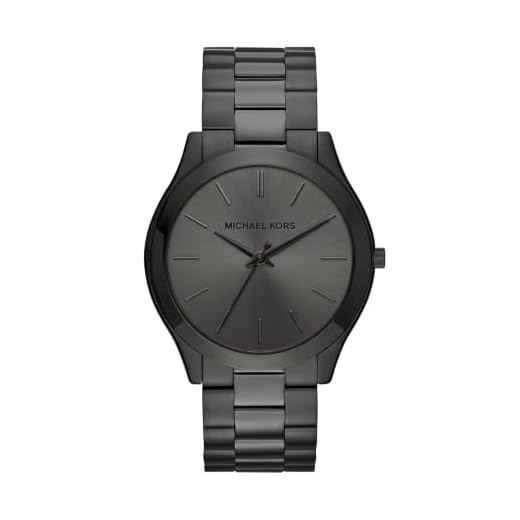
Furthermore, the physical placement minimizes the risk of damage. The dominant hand, often engaged in various tasks, poses a higher chance of impacting the device, whereas the non-dominant side remains more shielded from hazards. This choice is not arbitrary but rather grounded in convenience and functionality, catering to the user’s daily life demands.
Historical Preferences and Fashion Trends
Traditionally, many watchmakers designed pieces primarily for left-side display. This historical inclination has shaped consumer habits, reinforcing the left hand’s position as the standard for timekeeping accessories. Influential style icons have also contributed to this trend, further embedding it in mainstream culture.
In contemporary contexts, brands often cater to this preference by crafting models that offer better visibility and aesthetic appeal when positioned on the left. As a result, it’s become a fashion norm that adheres to both functional and stylistic aspirations.
Historical Reasons Behind Left Wrist Watch Wearing
The preference for placement on the left has historical roots stemming from practicality and societal norms. Early timepieces were bulky and often wound by hand, necessitating a design that prioritized convenience and ease of access.
Military Influence
Historically, military personnel contributed significantly to this trend. Soldiers, typically right-handed, found it more manageable to check time without hindrance to their dominant hand. Fastening a timepiece on the left ensured it remained unobstructed during operations, enhancing both utility and quick access.
Craftsmanship and Design
The development of wrist devices also considered mechanical designs. Many mechanisms required winding, which was typically done with the right hand. Thus, placing the device on the left allowed for simpler adjustments while minimizing risk to delicate components.
- Engagement in right-handed tasks gives a functional advantage.
- Mechanical considerations promoted left-side orientation.
- Tradition carried through generations influenced societal standards.
These factors combined have ingrained a left-side preference for wearing timepieces. As design and manufacturing evolved, this practice remained, aligning with cultural expectations and historical precedents.
Practical Benefits of Adorning a Timepiece on the Left Hand
Positioning a timekeeping device on the left side offers numerous practical advantages. Firstly, for individuals who are right-handed, this configuration minimizes the likelihood of scratching or damaging the dial during daily tasks. The left wrist naturally becomes less engaged in activities involving the dominant hand, thus preserving the finish of the accessory.
Another advantage relates to comfort and ease of access. Many find it simpler to glance at their watch when it is on the non-dominant arm, especially during interactions, such as typing or writing, which predominantly involve the stronger limb. This placement allows for quick time checks without disrupting the flow of tasks.
Compatibility with Considerations
Additionally, certain styles and functionalities are better suited for the left arm. For example, timepieces with intricate mechanisms or additional features, such as chronographs and complications, often present their crowns oriented for easier operation when worn this way. This is particularly beneficial for mechanical models that require occasional winding or adjustment.
Societal Norms and Practicality
Many mainstream habits reinforce this orientation, with most designs catering to left-sided wear. Manufacturers frequently account for this when creating products, ensuring that features are accessible and legible in this placement. Thus, aligning personal style with practical benefits fosters a seamless experience.
Influence of Watch Mechanism Orientation
The orientation of a timepiece’s mechanism plays a significant role in the user’s experience. For optimal functionality, many choose to position the timekeeping device on the non-dominant side. This choice minimizes the risk of damage while ensuring convenient access for checking the time.
A majority of mechanical designs, including automatic movements, are fabricated with specific orientations in mind. By engaging the crown easily, the wearer can wind the watch or adjust settings without awkward hand movements. When positioned on the dominant side, the leverage is naturally reduced, making adjustments more cumbersome.
The layout also affects reading ease. With a glance, individuals can quickly capture the time, reducing the necessity for pronounced wrist movements. Additionally, certain complications, such as chronographs or date displays, can be accessed more fluidly when the device is placed appropriately.
User comfort is enhanced with well-designed timepieces. A left-side placement often complements a more natural grasp of utensils or tools during daily activities, preventing interference with hand movements. Ergonomics dictate that timepieces align for maximum functionality, leading to a smoother interaction between the device and user tasks.
Cultural Norms and Fashion Trends
In numerous cultures, the placement of timepieces on the non-dominant side has been a standard choice, attributed to the influence of practicality and social customs. This trend often stems from an early association of left-side adornments with formality and etiquette, particularly in Western societies.
From a fashion perspective, accessory design frequently leans towards this arrangement, with many brands tailoring their products for ease of access and visibility on the left side. A visually appealing display balances out the overall aesthetic, contributing to an individual’s style while allowing for a seamless interaction with other daily wearables.
Social Status and Personal Expression
The orientation of timekeepers also signifies social standing, particularly with luxury models. Wearing a distinguished piece on the left adds an element of prestige and serves as a subtle statement about one’s identity. Limited editions and unique styles often become symbols of personal taste, further establishing cultural significance in their use.
Global Variations
While a left-side preference is common in many regions, variations exist globally. In some cultures, different practices emerge based on local traditions or historical events. For instance, certain communities may prefer the right side due to unique customary beliefs, showcasing a rich tapestry of personal and collective identities tied to the use of timekeeping instruments.
Left-Handed vs Right-Handed Preferences
For right-handed individuals, placing a timepiece on the opposite limb minimizes discomfort while performing everyday tasks. The majority of mechanisms are designed with this in mind, allowing for easier access and manipulation of functions with the dominant hand.
Comfort and Accessibility
Right-handed users often find it more comfortable to navigate life without interference from a timepiece on their dominant side. This setup provides unhindered use of tools, including writing instruments and mobile devices. The positioning also prevents scratches and damage to the surface of the timekeeping device, as it is less likely to encounter incidental impacts during daily activities.
Left-Handed Insights
Conversely, left-handed wearers may opt for the opposite side for functionality, familiarizing themselves with the design and features of contemporary timepieces. Some models are specifically crafted for left-handed operation, catering to the unique preferences of this demographic. Adjusting to left-sided usage can enhance convenience, aligning with the individual’s natural inclinations.
The variety in preferences highlights a broader trend within fashion and accessory design, prompting manufacturers to take ergonomic needs into account when crafting timepieces, ensuring suitability for diverse users.
FAQ:
Why do most men prefer to wear watches on their left wrist?
Many men choose to wear watches on their left wrist primarily due to practicality and comfort. Most people are right-handed, and wearing a watch on the left wrist makes it easier to check the time with the right hand. Additionally, this positioning helps to avoid damage to the watch while writing or engaging in other tasks that involve the dominant hand. Another reason is that the crown of the watch, which is used for winding and setting the time, is typically located on the right side. Wearing the watch on the left wrist allows for easier access to adjust it.
Are there any cultural or historical reasons behind wearing watches on the left wrist?
Culturally and historically, the tradition of wearing watches on the left wrist dates back to the early days of wristwatches. Initially, wristwatches were primarily designed for women, while men typically carried pocket watches. As wristwatches gained popularity among men, they were often worn on the left wrist, aligning with the right-handed majority. In military settings, soldiers commonly wore their watches on the left for convenience while using their right hand for weapons or other tasks. Over time, this practice became a standard, reinforcing the habit across generations. Today, while many men still prefer the left wrist, some also choose the right, showcasing personal style and preference.


