Ethan Cole

Investing in timepieces often stems from a momentary spark of desire rather than a calculated decision. Research shows that approximately 60% of consumers acquire accessories on the spur of the moment, driven by aesthetics, brand allure, or social influence.
For buyers seeking to combat impulse tendencies, creating a defined budget and establishing priority lists can be beneficial. Engaging with user reviews and exploring various options beforehand strengthens decision-making, reducing the likelihood of regrettable choices later on.


Consideration of your lifestyle and daily activities can guide appropriate selections. Do you require something for formal occasions, or a casual piece for everyday wear? Aligning your decision with personal needs reinforces the value of your acquisition and minimizes hasty buys.
Wrist Accessories as Spontaneous Choices
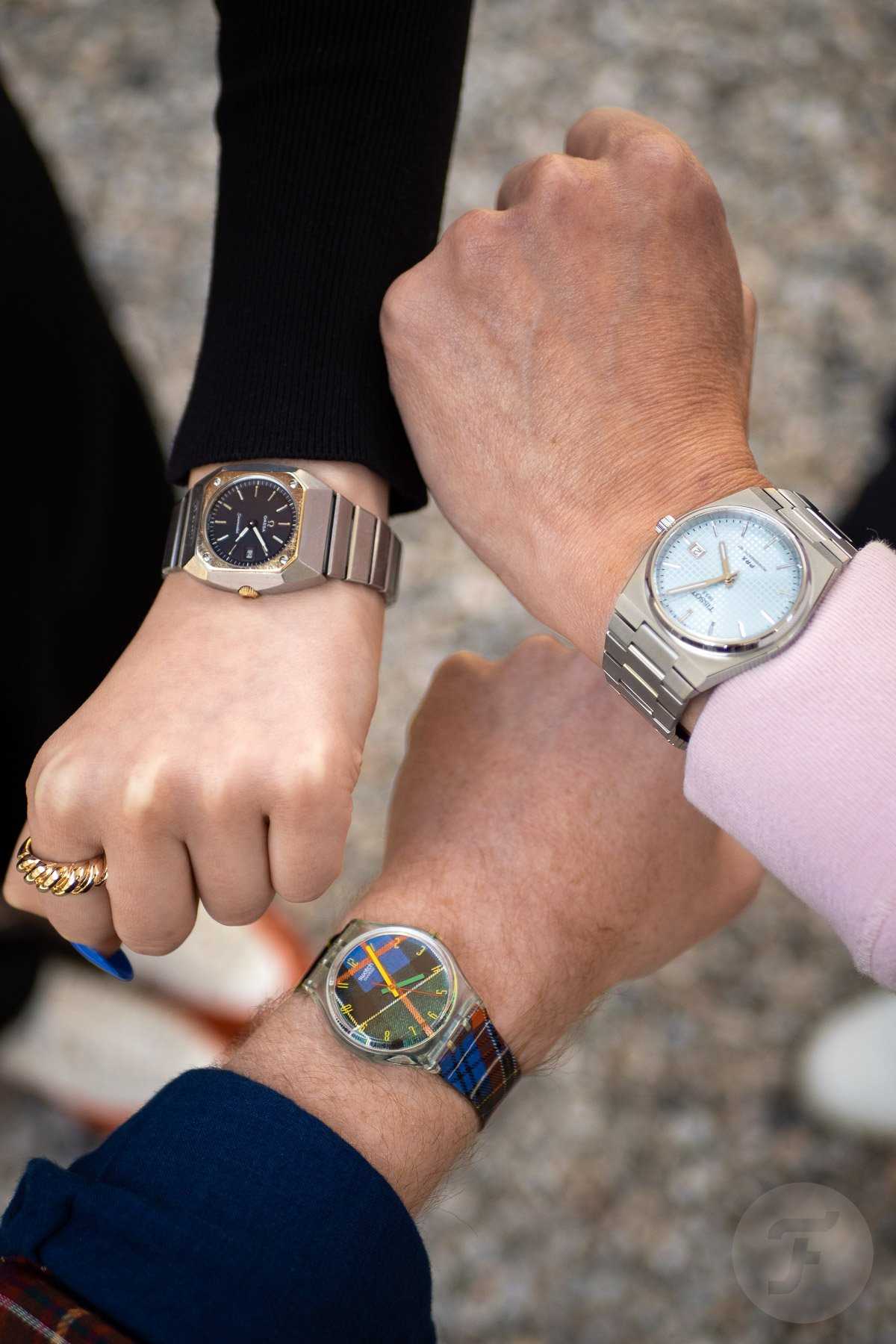
These timepieces often trigger unplanned decisions due to their allure and accessibility. When shoppers encounter a stunning design or limited edition, immediate attraction can lead to a rapid decision-making process, bypassing usual considerations such as budget or need.
Statistical insights reveal that approximately 60% of consumers report making unplanned acquisitions when shopping in luxury retail environments. This behavior is heightened when individuals perceive the item as a blend of practicality and status elevation.
In retail spaces, strategic placement of these items next to desirable accessories or within engaging displays increases the likelihood of spontaneous decision-making among shoppers. Brand storytelling through in-store experiences further enhances emotional connections, compelling individuals to act quickly.
Furthermore, social influence plays a pivotal role. Recommendations from peers, social media endorsements, and celebrity associations create a sense of urgency and desirability, nudging individuals towards hasty choices. Emphasizing exclusivity and time-limited offers can intensify this effect, resulting in immediate acquisitions.
For retailers, understanding the psychological triggers behind these impulses can pave the way for effective marketing strategies that capitalize on these moments, thus increasing overall sales in a targeted manner.
The Psychology Behind Buying a Timepiece
Acquiring a timekeeping device often stems from emotional triggers rather than mere necessity. The intersection of status, nostalgia, and personal expression significantly influences this behavior.
Emotional Connections
Timepieces frequently evoke memories or sentiments associated with special events. These can include:
- Gifts from family or friends, symbolizing love and connection.
- Milestones such as graduations, weddings, or promotions that commemorate personal achievements.
- Attachments to brands linked with cherished moments or aspirations.
Social Perception
Cultural influences play a critical role in shaping perceptions. A sophisticated or luxurious device often signals success and refinement. Factors to consider include:
- Peer recommendations and trends can create a desire to conform or stand out.
- Marketing strategies leverage celebrity endorsements and lifestyle imagery to enhance desirability.
- Craftsmanship and heritage associated with specific brands reinforce the perception of exclusivity.
Recognizing these psychological aspects can offer insights into consumer behavior and what drives individuals to invest in a fine timepiece.
Factors That Influence Spontaneous Watch Purchases
Marketing strategies play a pivotal role in driving sudden decisions regarding timepieces. Brands utilize limited-time offers and exclusive collections to capitalize on the fear of missing out, pushing consumers toward quick decisions.
Social Influences
The impact of peer pressure is significant. Having friends or family who appreciate fine timepieces can prompt an individual to seek similar items. Social media also amplifies this effect, with influencers showcasing popular models, shaping preferences, and encouraging on-the-spot acquisitions.
Emotional Trigger Points
Shopping can often be an emotional experience. Celebrations, achievements, or mere mood boosts can lead individuals to treat themselves. Timepieces often symbolize status or accomplishments, making them attractive as spontaneous gifts to oneself.
Environment plays a role as well. Well-designed retail spaces create an inviting atmosphere, often leading to unplanned transactions. The sensory experiences of touch and aesthetics can further push individuals toward a decision.
Lastly, unique features and innovative designs can catch attention unexpectedly. If a particular model resonates strongly with a buyer’s tastes, it may lead to a sudden, unplanned choice to own it.
Identifying Key Moments for Impulse Buying
Recognizing specific occasions can significantly enhance the likelihood of spontaneous acquisitions. Key scenarios include:
- Gift-Giving Events: Birthdays, anniversaries, and holidays often trigger a desire to purchase something special at the last minute.
- Sales and Promotions: Limited-time discounts often create a sense of urgency, encouraging consumers to act quickly.
- Social Influences: Peer pressure or seeing friends and family with luxury items can spark an unplanned desire for similar products.
- Special Occasions: Attending a wedding, graduation, or formal event may prompt individuals to buy something elegant on the spot.
- Seasonal Changes: Transitioning seasons can motivate consumers to refresh their accessory collection, leading to spur-of-the-moment choices.
Environmental Triggers
Environmental factors play a critical role in spontaneous buying actions:
- In-Store Displays: Eye-catching setups and strategic placements can captivate attention and lead to immediate decisions.
- Product Placement: Items positioned near checkout counters often entice customers to add them to their baskets at the last minute.
- Brand Ambassadors: Demonstrations or endorsements by influencers can create an urge to acquire new items impulsively.
Emotional Drivers
Emotions significantly influence unplanned acquisitions:
- Excitement: Feelings of exhilaration during events can drive individuals to indulge in luxury items.
- Stress Relief: Shopping may serve as a coping mechanism during difficult times, leading to spontaneous selections.
- Celebration: Achieving personal milestones often results in treating oneself or others with spontaneous buys.
Identifying these moments and triggers can guide marketers and retailers in creating strategies to capitalize on spontaneous spending habits. Understanding when and why consumers are more likely to make unplanned decisions allows for more effective targeting and advertising approaches.
The Role of Marketing in Watch Sales
Effective promotion significantly influences consumer choices in the timepiece market. Brands utilize strategic campaigns to create emotional connections, encouraging buyers to see these accessories as symbols of status and style rather than mere timekeepers.
Targeting Audiences
Understanding potential customers is crucial. Marketing efforts often focus on demographics such as age, income, and lifestyle preferences. Tailored advertisements resonate with specific groups, enhancing the likelihood of unplanned acquisitions.
| Demographic Group | Preferred Messaging | Effective Channels |
|---|---|---|
| Young Professionals | Career advancement, luxury | Social Media, Influencer Collaborations |
| Affluent Consumers | Exclusivity, craftsmanship | Luxury Magazines, Private Events |
| Fashion Enthusiasts | Trends, style statements | Fashion Shows, Online Platforms |
Creating Urgency
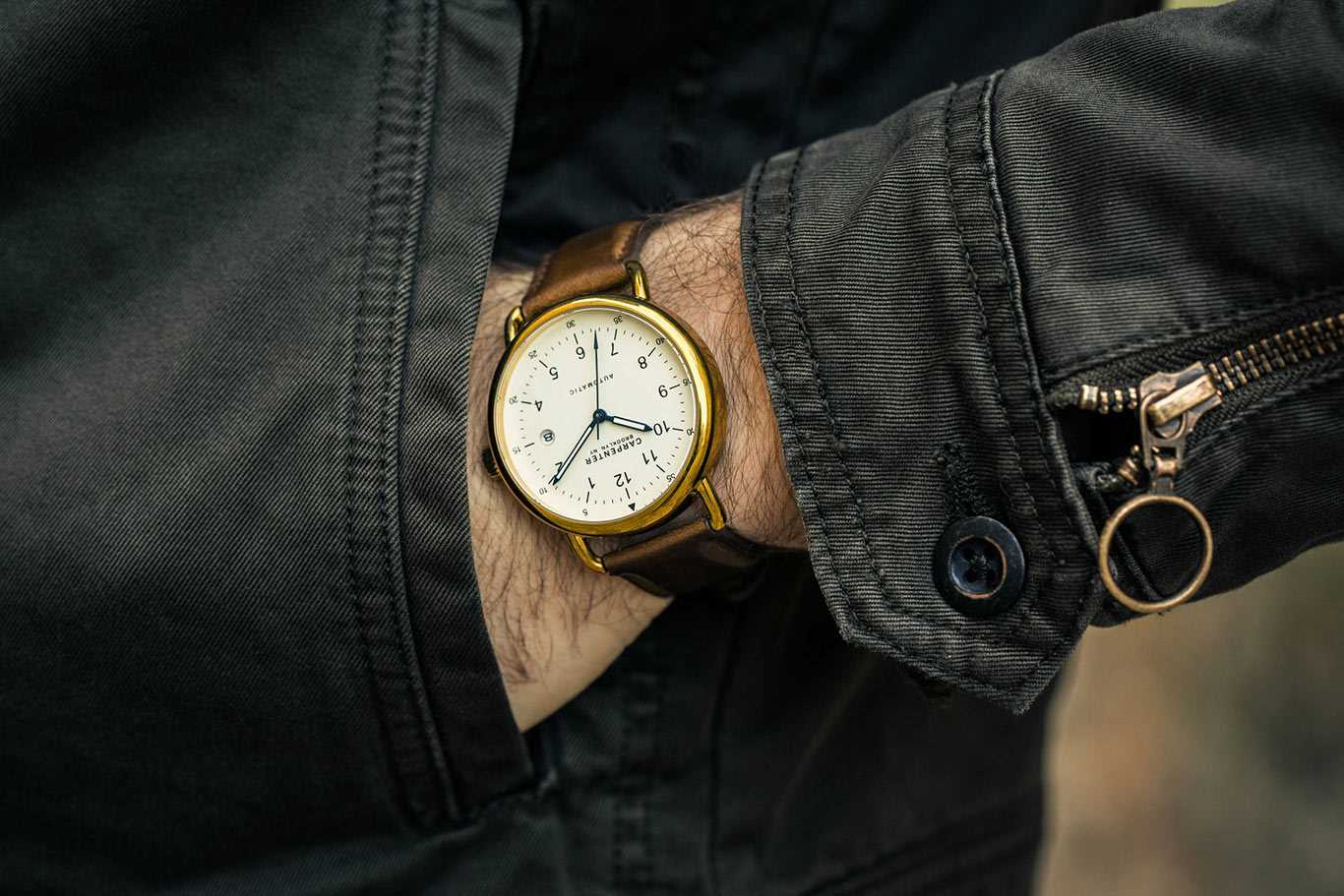
Highlighting limited editions or time-sensitive promotions stirs a sense of urgency among buyers. Scarcity tactics can effectively drive swift decisions, leaning into the psychological aspects of ownership.
Incorporating storytelling into marketing strategies further enhances consumer engagement, allowing potential buyers to envision themselves in scenarios where the accessory plays a significant role in their lives. Such narratives can transform a simple accessory into a highly desired item.
Strategies to Avoid Impulse Buying of Timepieces
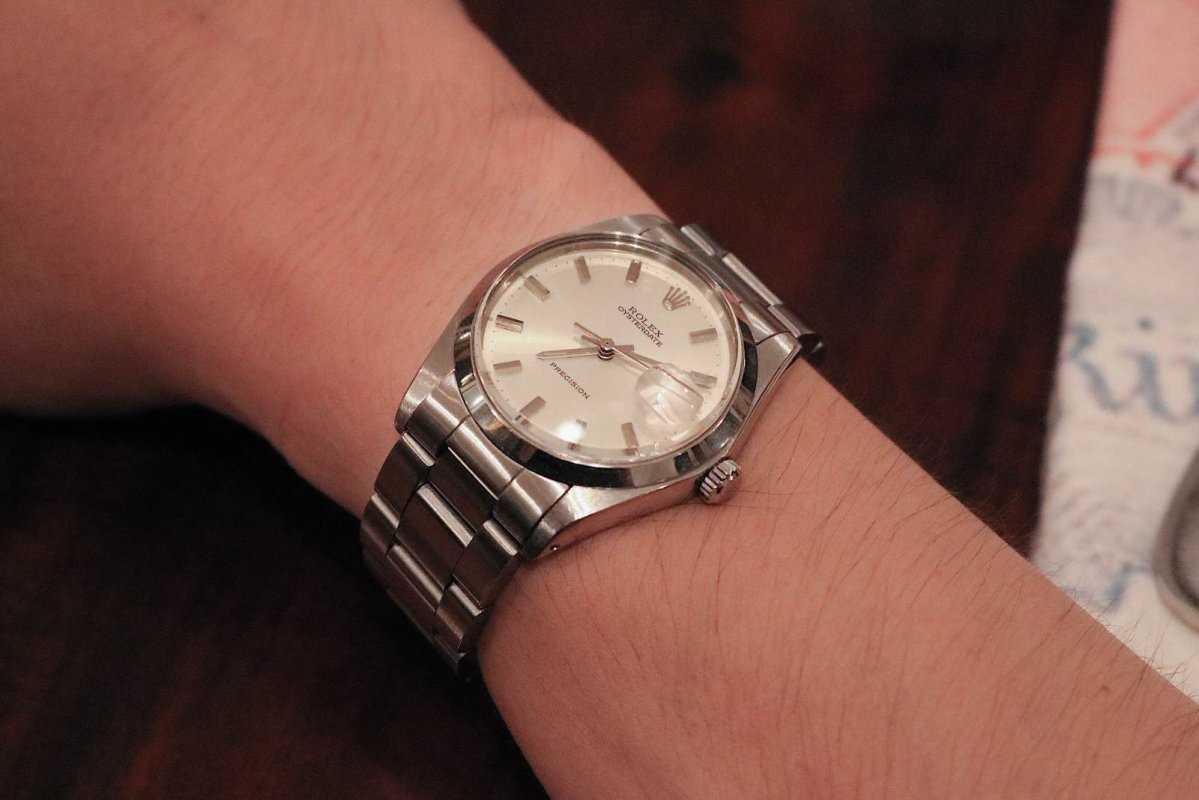
Establish a strict budget before browsing. Set clear financial limits that reflect what you can comfortably afford, preventing spontaneous choices. This practice encourages mindful spending and prioritization of needs over wants.
Prioritize research before considering acquisition. Familiarize yourself with various brands, models, and price ranges. Understanding the market helps distinguish between necessities and fleeting attractions, fostering informed decisions.
Utilize a waiting period for any desired item. Implement a rule that requires waiting at least 24 hours before acting on the urge to acquire. This pause allows time for reflection on whether the item is truly needed.
Identify triggers that lead to impulsive decisions. Monitor emotions or situations that drive desire for new acquisitions, such as stress or social settings. By recognizing these patterns, it becomes easier to navigate situations without giving in.
Avoid environments that encourage spontaneous buying. Refrain from visiting stores or online platforms that showcase luxurious timepieces unless genuinely intending to shop. Steering clear of tempting locations reduces the likelihood of unplanned acquisitions.
Reflect on past acquisitions to understand motivations behind choices. Analyze whether previous timepieces were genuinely appreciated or regretted. Learning from past experiences can guide future decisions and build a more intentional approach.
Engage in alternative activities when feeling the urge to shop. Pursue hobbies or interests that divert attention from buying behavior. Building fulfilling alternatives diminishes the appeal of unplanned purchases.
Consult with a trusted friend or advisor before making decisions. Sharing thoughts about a potential purchase can provide clarity and accountability. External perspectives may highlight reasons against acquiring something impulsively.